Patna: The Bihar government has increased spending limits for official vehicles used by ministers, judges and civil servants, citing rising costs in the automobile market and inflationary pressures.

Under the revised framework, ministers and High Court judges will now be eligible for vehicles costing up to Rs 37 lakh, up from the previous ceiling of Rs 30 lakh. The change marks a Rs 7 lakh increase for the highest tier of officeholders and signals a broader upgrade in official transport across the state administration.
Senior bureaucrats, including those at the rank of additional chief secretary, principal secretary and secretary, will also see their procurement limit rise—from Rs 25 lakh to Rs 30 lakh—bringing them closer to the top category in terms of vehicle entitlement.

At the district level, the cap for district magistrates and principal district and sessions judges has been raised from Rs 20 lakh to Rs 22 lakh. Superintendents of police will now be able to procure vehicles worth up to Rs 18 lakh, compared with the earlier limit of Rs 16 lakh.
The revised policy extends to more junior officials as well. Officers entitled to government vehicles in lower administrative tiers will now have a ceiling of Rs 16 lakh, an increase from Rs 14 lakh. The government said the updated limits include the full on-road cost of vehicles and associated expenses.
Officials said the decision reflects current market prices and is intended to ensure safer and more modern transport across departments. The move effectively creates a five-tier structure of procurement limits spanning senior leadership to entry-level administrative roles.
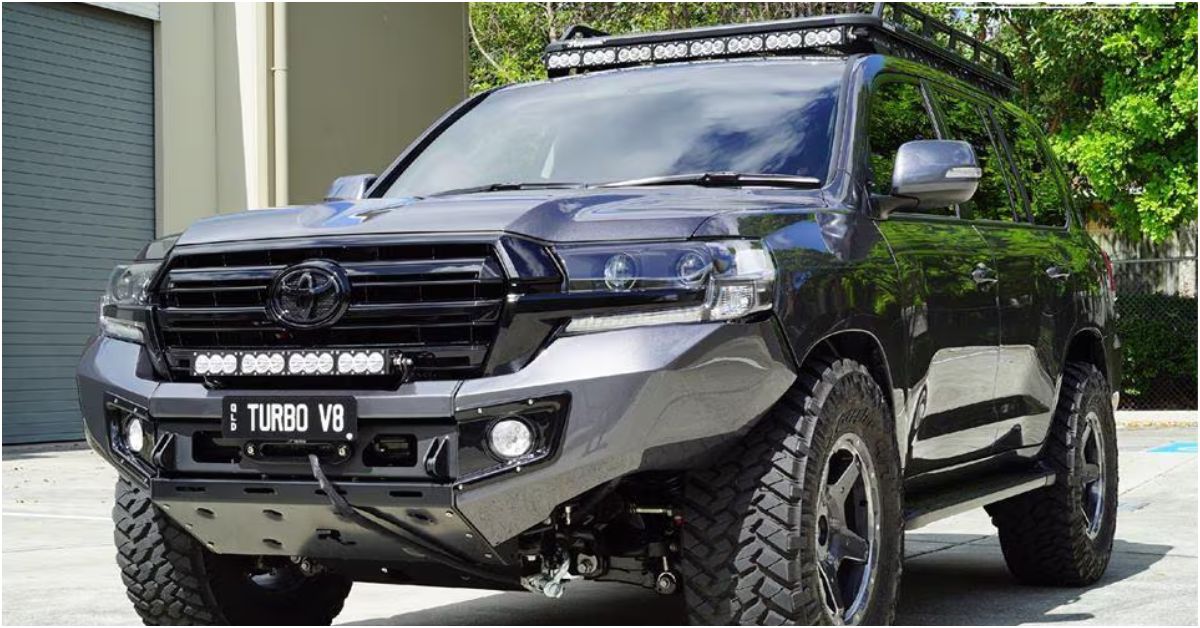
The change is likely to alter the composition of official fleets. Vehicles such as the Toyota Innova Crysta and Toyota Fortuner, long associated with government use, may be supplemented or replaced by newer and more premium models, including the Toyota Innova Hycross, Mahindra XUV700 and Tata Safari.
The government has framed the policy as a practical adjustment to market realities, though the expansion of spending on official transport may invite scrutiny over public expenditure priorities.