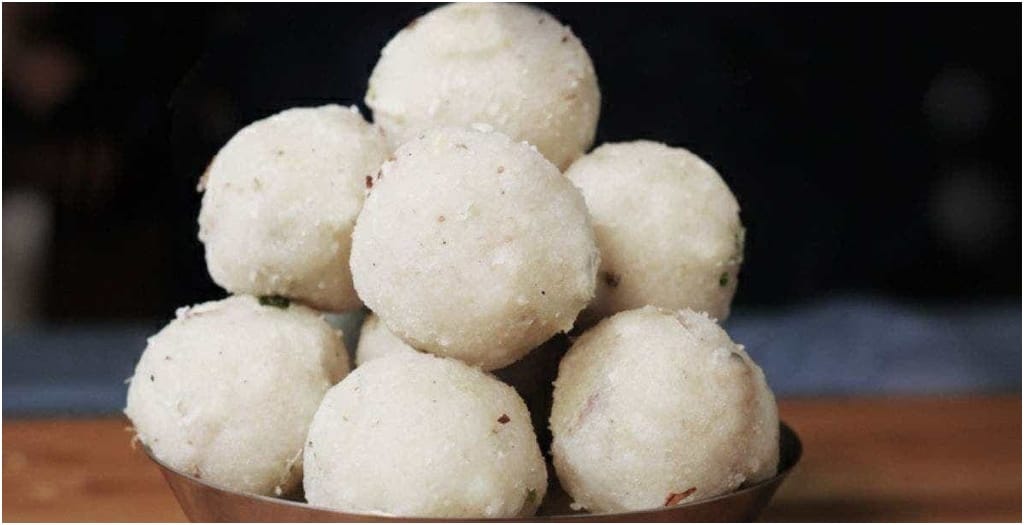
Patna: In many households across Bihar, Makar Sankranti is marked not only by ritual and prayer but also by the preparation of Kasar, a traditional sweet that has been passed down through generations. Made using everyday ingredients such as wheat flour, jaggery and ghee, the dish reflects the region’s long-standing relationship with seasonal produce and home-style cooking.

Kasar’s significance lies in its simplicity. Unlike elaborate festive desserts, it relies on basic pantry staples and slow cooking. Wheat flour is gently roasted in ghee until aromatic, forming the base of the dish. Grated khoya is then added, lending richness and softness, while jaggery provides natural sweetness and depth of flavour.
The preparation process is unhurried and deliberate, often done on a low flame while stirring continuously. Cardamom is mixed in for fragrance, and dry fruits may be added depending on family tradition or availability. The mixture is allowed to cool slightly before the jaggery is added, ensuring the sweetness blends evenly without overpowering the dish.

For many families, making Kasar is as much about continuity as it is about taste. Prepared during a festival that celebrates harvest and renewal, the sweet serves as a reminder of regional identity and shared culinary heritage. Even as food habits evolve, Kasar continues to find a place on Sankranti plates, offering comfort through familiarity.