Patna: Khadi and Village Industries are emerging as a vital force in Bihar’s rural economy, combining tradition with innovation to promote employment, indigenous products, and environmentally friendly production. The state government sees Khadi not only as a cultural symbol but also as a strategic tool for economic resilience and the goal of a self-reliant India.

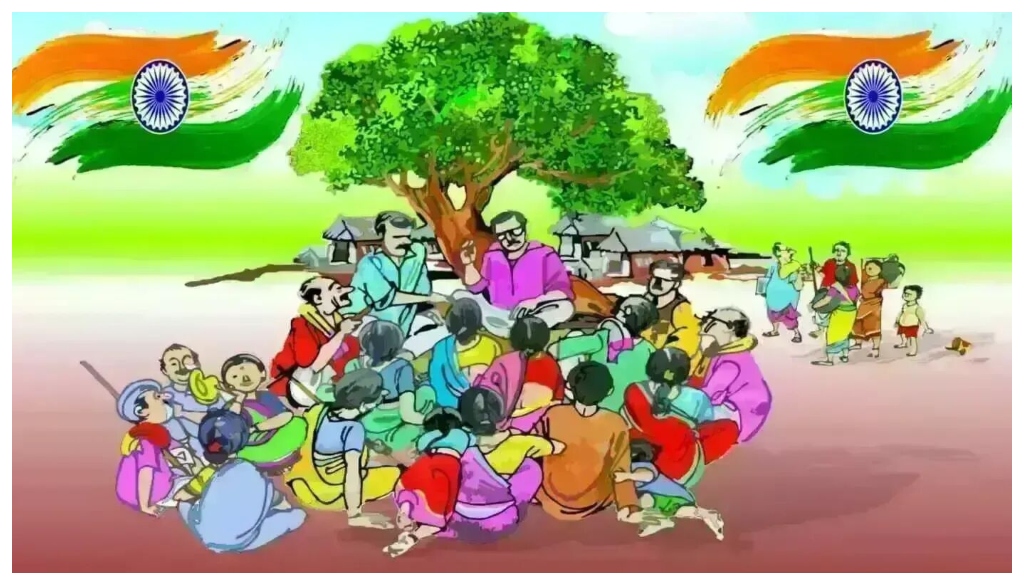
The sector’s objectives include creating jobs in rural areas, using local resources efficiently, fostering socio-economic development, and protecting the environment. Villagers are finding sustainable livelihood opportunities, transforming their communities into examples of self-reliance.
Under the Chief Minister Khadi and Village Industries Scheme, Khadi institutions benefit from initiatives such as the Khadi and Village Industries Training Scheme, state and national-level Khadi fairs, the Khadi Rivet Scheme, and programs for construction and renovation of Khadi outlets. Support also includes provision of charkhas, looms, woollen knitting machines, sewing machines, embroidery machines, working capital loans, and shed construction.

In the financial year 2023-24, Rs 30 lakh was sanctioned for Khadi Mall Patna, Khadi Bhawan Chhapra in Saran, and Khadi Bhawan Ara in Bhojpur under the outlet construction and renovation scheme. Between the financial year 2022-23 and now, 2,625 people have been trained through 105 training programmes.
Village Industries have also received significant support, with Rs 1 crore sanctioned in 2023-24 and Rs 10 lakh in 2024-25. Khadi fairs have been held regularly to showcase and promote products, with 12 major events in 2024-25 across Muzaffarpur, Bhagalpur, Gaya, Sonepur, Rajgir, Sitamarhi, Saharsa, Purnia, Banka, Aurangabad, Munger, and Jehanabad.
The government maintains that Khadi and Village Industries represent more than just heritage—they are a practical route to economic empowerment, rural development, and sustainable production.