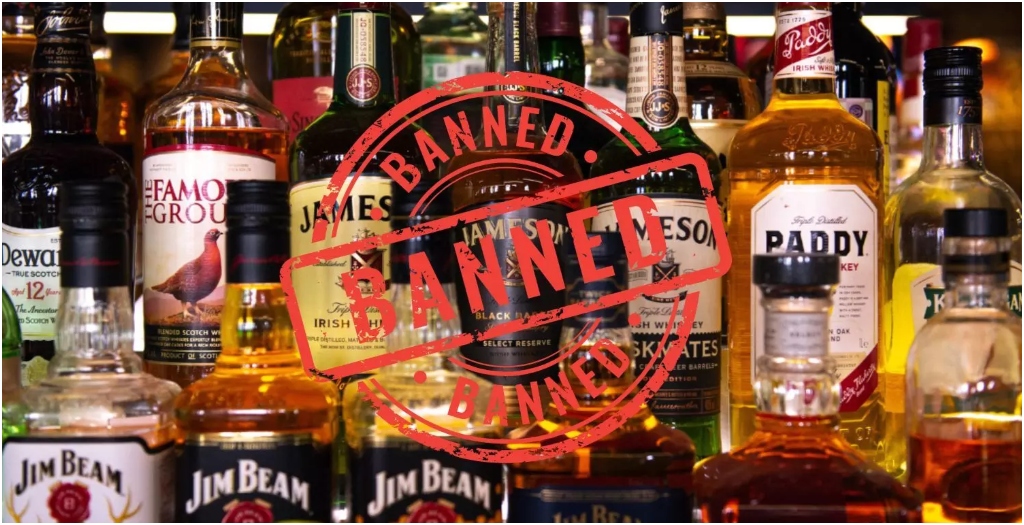
Patna : The liquor prohibition policy in Bihar, implemented in 2016 under Chief Minister Nitish Kumar, continues to spark intense debate as both its benefits and loopholes become increasingly visible on the ground. Introduced with the aim of improving social conditions, especially for women, the ban initially led to a noticeable decline in alcohol consumption across rural and urban areas. Many families reported improved financial stability, and there were fewer cases of domestic violence and public disturbances linked to drinking. The government has repeatedly defended the policy, arguing that it has contributed to better public health and safer communities.

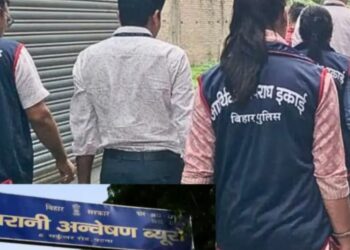
However, nearly a decade later, the ground reality presents a more complex picture. Despite strict enforcement, illegal liquor trade has flourished, with smuggling networks operating across state borders such as Uttar Pradesh, Jharkhand, and even Nepal. Law enforcement agencies regularly seize large quantities of illicit alcohol, but critics argue that these actions only scratch the surface of a much larger underground economy. The rise in consumption of spurious or locally brewed liquor has also led to several tragic incidents, raising serious concerns about public safety.
The ban has also placed a heavy burden on the legal and policing system. Thousands of arrests are made every year under prohibition laws, often involving small consumers rather than major suppliers, leading to allegations of selective enforcement. At the same time, the state has suffered significant revenue losses, as alcohol taxation once formed a major part of its income. Opposition leaders and policy analysts have increasingly questioned whether the ban has simply pushed alcohol consumption out of sight rather than eliminating it.

As political voices, call for a review or removal of the policy, the debate has entered a new phase. Supporters maintain that the social benefits outweigh the challenges, while critics highlight the growing nexus of illegal trade and administrative strain. The situation in Bihar today reflects a policy caught between its intended social impact and unintended economic and enforcement consequences, leaving its long-term future uncertain.