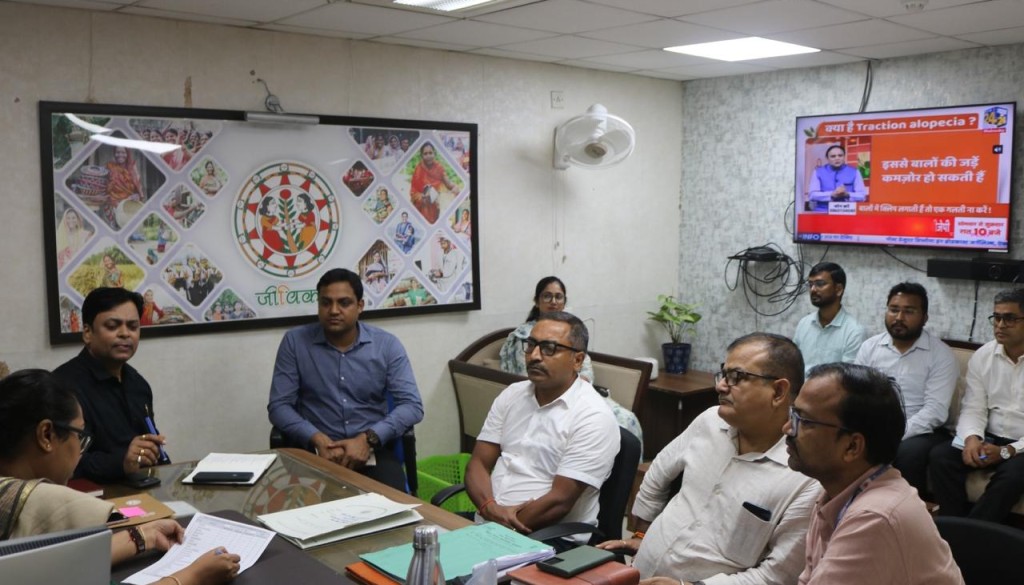
Patna: The Bihar government is seeking to strengthen rural women’s entrepreneurship by integrating the Mahatma Gandhi National Rural Employment Guarantee Act (MGNREGA) with the Jeevika Didi Haat initiative.

A meeting chaired by Abhilasha Kumari Sharma, MGNREGA Commissioner and Additional CEO of Jeevika, brought together senior officials from the Rural Development Department, representatives from INFUSION (Microsave Consulting, ISB), and other key stakeholders. The discussion focused on transforming rural haats, or markets, established under MGNREGA into women-led enterprise hubs under the ‘Jeevika Didi Haat’ model.


The initiative aims to provide women from self-help groups (SHGs) with platforms to market locally produced, nutritious food and handicrafts directly to consumers, eliminating middlemen and improving their income. Officials said the model would also enhance rural access to safe, organic, and locally sourced products.
Jeevika, a flagship programme of Bihar’s Rural Development Department, has already linked hundreds of thousands of women through SHGs engaged in agriculture, animal husbandry, weaving, food processing, and the service sector. The Didi Haat concept seeks to further empower these women by providing infrastructure, skill development, enterprise management, and branding support.
Sharma said, “Through this initiative, we are establishing effective coordination between two major government programmes — MGNREGA and Jeevika. This will not only ensure better use of haats but will also be a milestone in making rural women economically strong.”
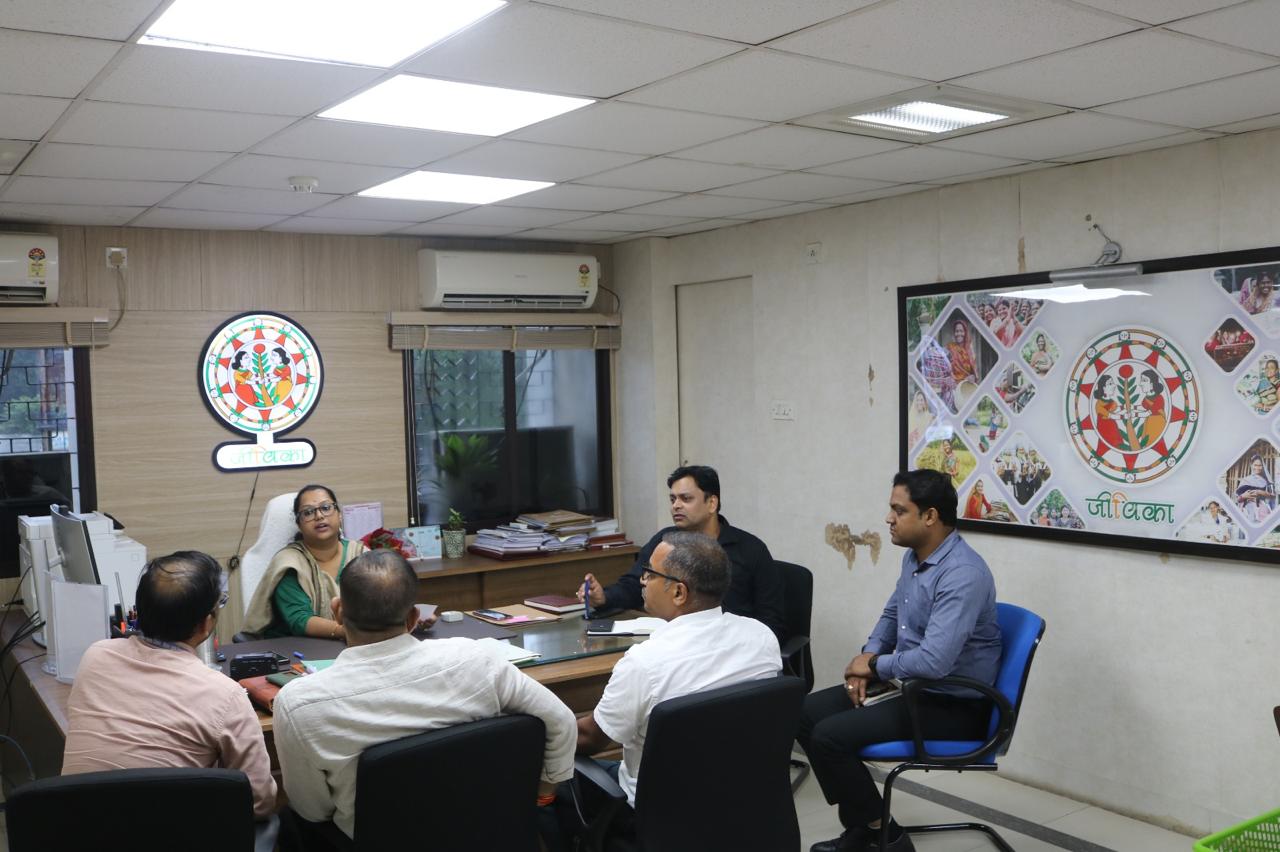
Plans discussed in the meeting include identifying potential Haat sites, piloting the initiative in select districts, and forming a coordination committee to oversee implementation. Experts from INFUSION will provide technical guidance throughout the process.
Officials described the convergence as a sustainable livelihood model, emphasising that the initiative embodies the spirit of ‘Empowered Women, Prosperous Villages’ and could play a pivotal role in building a self-reliant rural economy while contributing to the Sustainable Development Goals.