
Patna: The Bihar government is preparing a new water resources policy aimed at improving the management of rivers, groundwater and irrigation systems through greater use of digital technology, institutional reforms and data-driven planning.

The proposed State Water Resource Reform Framework is being developed by the Department of Water Resources, River Development and Ganga Rejuvenation with technical support from the Ministry of Jal Shakti. Officials say the initiative is intended to modernise water governance while encouraging greater public participation in the management of the state’s water resources.
New Institutions Under Consideration

As part of the reform process, the government plans to review the functioning of existing river-related institutions and assess the need for new bodies, including a dedicated Water Authority.
Officials said the framework is intended to strengthen coordination among departments and improve long-term planning for the sustainable use of Bihar’s water resources.
Focus On Digital Monitoring
A key component of the proposed policy is the digitisation of river water-level monitoring and reporting systems.
The government plans to improve the collection and dissemination of real-time information on river conditions, enabling authorities to respond more quickly to floods, droughts and other water-related events.
Officials said the move is expected to improve disaster preparedness while reducing the potential loss of life and property.
Groundwater And Data Management
The draft framework also places significant emphasis on addressing declining groundwater levels and improving the quality of water-related data used for policymaking.
A high-level committee headed by the Chief Engineer of the Water Resources Department has been constituted to prepare the framework.
The committee includes representatives from the departments of Minor Water Resources, Agriculture, Environment, Urban Development, Public Health Engineering and Rural Development. The Superintending Engineer of the Planning and Monitoring Zone-4 has been designated as the Member Secretary.
According to officials, the framework will promote evidence-based policymaking, digital monitoring of water projects and the review of existing water laws where necessary.
Irrigation And Urban Water Supply
The proposed policy also seeks to improve water allocation for irrigation by ensuring more efficient distribution through canal networks.
Officials said comprehensive planning will be undertaken to provide farmers with adequate irrigation water while improving water supply for industries and urban areas.
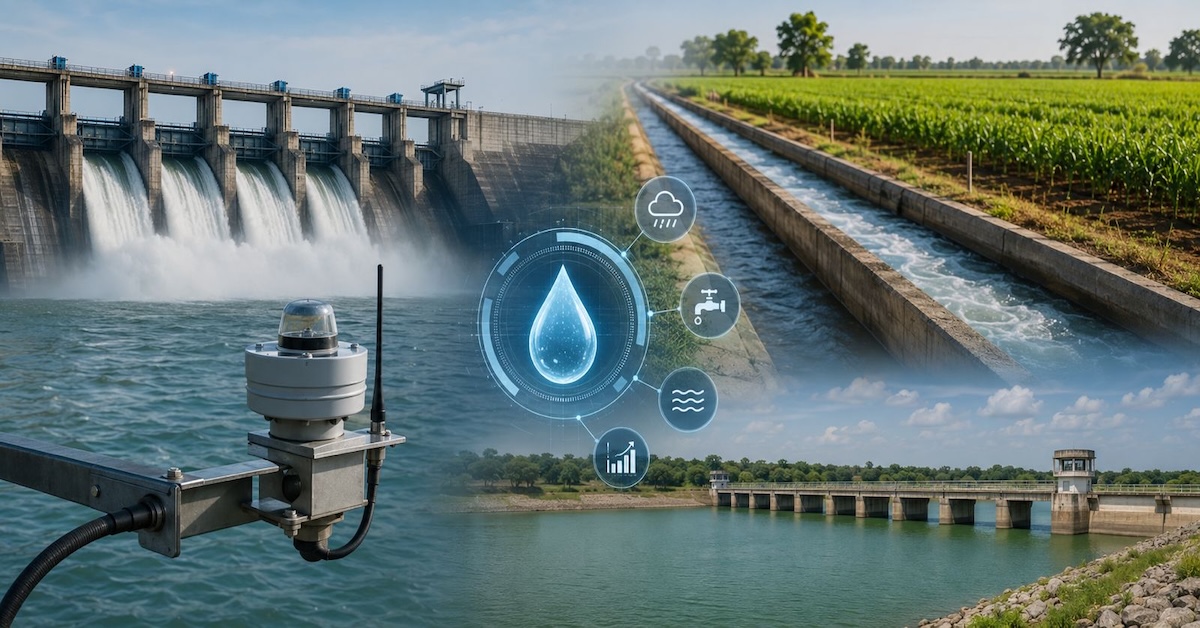
The government also plans to install sensor-based monitoring systems at dams, strengthen water accounting through digital technologies and repair leakages in canal networks to reduce water losses.
Officials said the reforms are intended to improve the long-term sustainability of Bihar’s water resources while supporting agriculture, urban development and economic growth.