Patna: Bihar’s Public Health Engineering Department (PHED) has set an ambitious target to resolve most drinking water-related complaints within 24 hours, as part of a broader push to strengthen monitoring and accountability under the state government’s Saat Nischay 3.0 programme.

The directive was issued during a one-day state-level orientation and training programme on the Management Information System (MIS) and Centralised Grievance Redressal System (CGRC), held at Gyan Bhawan in Patna. The event brought together assistant engineers and junior engineers from across the state.
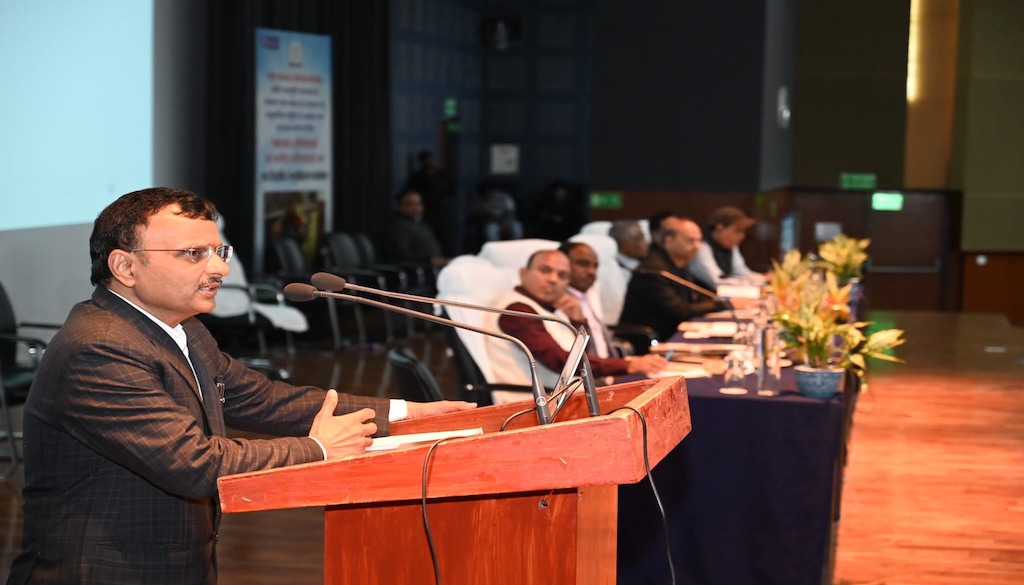
Addressing the gathering, PHED secretary Pankaj Kumar Pal said that “ease of living” was a central pillar of Saat Nischay 3.0 under the leadership of the chief minister, Nitish Kumar, and that drinking water services were among its most sensitive components.

“Our goal is to ensure that the majority of water supply-related complaints are resolved within 24 hours,” Pal said, adding that only cases involving multi-level approvals or major infrastructure upgrades would require more time.
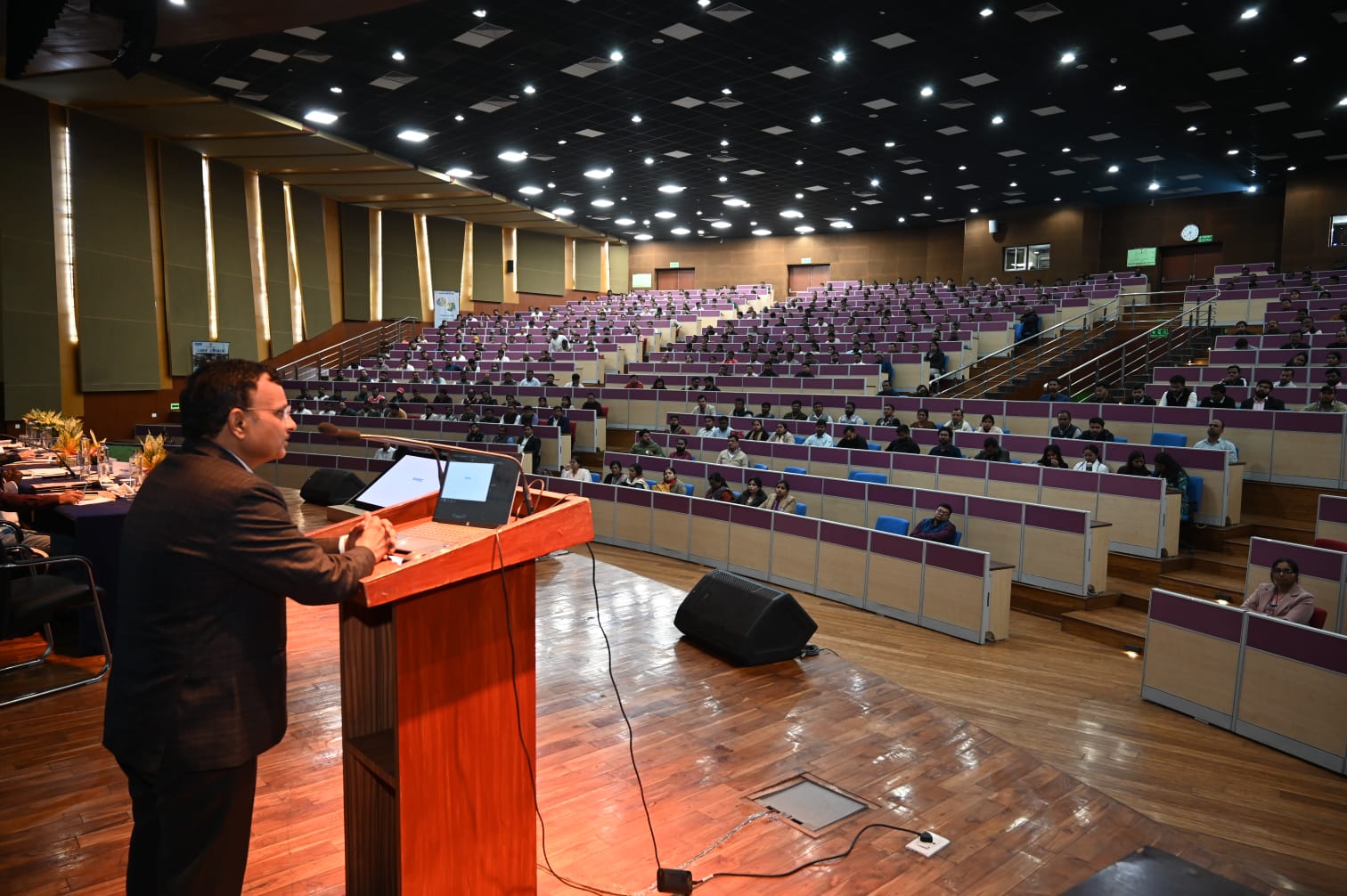
He emphasised that field-level engineers would play a decisive role in achieving this target. Taking a firm line on delays, Pal warned that contractors or engineers who failed to address complaints registered on the CGRC portal in a timely manner would face action. At the same time, he commended engineers who had demonstrated strong performance in grievance redressal.
Engineers were instructed to conduct physical inspections of all water supply schemes in their respective areas at least once a month and to upload updated information on the MIS portal. “Only the data available on the MIS portal will be considered valid,” Pal said, underlining the importance of digital record-keeping.
Officials also outlined plans to expand the capacity of the CGRC call centre in the coming months, with the aim of simplifying complaint registration for citizens.
The technical training sessions were led by special secretary Sanjeev Kumar, who provided detailed guidance on procedural and operational aspects of the MIS and CGRC systems. The sessions were interactive, with engineers raising field-level challenges and receiving clarifications.
Beyond digital systems, discussions also covered electricity bill payments, honorariums for pump operators, sustainability of water sources, operation and maintenance of schemes, and inter-departmental coordination.
Senior officials including additional secretary Arvind Kumar and chief engineer-cum-special secretary Nityanand Prasad were present at the programme, which officials described as part of a wider effort to make water service delivery more transparent, efficient and accountable across Bihar.