
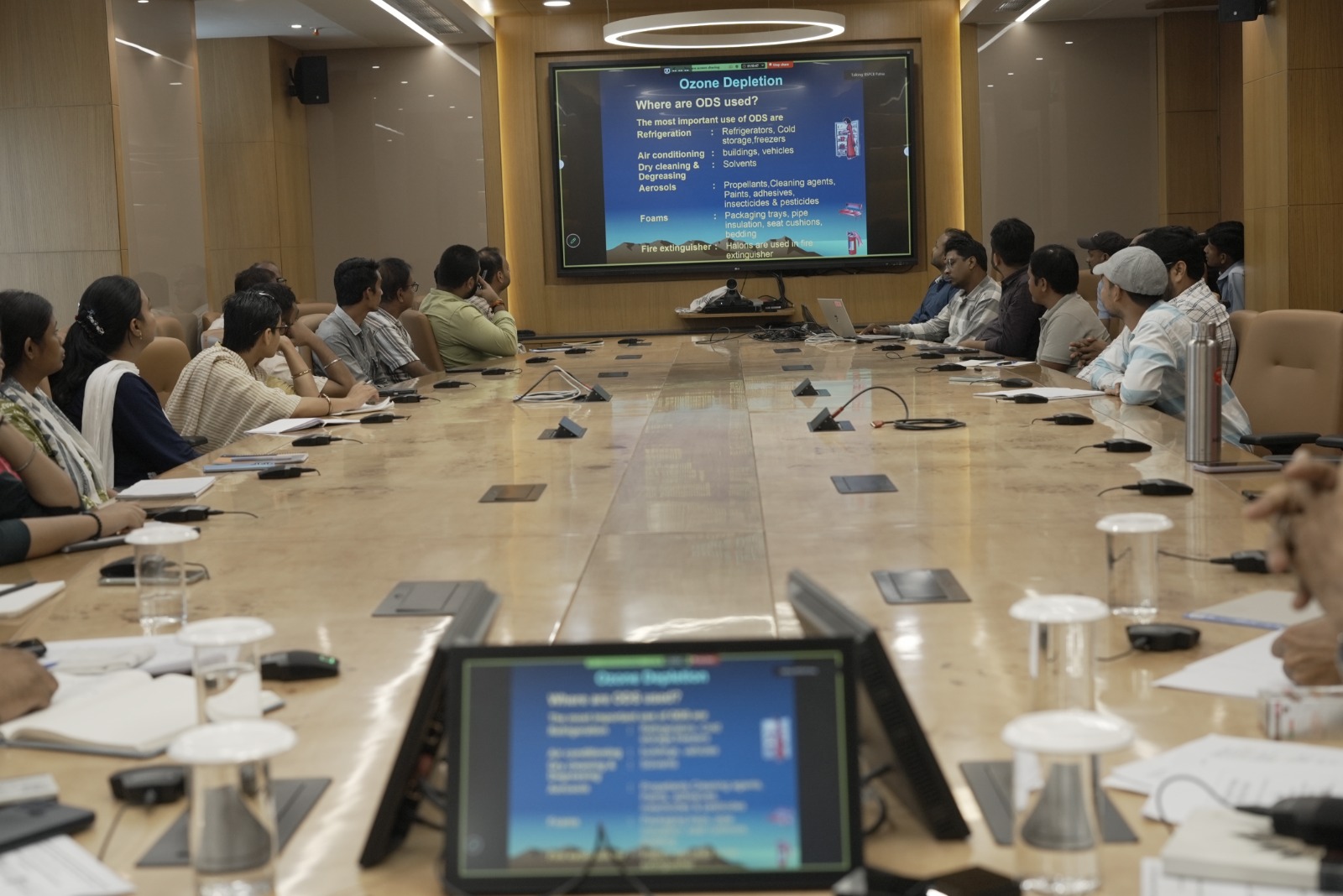
Patna: The Bihar State Pollution Control Board organised a seminar on Wednesday to mark World Ozone Day, focusing on the protection of the ozone layer and measures to address its depletion.

Member-Secretary Neeraj Narayan (IFS), along with the board’s scientists, engineers, regional office officials and other personnel, participated in the programme. The seminar covered the importance of the ozone layer and practical measures that can be adopted at the individual level for its preservation.
Focus On Ozone Depletion

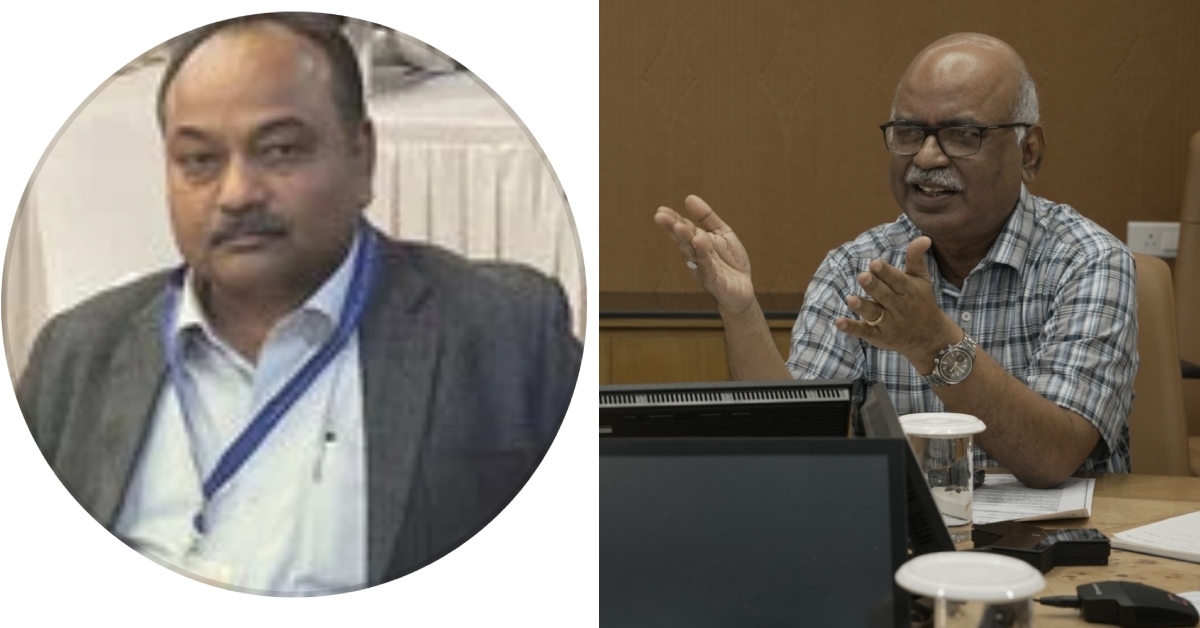
At the beginning of the programme, Neeraj Narayan welcomed Professor Pradhan Parth Sarathi, Professor of Environmental Science at the Central University of South Bihar (CUSB).
Narayan said the workshop was highly relevant to responses and action plans for major environmental challenges facing the Earth. He noted that the use of low-cost and better alternative substances could significantly contribute to preserving the ozone layer.
Professor Pradhan Parth Sarathi provided technical details on the process of ozone-layer depletion caused by ozone-depleting substances in the upper atmosphere.
He also explained that ground-level ozone, formed by emissions resulting from human activities, has adverse effects on the environment and health.
Montreal Protocol And Climate Action
Board scientist Dr Naveen Kumar delivered a lecture on World Ozone Day, covering scientific research and global and national efforts concerning the ozone layer, ozone-depleting substances and their phased elimination.
The programme highlighted the role of the Montreal Protocol, an international treaty addressing ozone-depleting substances. It was noted that the Central Government has notified the Ozone Depleting Substances (Regulation and Control) Rules, 2000, which regulate the production, export, sale and import of ozone-depleting substances.
Dr Naveen Kumar said the Montreal Protocol was a successful treaty and that actions in accordance with its requirements had been undertaken at the national level.
He also discussed the Kigali Amendment of 2016, under which the use of hydrofluorocarbons (HFCs) is to be phased down across various sectors. The initiative is also expected to contribute to efforts to curb global warming.
Ozone Recovery Projections
The seminar also highlighted scientific research indicating that global efforts under the Montreal Protocol are helping protect the ozone layer.
According to projections discussed during the programme, ozone levels are expected to recover to 1980 levels by approximately 2040 globally, 2045 in the Arctic and 2066 in Antarctica.
The programme concluded with a vote of thanks by board scientist Arun Kumar, who expressed confidence that collective community efforts would help address the issue of ozone-layer protection.