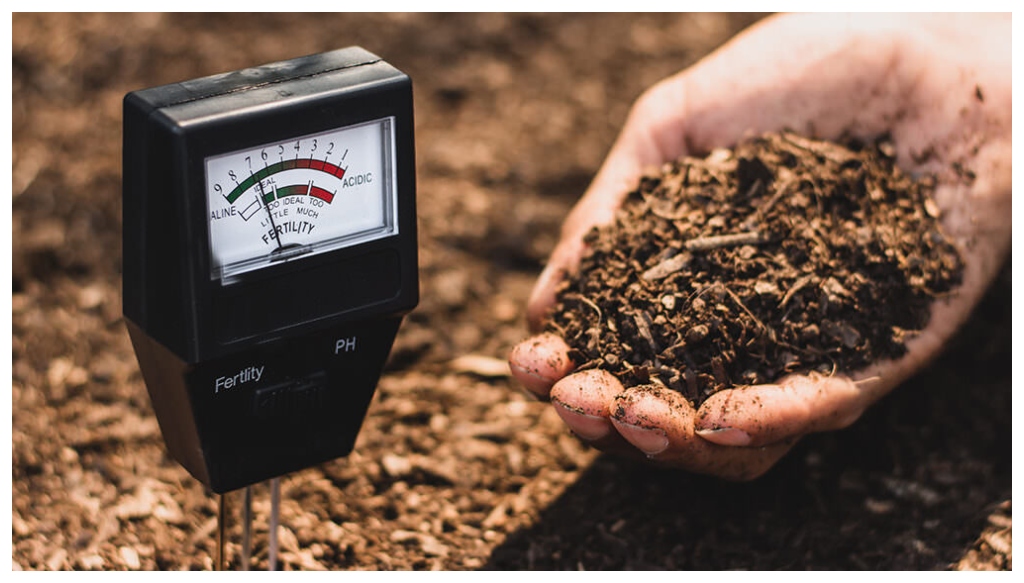
Patna: Bihar’s farmers are witnessing improved crop yields and higher incomes after nearly 5 lakh soil samples were tested across the state in the financial year 2024-25. Under the Soil Health and Fertility Scheme, farmers are receiving accurate data on the nutrient composition of their fields, allowing them to choose suitable crops and apply fertilisers in recommended amounts.

Soil testing laboratories have been established in all 38 districts of Bihar, with nine mobile soil testing laboratories operational across divisions. Additionally, 72 village-level soil testing labs and 14 sub-division level laboratories are also working to expand reach. In 2024-25 alone, eleven sub-division level laboratories were established to further decentralise soil testing services.
The laboratories analyse 12 parameters, including pH, EC, potash, nitrogen, sodium, zinc, copper, magnesium, and iron content. To ensure transparency, agricultural department personnel collect samples through a software-based process that uploads the farmer’s plot photo, address, and GPS coordinates on the app.

In an effort to speed up dissemination of results, farmers now receive their soil health cards digitally on their mobile phones. The state’s two agricultural universities’ laboratories have also been designated as referral laboratories to monitor testing quality alongside the Central Soil Testing Laboratory.
The initiative has driven a significant shift towards modern farming practices in Bihar as farmers integrate soil health data into daily cultivation decisions to maximise yield while optimising input costs.