Patna: The Bihar State Pollution Control Board has launched a multi-phase training programme to prepare officials and local stakeholders for the implementation of the Solid Waste Management Rules, 2026, which came into effect nationwide on April 1.

The initiative aims to build awareness and ensure participation across administrative levels, with plans to hold special Gram Sabha meetings in May to involve citizens in the rollout.
Second Phase Training Sees Wide Participation

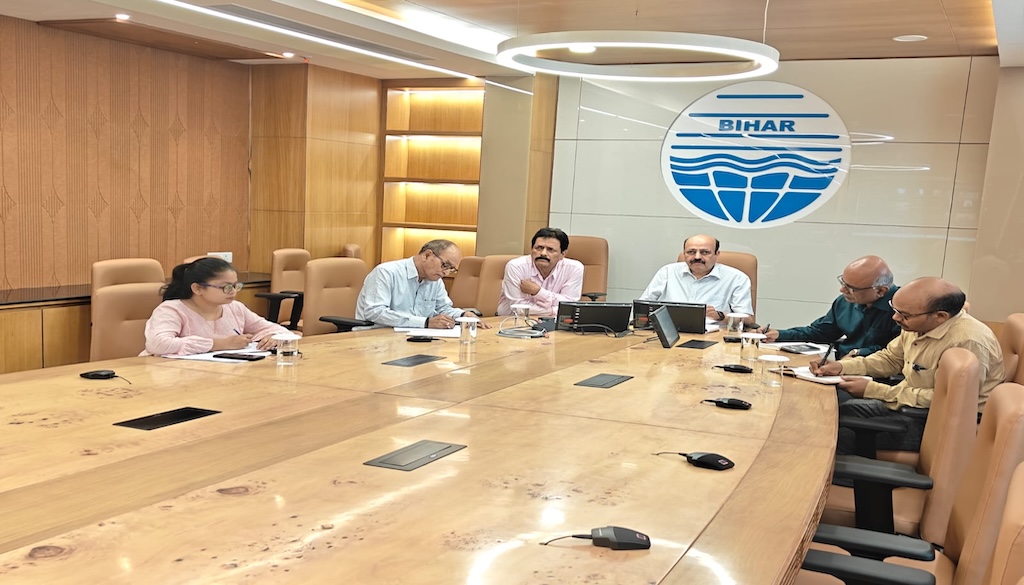
The second phase of the programme was conducted on Friday for officials up to the panchayat level, including elected village heads, block coordinators and other personnel from Patna and Jehanabad districts.
A total of 1,335 participants attended the session, which focused on operational and legal aspects of the new rules.
Shift To Data-Driven Waste Management
Inaugurating the session, D. K. Shukla, chairman of the board, said the 2026 rules replace the earlier 2016 framework and mark a transition towards a more accountable, data-driven waste management system.
He said the new regulations emphasise a circular economy approach, requiring waste to be treated as a resource rather than discarded.
Under the rules, segregation of solid waste into four categories at the source has been made mandatory, while responsibilities of bulk waste generators have been clearly defined.
Strict Norms For Bulk Waste Generators
Bulk waste generators — defined by criteria such as large floor area, high daily waste output or water consumption — must process all wet waste on-site or obtain an Extended Producer Responsibility (EPR) certificate.
Organisers of events involving more than 100 people are also required to notify local authorities at least three days in advance and ensure proper waste collection and disposal.
Centralised Monitoring And Legal Enforcement
A centralised online portal managed by the Central Pollution Control Board will monitor compliance at national, state and district levels.
Officials noted that the Supreme Court of India, in a February 19 order, has made it clear that non-compliance will not be treated as a mere administrative lapse, warning that officials could face prosecution for failing to enforce the rules.
Training And Implementation Push
The session included detailed presentations on the roles of district and gram panchayats, with an emphasis on grassroots implementation.
The training is being conducted by Nalini Mohan Singh, a scientist with the state council, as part of the broader effort to strengthen compliance and public participation.
Authorities said the combined focus on training, monitoring and community engagement is intended to ensure effective implementation of the new waste management framework across Bihar.