Patna: After a year of high-profile events and sweeping reforms, Bihar’s sports department says it is preparing for a “historic” phase of expansion in 2026, building on what officials describe as a transformative 2025.

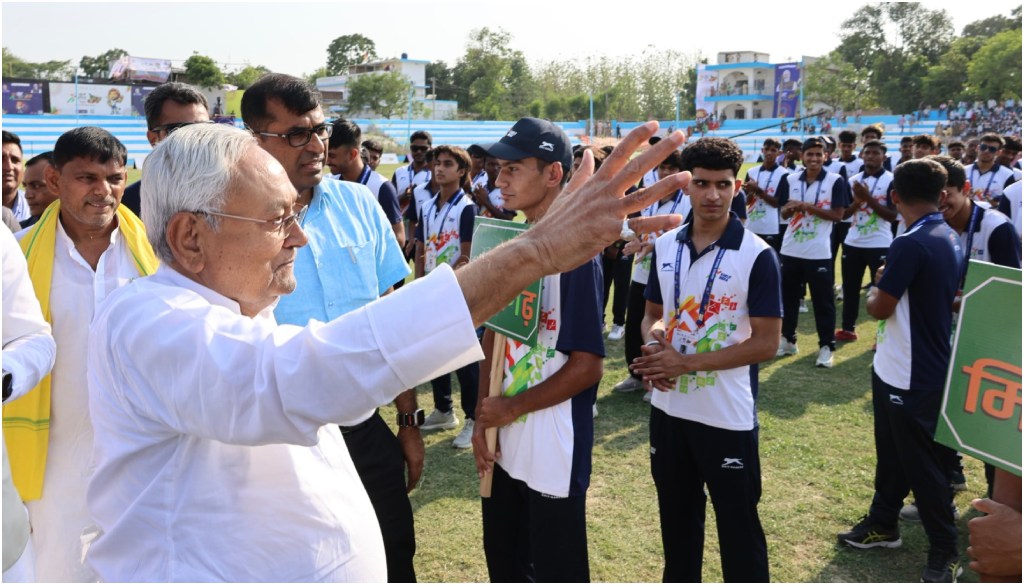
The past year saw the state host several national and international competitions, including the Khelo India Youth Games, the Hero Asia Cup in men’s hockey, the Asian Rugby Sevens Under-20 tournament and the All India Civil Services Athletics Championship. The events were widely viewed as a test of Bihar’s capacity to manage large-scale sporting fixtures – a test the government believes it passed.
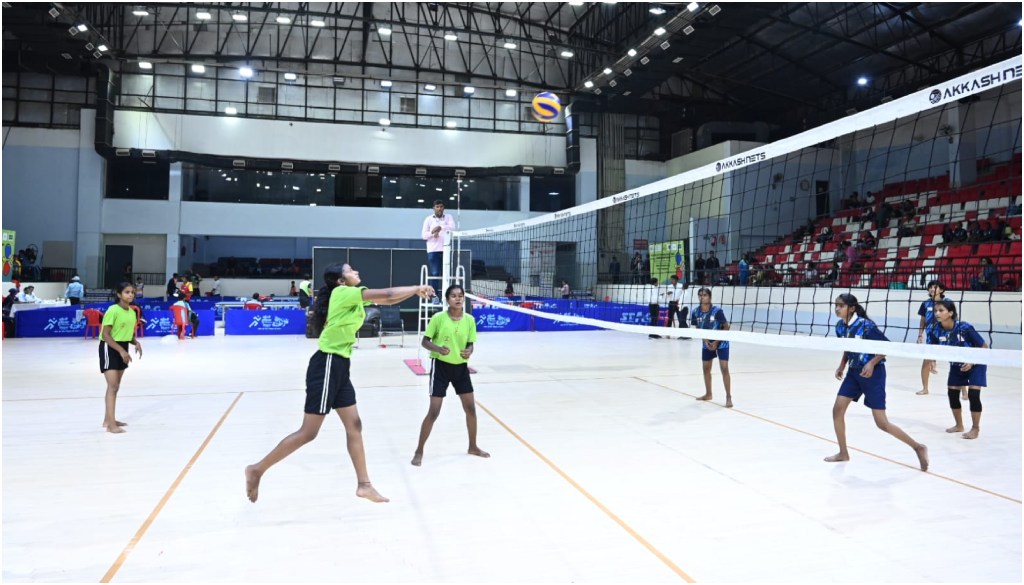

Infrastructure development formed a central plank of the department’s efforts. An international cricket stadium was inaugurated in Rajgir, while 257 block-level outdoor stadiums were completed under schemes linked to the Mahatma Gandhi National Rural Employment Guarantee Act (MNREGA). New and upgraded facilities in Rajgir, Patna and other centres have been promoted by the state as evidence of Bihar’s growing profile as a sporting destination.
The year also brought changes in leadership, with Mahendra Kumar appointed secretary of the sports department and Arif Ahsan taking charge as director of sports. Officials credit the new team with pushing forward administrative reforms and talent development initiatives.
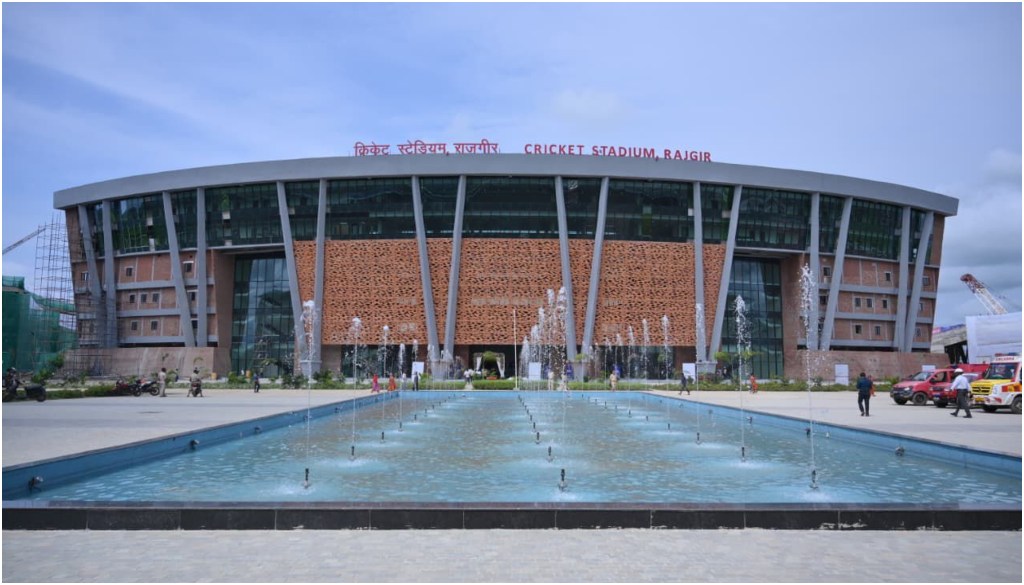
A major focus in 2025 was grassroots participation and athlete development. Through Mashal, described by the state as India’s largest talent identification programme, more than 4.2 million students across 34,000 schools were linked to competitive sport. The Eklavya Sports Schools network was expanded to more than 60 schools covering 23 disciplines, ensuring at least one such school in every district.
Elite training has been concentrated at the Khelo India State Centre of Excellence in Rajgir, alongside 38 smaller training centres across Bihar. The department has also rolled out a range of athlete support measures, including scholarships, a “win a medal, get a job” scheme, a players’ welfare fund and a dedicated health policy for female athletes.
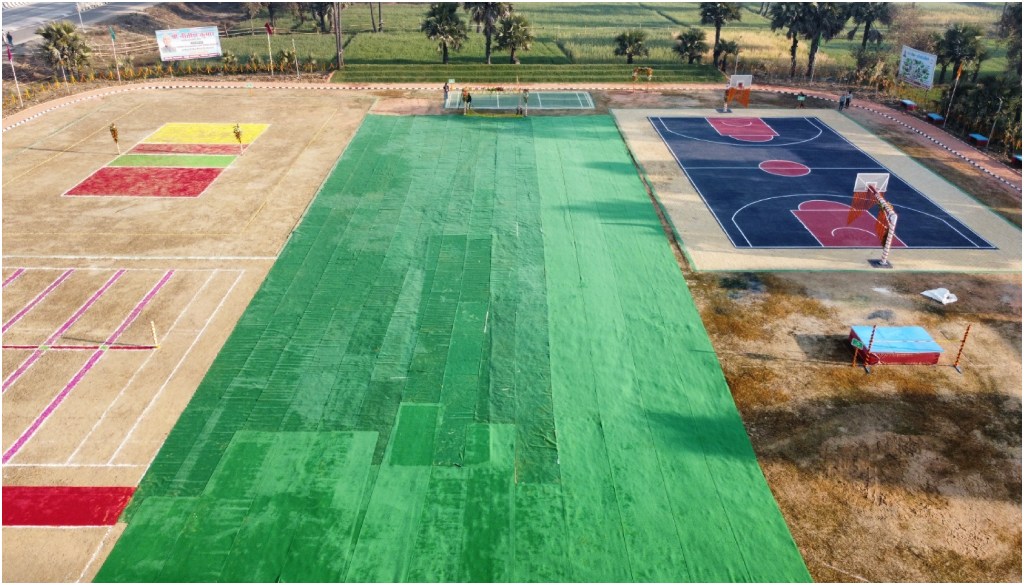
In governance, sports clubs have been registered in more than 8,000 panchayats under the Panchayat Club Policy, a move officials say has widened community participation and encouraged women’s leadership in sport. Athletes from the state recorded notable results at Asian and world events in disciplines ranging from high jump and archery to chess, fencing and para-athletics.
Looking ahead, the department has set out an ambitious agenda for 2026. Work is due to begin on a state-of-the-art sports city in Patna under the Seven Resolves Scheme, while centres of excellence tailored to region-specific sports are planned for every district. Sixty-four Eklavya Sports Centres are expected to become operational, with a focus on rural and semi-urban talent.
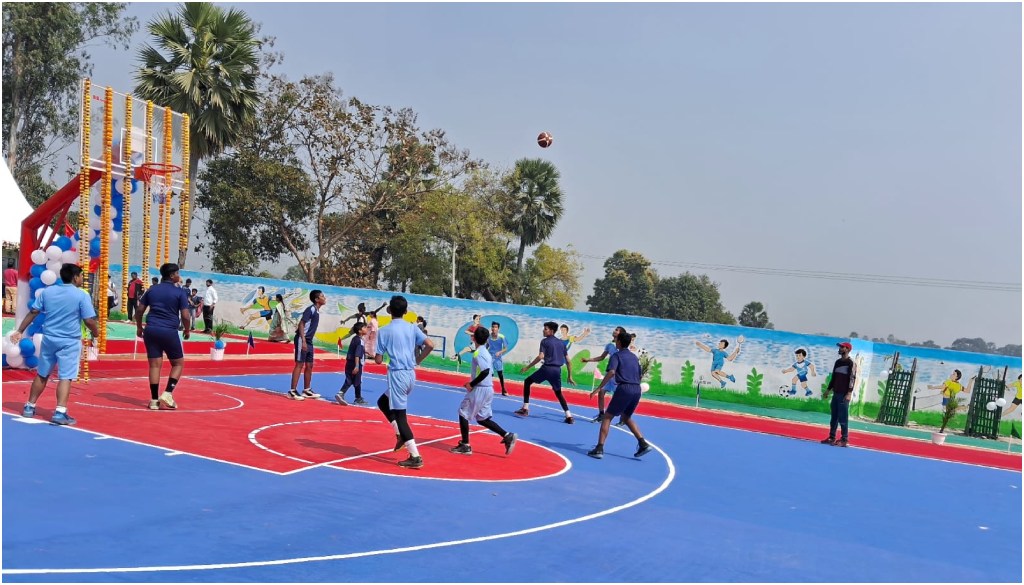
Fresh applications will be invited under various categories of the sports scholarship scheme, and large-scale recruitment through state commissions is planned to bolster coaching and administration.
Officials say these steps are aligned with Bihar’s longer-term aspirations, including contributing to India’s Olympic ambitions for 2036 and the broader national vision for development by 2047. Whether the momentum of 2025 can be sustained, they argue, will determine if Bihar can translate policy ambition into lasting sporting success.