Patna: The Public Health Engineering Department has intensified its preparations to tackle potential drinking water shortages during the coming summer, ordering district-level inspections and the deployment of mobile repair teams across the state.

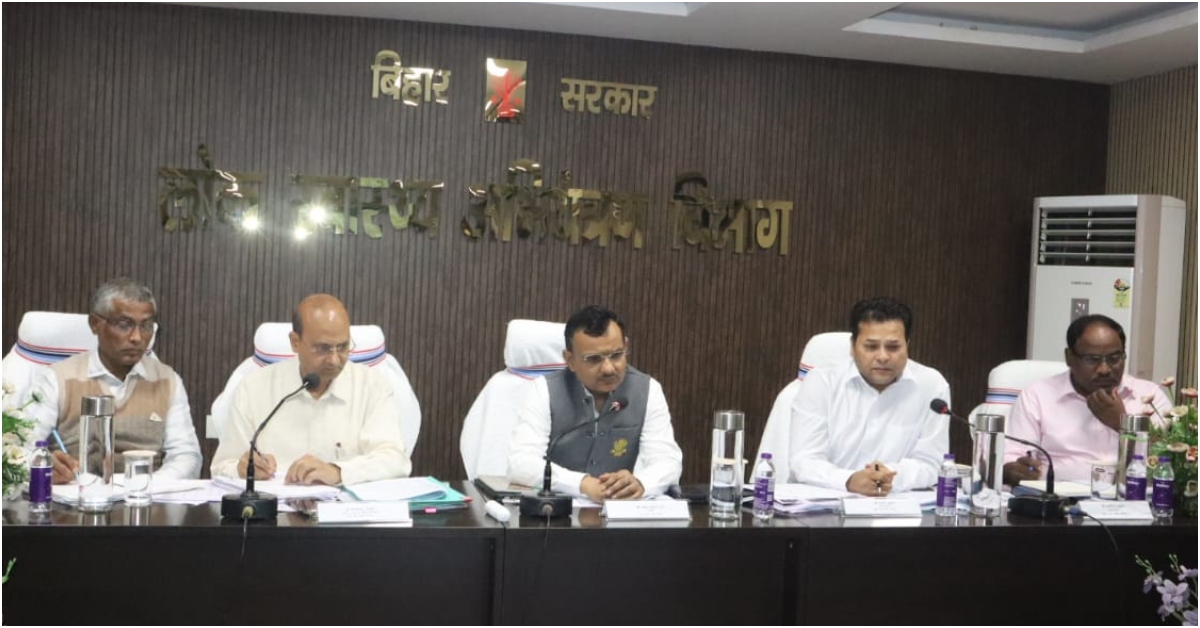
At a review meeting held at the department’s headquarters on Thursday, secretary Pankaj Kumar Pal directed officials to begin dispatching mobile repair units from next week. The teams, to be flagged off by district magistrates, will respond to breakdowns and supply disruptions during peak demand. Officers were instructed to complete logistical preparations immediately and to upload all deployment details on the departmental management information system.
In a move aimed at early identification of vulnerable areas, executive engineers and superintending engineers have been asked to conduct mandatory field visits to every panchayat under their jurisdiction by March 15. The surveys will assess the status of water supply infrastructure and identify hamlets at risk of shortages. Officials clarified that new hand pumps will be installed strictly as alternative sources, particularly in habitations where infrastructure under the ‘Har Ghar Nal Ka Jal’ scheme remains incomplete. Site selection will depend on groundwater conditions and coordination with district authorities.

The department also reviewed operation and maintenance contracts, tanker services, water ATMs and overall upkeep of supply schemes. Where contracts are nearing expiry, existing contractors will be granted temporary extensions until new appointments are finalised, to ensure uninterrupted supply.
Payment delays to pump operators drew particular attention during the meeting. Pankaj Pal said timely disbursal of wages is the direct responsibility of executive engineers and called for close coordination with district panchayati raj officers to clear pending dues. Matters unresolved at district level are to be escalated to headquarters, with the secretary stressing that pump operators play a crucial role in maintaining rural water supply systems.
Grievance redressal performance was also reviewed under the Centralised Grievance Redressal System. Officials were warned of strict action if complaints remain unresolved beyond the stipulated timeframe. Current pendency stands at 8.42% in Muzaffarpur region, 9.19% in Patna region, 5.30% in Purnea region and 7.47% in Bhagalpur region, with an overall state-level pendency of 8.11%. The department has decided to form separate monitoring teams from headquarters to conduct field inspections and oversee preparedness measures ahead of the summer months.