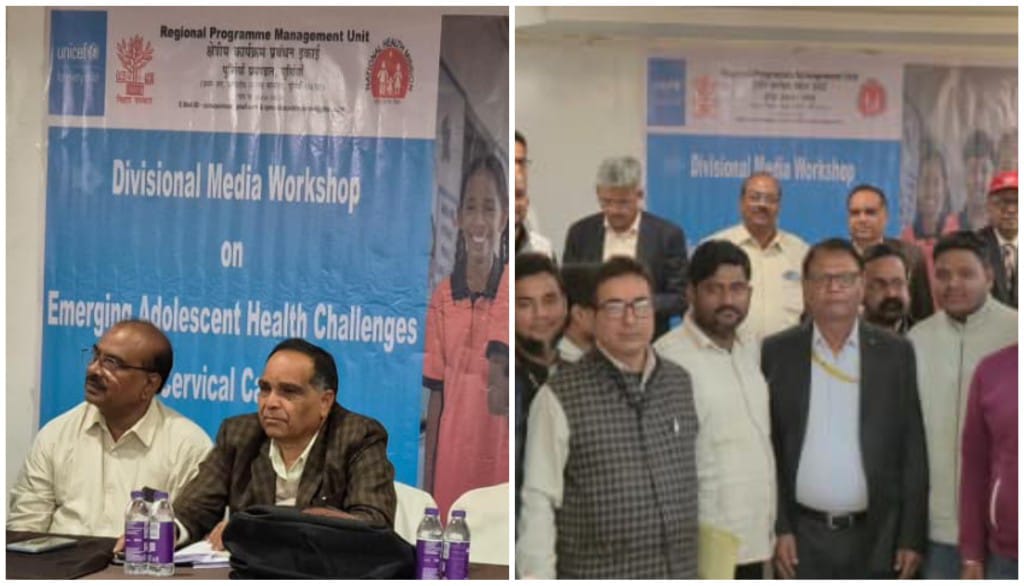
Purnea: The Government of Bihar and UNICEF organised a divisional-level media workshop in Purnea on Tuesday to strengthen journalism around emerging adolescent health challenges, with a sharp focus on cervical cancer—one of the most preventable yet under-reported public health issues in India.

Building on a recent national meeting held in New Delhi, the workshop convened reporters from Purnea, Katihar, Araria and Kishanganj, aiming to equip district media with the skills and scientific understanding needed to report on HPV, preventive healthcare and the wider adolescent health landscape.
‘Cervical cancer is preventable’ — health officials urge stronger awareness
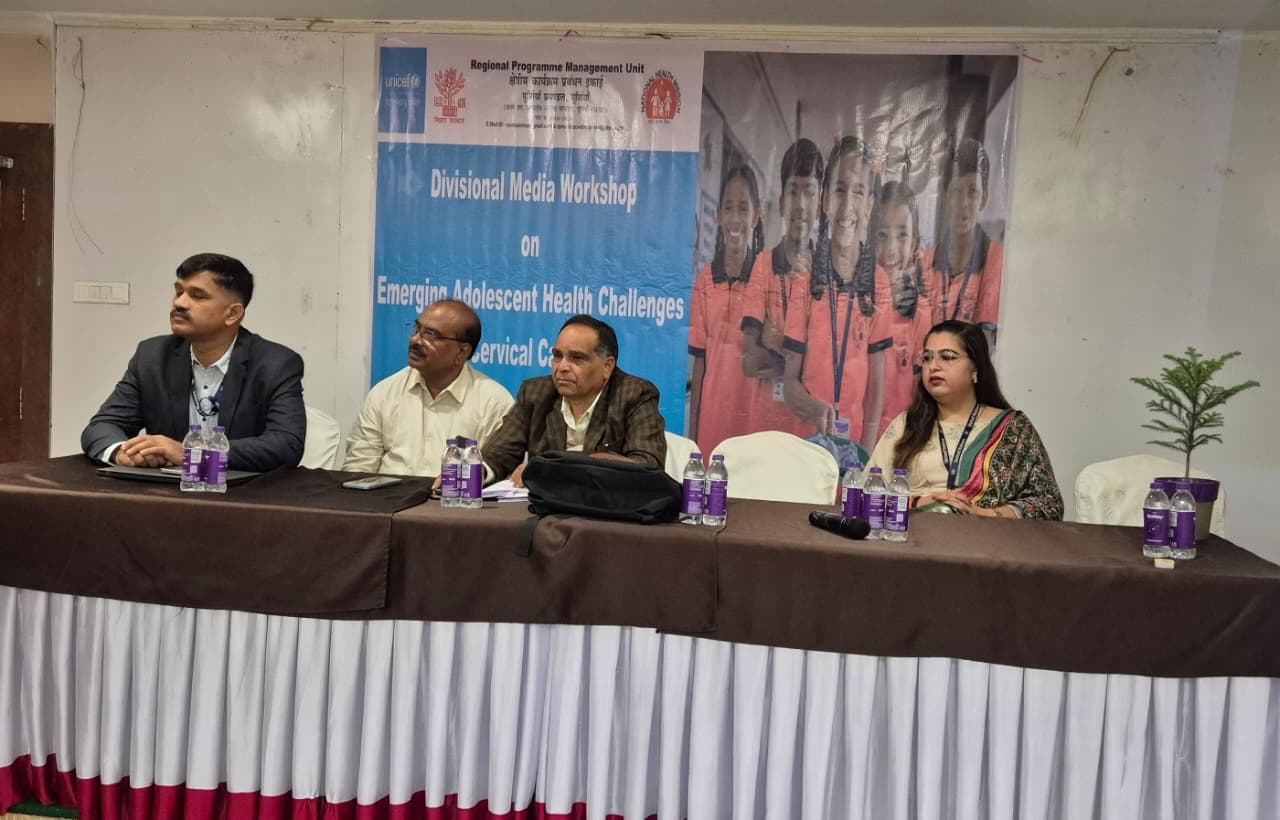
Delivering the opening address, Dr P.K. Kanaujia, Regional Additional Director of Health, noted that cervical cancer remains the second most common cancer among Indian women. He stressed that the disease is largely preventable through HPV vaccination, timely screening and early detection—areas where local media can play a decisive role.

“The district press is crucial for informing families about life-saving vaccinations and screenings,” he said.
UNICEF calls media ‘a pillar of public health movements’
Providing an overview of the initiative, Dr Pooja, Communication, Advocacy and Partnership Specialist at UNICEF Bihar, praised the state’s journalists as “one of the strongest pillars” of historic public health drives, including the fight against polio, routine immunisation and the Covid-19 response.
She added that cervical cancer is among the most preventable cancers, and that families can take informed decisions only when media reporting is clear, accurate and reassuring.
“HPV vaccination can protect adolescent girls for life. Media leadership is critical once again,” she said.
Stark statistics underline urgency
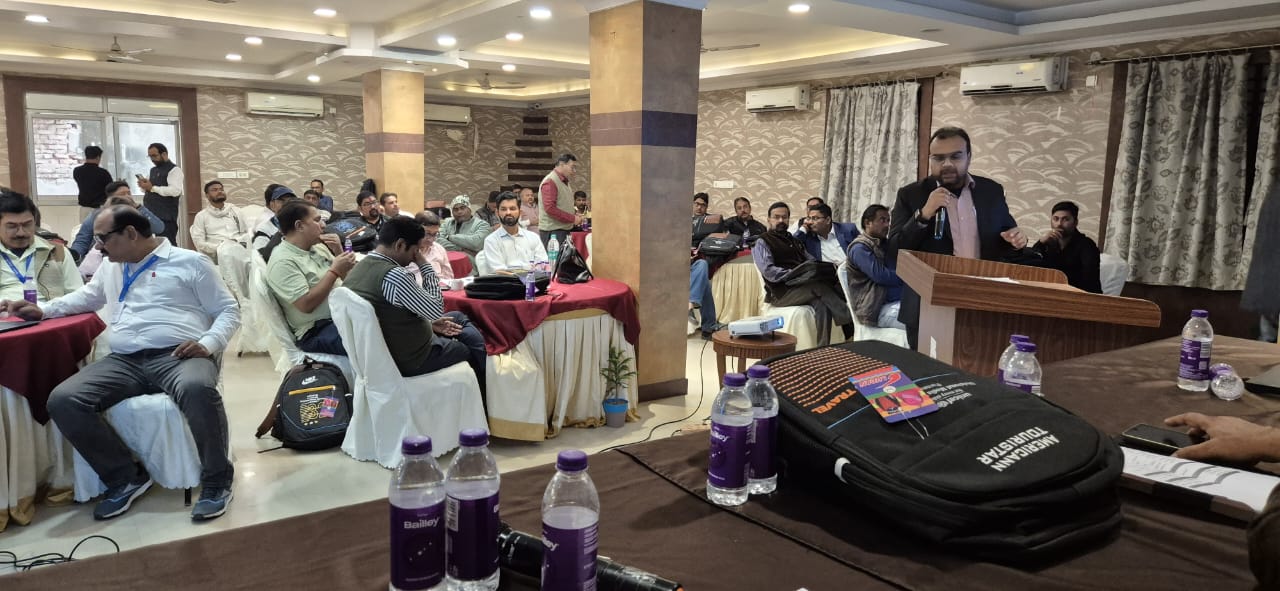
In a technical briefing, Dr Anshuman, Health Officer at UNICEF Bihar, explained that cervical cancer develops in the cervix due to persistent HPV infection—the most common viral infection of the reproductive tract.
He noted that India recorded 79,103 new cases and 34,805 deaths in 2022, despite the cancer being highly preventable and treatable when caught early.
Journalists trained in fact-checking, toolkit use and critical appraisal
A session on the media’s role in public health, led by former Navbharat Times editor Madhuresh and UNICEF State CAP Consultant Shadab Mallick, focused on the Media Reporting Toolkit (MRT) and Critical Appraisal Skills (CAS).
Speakers urged journalists to verify claims, cite credible evidence, simplify scientific information and actively counter misinformation—especially on reproductive and adolescent health.
Tackling stigma, improving access to accurate information
Throughout the workshop, experts emphasised the need to broaden public awareness about HPV vaccination and regular screening while addressing stigma associated with reproductive health. Parents, teachers and community leaders, they said, are vital in nurturing health-seeking behaviour among young people.
The workshop also included group exercises where reporters developed story ideas tailored to local contexts.
‘Collective action can save lives’
Delivering the vote of thanks, Md Quaiser Iqubal, Regional Programme Manager at NHM, commended the media’s engagement and reiterated UNICEF’s commitment to strengthening district-level reporting capacities.
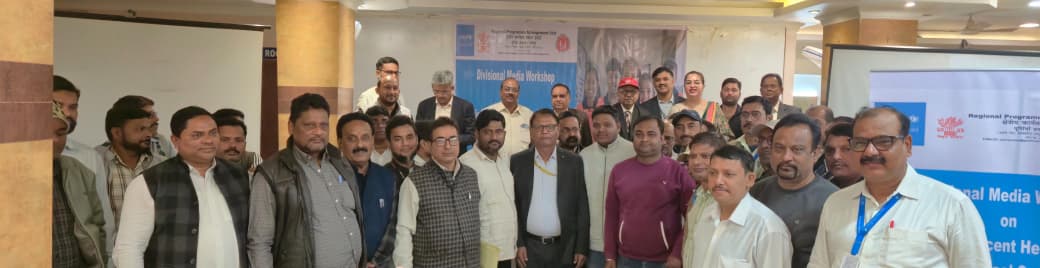
The event concluded with group presentations and a photo session.