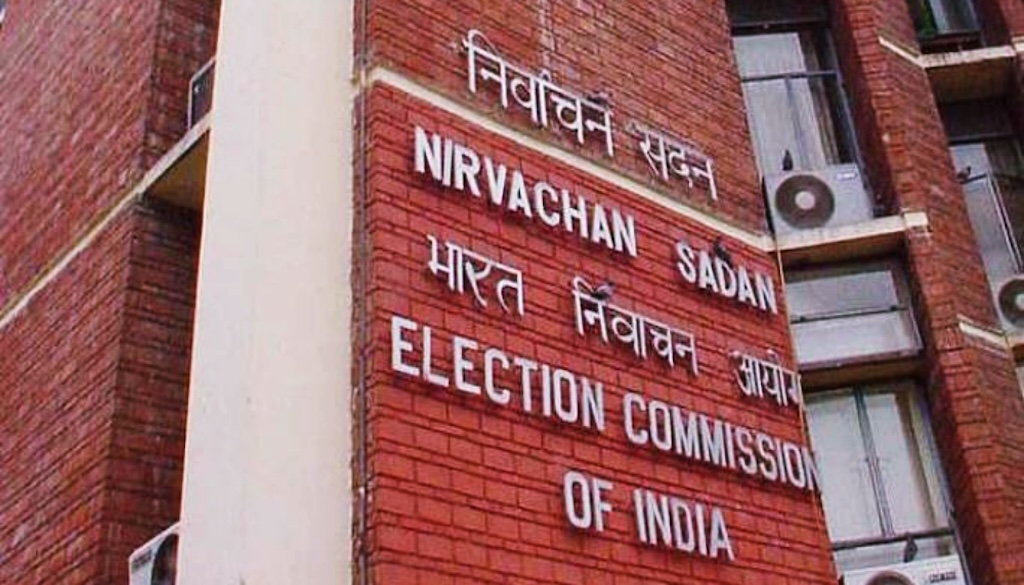
Patna: The Election Commission of India (EC) has shared the first draft of Bihar’s revised electoral rolls under the Special Intensive Revision (SIR) process with political parties, marking a significant update ahead of the 2025 assembly elections. The draft, released on 1 August, excludes approximately 6.5 million voters—about 8% of the state’s electorate.
The deletions arose after a month‑long exercise in which some 7.24 crore out of 7.89 crore registered voters submitted enumeration forms. Reasons for exclusion include death, internal migration, duplicate registrations, and untraceable entries. Specifically, around 22 lakh were identified as deceased, 35 lakh as permanently migrated or untraceable, and 7 lakh registered in multiple places.
Patna district topped the list with nearly 3.95 lakh names removed, followed by East Champaran, Madhubani, and Gopalganj—each accounting for about 3 lakh deletions. Kishanganj saw a particularly high concentration of removals, raising political concerns given its location in the sensitive Seemanchal region.
Voters and parties now have until 1 September to raise claims or objections, including requests for name restoration or corrections, via official forms. The EC has pledged that no deletion would proceed without proper notice and a fair hearing.
However, the revision has sparked widespread debate. Opposition leaders and election analysts warn that the process—launched amid sparse outreach and stringent documentation norms—could disproportionately disenfranchise migrant, poor, and marginalised communities. Some fear the initiative may serve as a template for similar revisions nationally.
The timing—just months ahead of the Bihar polls—and the scale of removals have amplified scrutiny of the process and prompted legal challenges in the Supreme Court, including appeals to accept commonly held documents like Aadhaar and ration cards in support of voter eligibility.