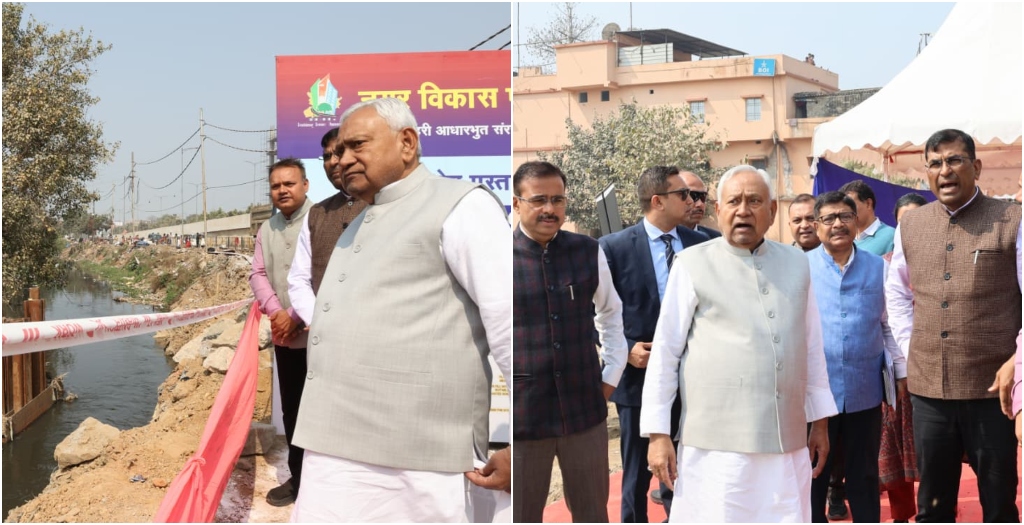
Patna: Patna is getting ready for a big change. For years, many areas of the city have suffered from waterlogging during the rainy season and slow-moving traffic because of narrow and broken roads. Now, the state government is working on two major drainage projects that aim to solve both problems at the same time. Recently, Nitish Kumar visited the Kurji (Rajiv Nagar) Drain and the Anandpuri Drain to check the progress and asked officials to finish the work faster.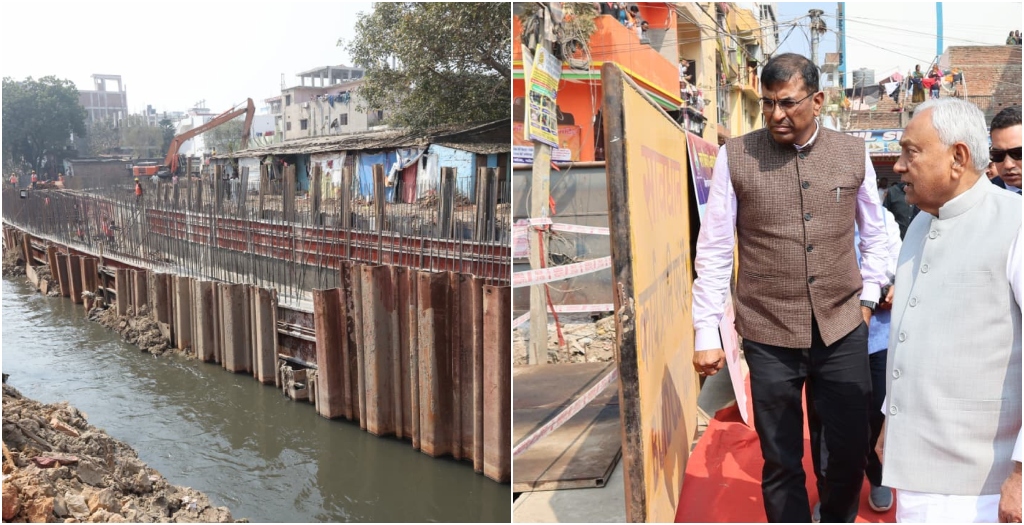

During his visit, the Chief Minister said that both drains are being paved and covered, and a two-lane road is being built on top of them. This means that water will flow smoothly underground while vehicles move easily above. According to officials, this new system will reduce flooding in nearby areas and also improve daily travel for thousands of people. The roads will connect busy neighbourhoods and make commuting easier for office workers, students, and shopkeepers.
The idea for these projects came during the Pragati Yatra in February 2025, when the Chief Minister reviewed development works in Patna. At that time, he listened to residents who complained about dirty drains, stagnant water, and traffic jams. In response, he ordered that both drains be repaired and turned into covered corridors with roads above them. Now, seeing the work in progress, he has stressed that there should be no delays.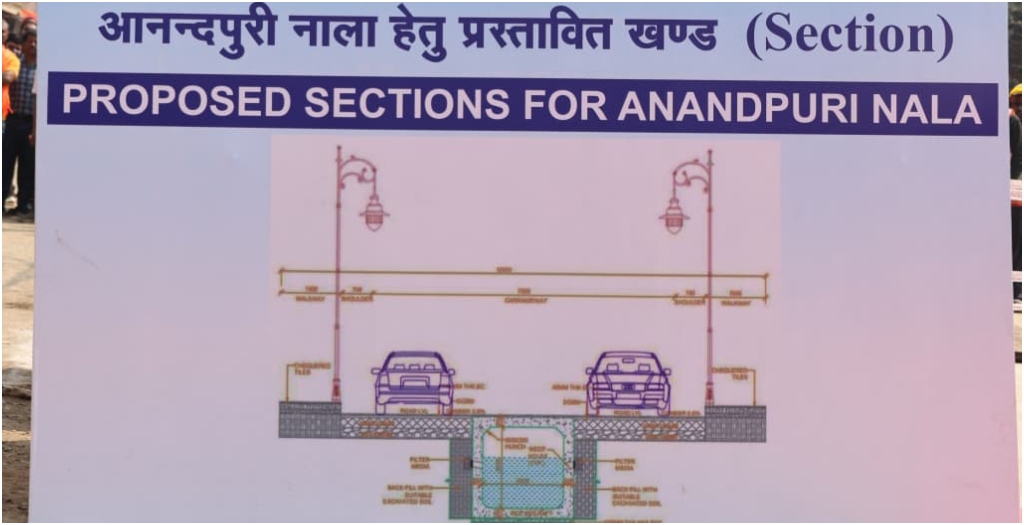

The Kurji or Rajiv Nagar drain is one of the most important drains in the city. It is 4.26 kilometres long and runs from Digha Ashiana Road to the Kurji Drainage Pumping Station. The Anandpuri drain is also about 4 kilometres long. It starts at Baba Chowk, passes near Atal Path and A. N. College, and ends at the Rajapur Bridge Drainage Pumping Station. Once completed, both drains will help keep large parts of the city dry during heavy rain.
Senior government officers were present during the inspection and assured that the projects are being closely monitored. People living near these areas are hopeful that the new drains and roads will finally bring relief from yearly flooding and traffic problems. If completed on time, these projects could become a model for future urban development in Bihar.