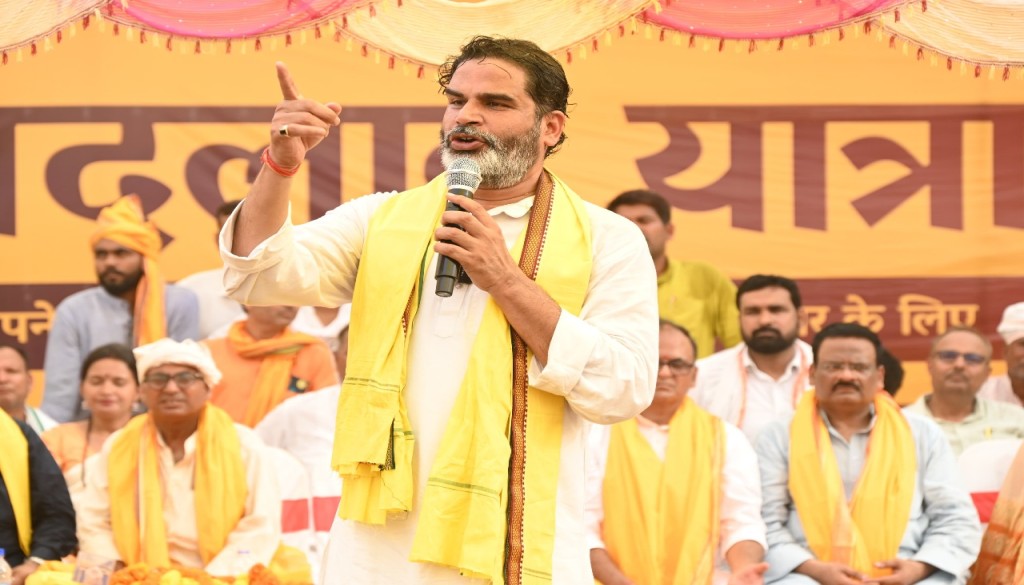
Darbhanga: Darbhanga AIIMS is poised to become a landmark in public healthcare and regional development, serving not just Bihar but also neighboring regions. MP Dr. Gopalji Thakur described the upcoming facility as the “biggest example of Prime Minister Narendra Modi’s commitment to the all-round development of Mithila.”

Speaking after a review meeting with Darbhanga AIIMS Director Dr. Madhavanand Kar and other officials, the MP said that once completed, AIIMS Darbhanga will directly benefit 8.5 crore people in Mithila, including 14 districts of Nepal and nearly 15 crore people across northeastern states such as Sikkim.
Land and Infrastructure Development
Dr. Thakur credited Bihar Chief Minister Nitish Kumar for facilitating the project, stating that the Bihar government allocated 183 acres of land for the institute. Of this, 93 acres will be utilized for the main AIIMS campus.

He also reviewed the status of design and infrastructure planning. The final design—prepared by a consortium of experts including Dr. Mahua Mukherjee (IIT Roorkee), Dr. N.K. Jha (IIT Delhi), Dr. Saurabh Varshney (AIIMS Patna), senior architect Dr. Rajiv Kannaujiya, and Subhash Kumar’s Nirman Company team—has been approved and submitted to the concerned department.
Boundary Wall Construction Begins
The construction of the boundary wall, which stretches 5.3 kilometers, commenced on May 1, 2025, at a cost of ₹37.82 crore. This phase is expected to be completed by April 30, 2026.
Post-monsoon, main infrastructure work, including the AIIMS building, will begin between November and December this year.
AIIMS Darbhanga: Key Features
Once operational, Darbhanga AIIMS will feature:
- 750 beds, including:
- 90 IPD beds
- 25 ICU beds
- 30 CCU beds
- 20 operation theatres
- 15 super-speciality and 12 speciality departments
- Capacity to treat 2,500 OPD patients daily
- Hostel and residential facilities for 1,536 people
The AIIMS is expected to significantly boost healthcare access and outcomes not only in Bihar but also in adjoining parts of Nepal and Northeast India, contributing to regional equity in public health infrastructure.