Gayaji: The holy city of Gayaji in Bihar witnessed an extraordinary rush of devotees on Sunday, September 21, 2025, as the world-famous Pitru Paksha fair concluded with the sacred ritual of Pind Daan. This annual 16-day fair ends on Ashwin Krishna Amavasya and is considered one of the most auspicious times in the Hindu calendar to perform rituals for ancestors. The atmosphere in Gayaji was filled with chants, the sound of bells, and the devotion of lakhs of pilgrims who had travelled from across India and abroad to take part in this age-old tradition.

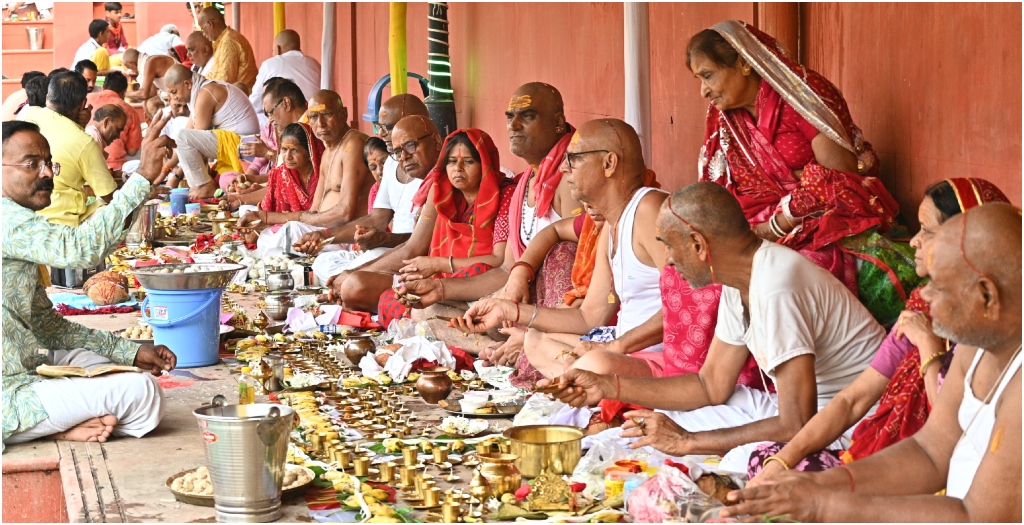
According to figures released by the district administration, nearly 30 lakh people visited Gayaji during this year’s Pitru Paksha fair, with more than 2.85 lakh pilgrims completing the Pind Daan ritual by September 20. On the final day, thousands more arrived to perform the ceremony at the Akshayavat Pind Vedi, a sacred site located under the legendary Akshayavat tree. This banyan tree is believed to be immortal and holds immense religious importance for Hindus.
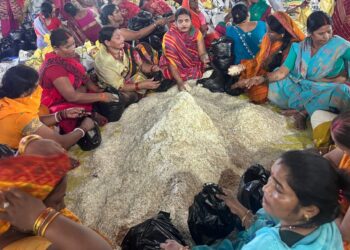
Performing Pind Daan at Akshayavat is said to grant ancestors eternal peace and take them to Brahmalok – a spiritual abode in Hindu belief. Pilgrims offer pindas (ritual offerings made of rice, barley, and sometimes khoya and kheer) with full devotion, seeking blessings for happiness, prosperity, and peace for their families. After the ritual, Gayapal priests perform a farewell ceremony, which is believed to help the souls of ancestors bless their descendants before attaining salvation. Feeding Brahmins on this day is also considered sacred and is thought to please the ancestors even further.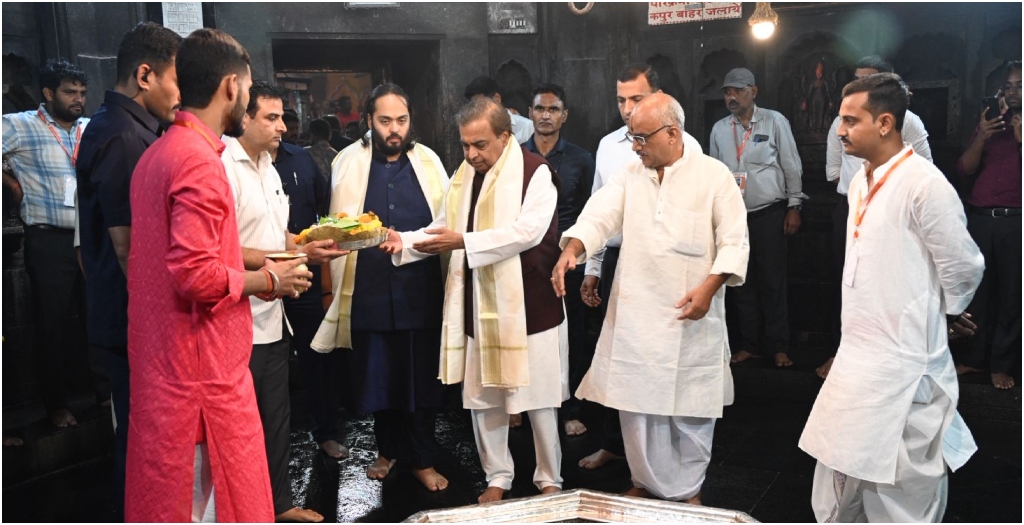

The Akshayavat tree itself is deeply rooted in mythology. According to the Puranas, when Mother Sita performed Pind Daan for King Dasharatha, only the Akshayavat tree bore witness to the ritual and spoke the truth. The Phalgu River, the cow, and a Brahmin gave false testimony, for which Mother Sita cursed the river to flow underground and blessed the tree with immortality. This is why the Akshayavat tree is worshipped as an eternal witness and stands as the focal point for devotees even today.
This year, the district administration made special arrangements to manage the large crowds and ensure smooth rituals. Security, medical facilities, drinking water, and shaded areas were provided for pilgrims. Separate areas were designated for performing rituals, and guides were available to assist visitors unfamiliar with the process. Panda Samaj President Gajadhar Lal Katariyar explained that the last day of Pitru Paksha holds the most spiritual weight. “After performing Pind Daan and feeding Brahmins at Akshayavat, the ancestors bestow blessings on their descendants, which brings peace, happiness, and prosperity to the family,” he said.
The Pitru Paksha fair is not just a religious gathering but also a cultural event that connects millions of people to their roots. For many families, it is an emotional moment where generations come together to honour their forefathers. The fair also attracts international visitors, especially those from the Indian diaspora, who travel to Gayaji to take part in what they see as a once-in-a-lifetime opportunity to fulfil their duties toward their ancestors.
With the conclusion of this year’s fair, Gayaji has once again reaffirmed its reputation as the “moksha bhoomi” – the land of salvation. The rituals performed here are believed to free ancestors from the cycle of rebirth, making the city one of the most sacred pilgrimage destinations in Hinduism. As the sun set on Ashwin Krishna Amavasya, pilgrims left with a sense of devotion and spiritual fulfilment, carrying with them the hope of blessings and peace from their forefathers.