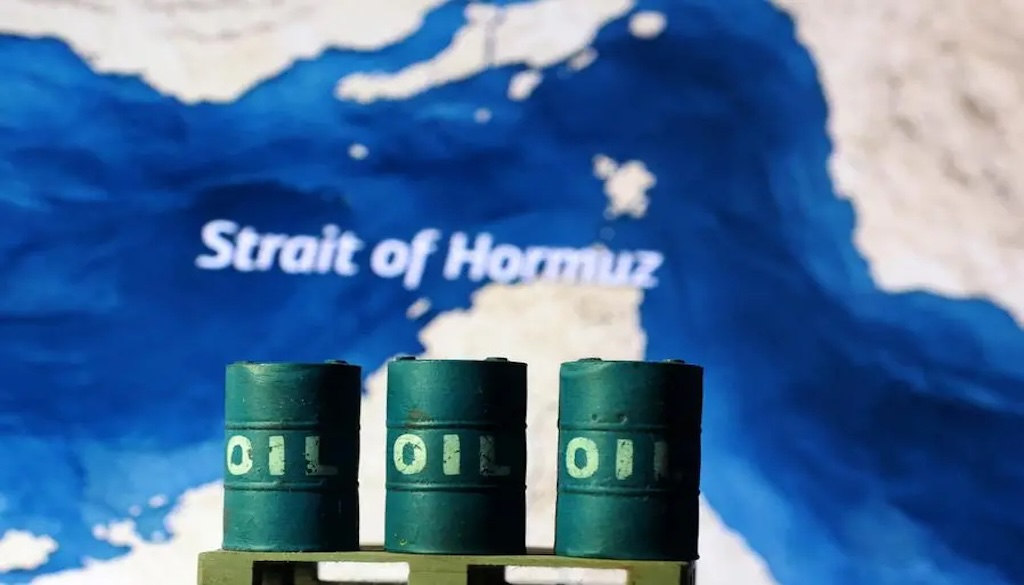
New Delhi: International Energy Agency has warned of an escalating global energy crisis as prolonged disruption in the Strait of Hormuz continues to drain global oil inventories at what it described as an “unprecedented” pace.

In a report issued on Wednesday, the agency said the strategic maritime route — one of the world’s most important corridors for oil and gas shipments — had remained effectively blocked for more than ten weeks amid ongoing tensions in the Middle East.
The IEA warned that, if instability continues, the world could face an oil supply shortfall of 3.9 million barrels per day by 2026.

Oil Reserves Falling At Record Pace
According to the report, countries across the world have begun aggressively drawing down commercial and strategic petroleum reserves to manage supply disruptions linked to military tensions involving the United States, Israel and Iran.
The agency revealed that:
- global oil inventories declined by 129 million barrels in March
- an additional 117 million barrels were depleted in April alone
Officials described the pace of decline as “record-breaking”.
The IEA said the disruption of crude oil and natural gas exports from the Gulf region was reshaping the global energy landscape and increasing the risk of future fuel shortages and price spikes.
Demand Slowdown ‘Not Enough’ To Offset Crisis
Although the agency expects global economic weakness and recessionary pressures to reduce energy demand, it said the decline would not be sufficient to compensate for the scale of supply disruption.
The report warned that:
- high energy prices
- slowing economic growth
- fuel conservation measures
were already exerting pressure on global oil consumption.
Despite this, the IEA said supply constraints remained severe enough to threaten market stability over the coming years.
Emergency Oil Releases Underway
In an attempt to stabilise markets, member nations of the IEA have agreed to release 400 million barrels of oil from emergency reserves.
According to the agency:
- approximately 164 million barrels have already entered the market
However, officials acknowledged that the situation remained “extremely precarious”.
Airlines Fear Jet Fuel Shortages
The report noted that the crisis had intensified just as the global summer travel season was beginning, raising fresh concerns within the aviation industry.
Airlines are reportedly worried about:
- rising jet fuel prices
- possible shortages in aviation fuel supplies
The IEA warned that prolonged disruption in the Strait of Hormuz could trigger heightened volatility across:
- global energy markets
- transport sectors
- international financial systems
Officials said the longer the crisis persisted, the greater the risk of widespread economic and market instability.