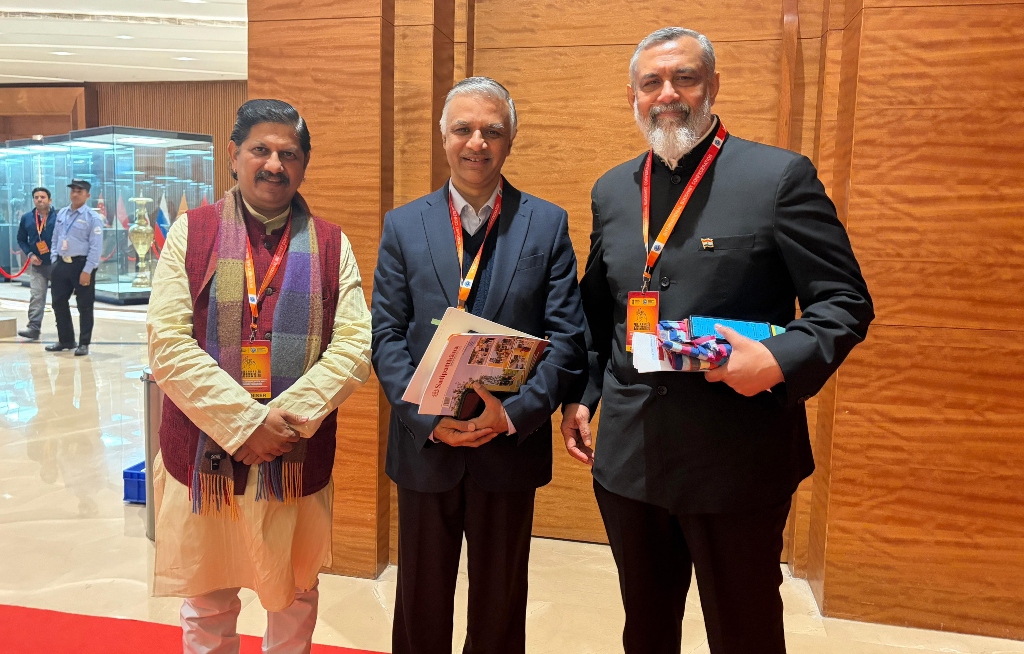
New Delhi: The vice-chancellor of Nalanda University, Sachin Chaturvedi, participated in the Second Global Buddhist Summit held in New Delhi on January 24–25, reaffirming the institution’s long-standing association with Buddhist intellectual and spiritual traditions.

The summit, organised by the International Buddhist Confederation in collaboration with the Ministry of Culture, was convened under the theme “Collective Wisdom, United Voice, and Mutual Coexistence”. It brought together more than 200 international delegates, including monks, scholars and leaders of major Buddhist institutions from across Asia, Europe and beyond.

Union minister for culture and tourism Gajendra Singh Shekhawat and minister for minority affairs Kiren Rijiju were among the senior figures present at the two-day event, which sought to explore how Buddhist philosophy can respond to contemporary global challenges.
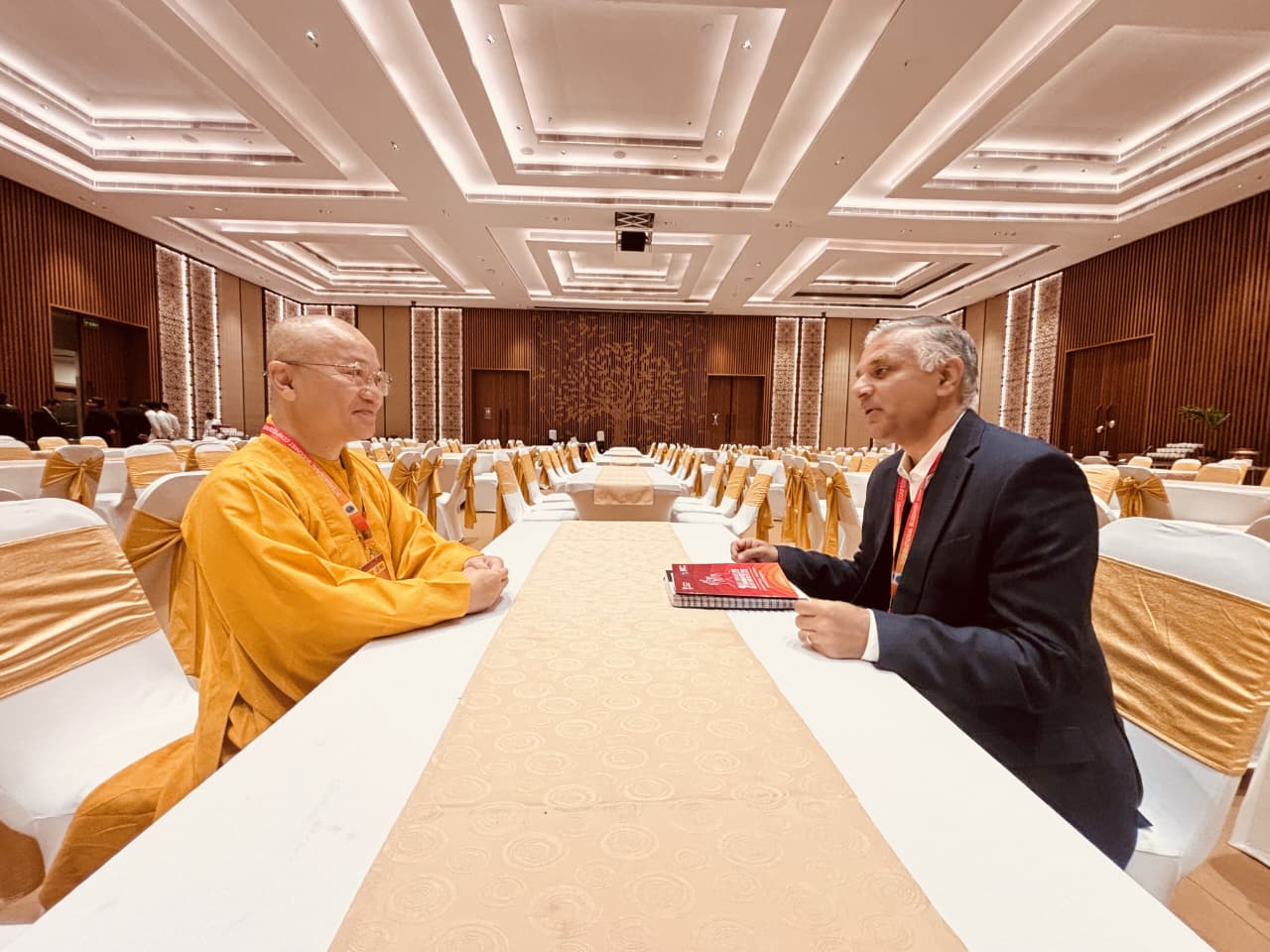
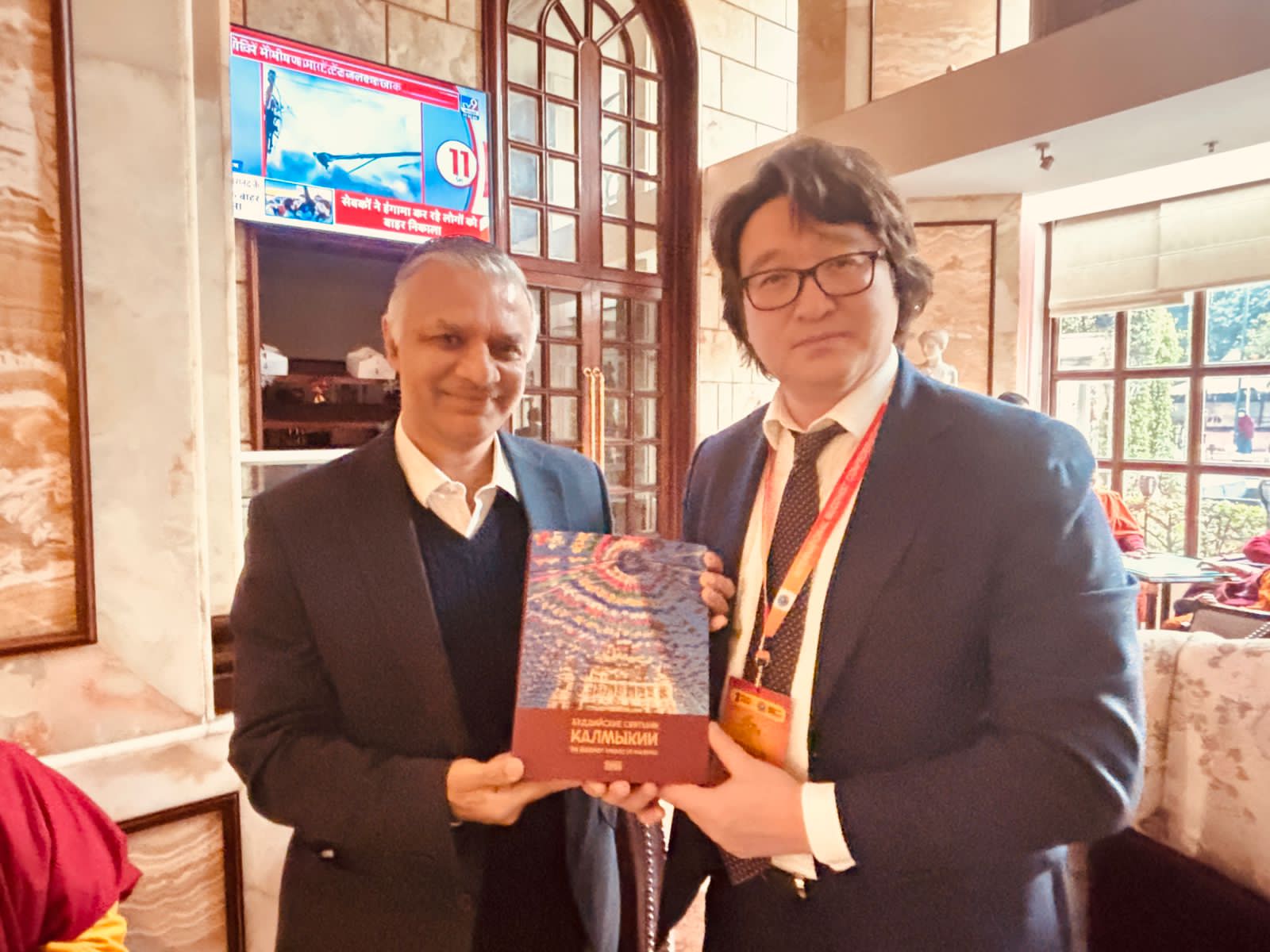
On the sidelines of the summit, Chaturvedi held discussions with a range of international representatives, including H.E. Mr Dzgambinov Ochir Vladimirovich, deputy head of government of the Republic of Kalmykia in Russia; H.E. Dr Khy Sovanratana, secretary of state in Cambodia’s ministry of foreign affairs; and Most Ven. Dr Thich Nhat Tu, standing vice-chancellor of Vietnam Buddhist University. Conversations also covered the possibility of new memoranda of understanding aimed at strengthening academic and institutional cooperation.
Reflecting on Nalanda’s historic significance, Chaturvedi said the ancient seat of learning had long been a centre of Buddhist dialogue and exchange. “Such global engagements offer us a valuable opportunity to reconnect this timeless legacy with contemporary challenges, and to strengthen cooperation in the pursuit of peace, coexistence and shared human values,” he said.
The summit provided a common platform for political leaders, monastic representatives and scholars to deliberate on present and future issues from a Buddhist perspective. Nalanda University’s participation, organisers said, highlighted its ongoing commitment to fostering international dialogue, research and collaboration rooted in the Buddhist intellectual tradition, while engaging with the demands of the modern world.