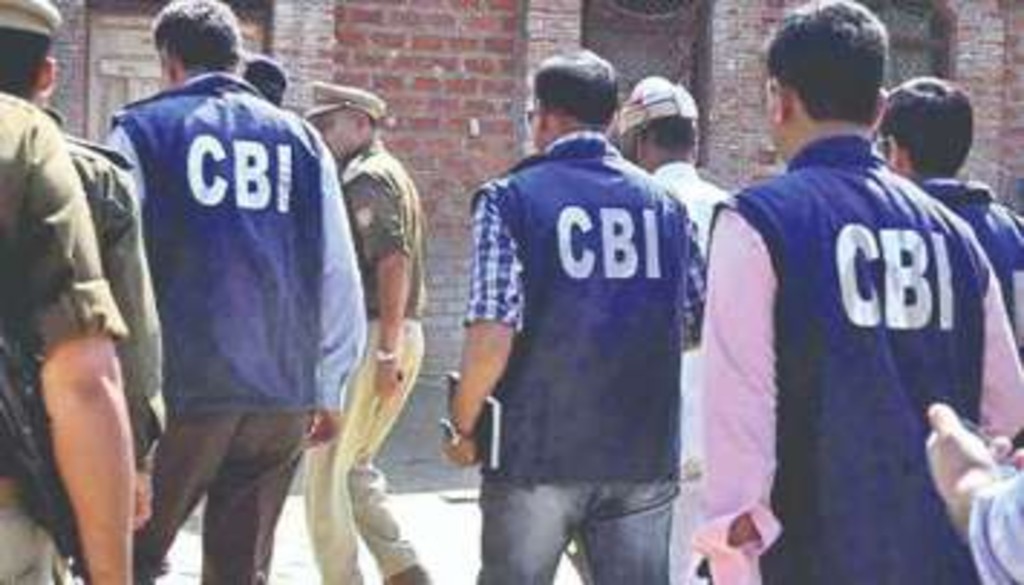
Patna: A Central Bureau of Investigation (CBI) team arrived at Shambhu Girls Hostel in Patna to probe the rape and murder of a NEET student, accompanied by the Special Investigation Team (SIT) and the case officer, Secretariat SDPO Dr. Annu.

The team first entered the room where the student had lived, conducting a detailed search, while also inspecting the hostel’s entry and exit points. The SIT is briefing the CBI on CCTV footage, and the federal investigators are treating the hostel as a crime scene, seeking to reconstruct the victim’s movements: how she arrived, the point at which she disembarked from transport, her entry into the hostel, the onset of her illness, and subsequent transfers for medical attention.
The hostel is located in a densely populated area, with houses behind it, shops in front, and a busy link road nearby, presenting additional challenges for the investigation.

The CBI investigation follows a recommendation from the Bihar government on January 31, which was approved by the Union Home Ministry twelve days later. A case was registered in Patna on February 12, with ASP Pawan Kumar Srivastava assigned to oversee the inquiry.
Challenges Ahead for the CBI
Investigators face several hurdles, including the passage of time, which may have weakened physical evidence, overwritten digital data, and inconsistent witness accounts. Reconstructing the case is expected to be a complex process.
The CBI must also address shortcomings in the SIT’s investigation. Initial errors in crime scene management, sample collection, and timeline documentation could be exploited by defence lawyers, making it essential for the federal agency to demonstrate a fair, scientific approach.
Restoring the trust of the victim’s family and witnesses is another critical challenge. Reports of intimidation and pressure have already emerged, and investigators will need to ensure their protection to secure candid testimonies.
Finally, integrating medical reports from the postmortem, the Forensic Science Laboratory (FSL), and AIIMS will be a delicate task. Discrepancies in medical findings, CCTV timestamps, call data, and mobile tower records could undermine the prosecution’s case if not reconciled meticulously.
Flaws in the SIT Investigation
The SIT’s early focus on a suicide theory has been widely criticised. Initial hospital observations, postmortem signs of struggle, and FSL reports did not support suicide, yet the investigation began with this assumption, narrowing its scope and potentially overlooking crucial evidence.
DNA evidence was treated as decisive, but after 18 samples failed to match, the investigation stalled. Meanwhile, evidence from hospital staff indicating sexual assault was incorporated late, weakening its impact. A police press conference prematurely dismissed the possibility of rape, only for the postmortem to later contradict this position.
The victim’s family has also criticised the SIT for focusing disproportionately on them rather than external suspects, which they say skewed the investigation and delayed progress.
As the CBI begins its inquiry, it faces the complex task of reconstructing the case, addressing previous investigative gaps, and navigating the social and legal sensitivities surrounding the tragedy.