Triveni: The Nepal government’s sudden decision to ban 26 social media and internet platforms has created serious problems for people living near the Indian border. Popular apps like Facebook, WhatsApp, Instagram, YouTube and Messenger have been blocked, leaving families unable to communicate easily and tourists unable to use hotel Wi-Fi services.

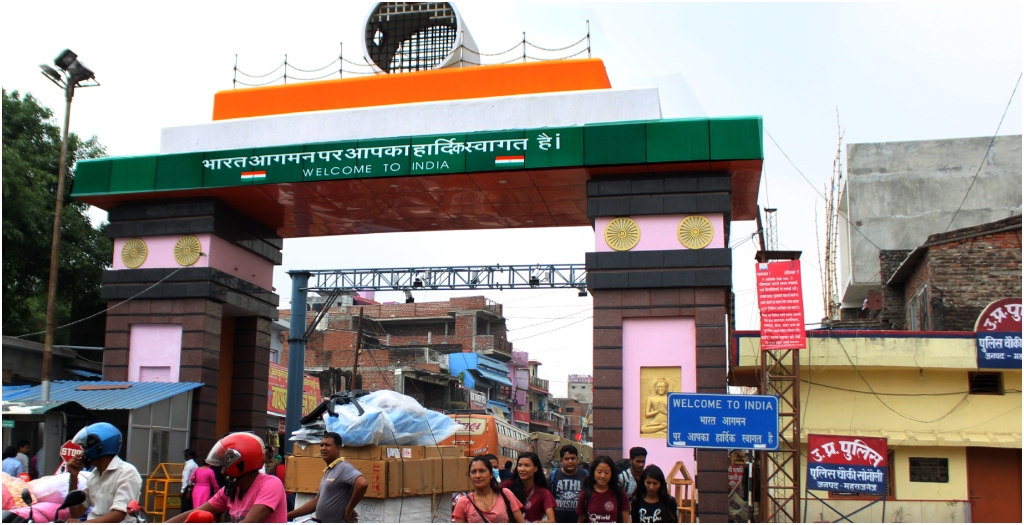
The impact has been sharpest in Triveni, a small but popular town near the Valmikinagar border. Usually, more than 1,000 tourists visit the area daily, but after the ban, only 200 to 300 people are coming. There are about 15 hotels in the town, and many are standing half-empty. “Earlier tourists used to come because they could talk to their families using free Wi-Fi. Now that’s not possible, and the hotels are empty,” said Santosh Nigam, owner of Hotel Heaven. He added that people are being forced to make expensive international calls. A call from Nepal to India costs Rs 5 per minute, while calling from India to Nepal costs Rs 12 per minute.
Hotel owners are deeply worried. Suresh Gupta, who runs Hotel Royal Peace, said the Wi-Fi installed for tourists has become almost useless. Since social media apps don’t work on Nepal SIM cards, Indian guests are facing big problems contacting their families. Another hotel owner, Gyan Bahadur Thapa, said most customers earlier used WhatsApp to confirm bookings and meals. With WhatsApp blocked, hotel reservations have dropped. “If this continues, we may have no option but to use Indian SIM cards to keep our business alive,” he said.

The ban has also triggered anger among young people in Nepal. Protests have been held in many areas, with students and traders demanding that the government restore services. Many argue that the ban may have been imposed for surveillance and security reasons, but doing it without warning or alternatives has badly disrupted people’s daily lives. Locals fear that if the ban continues, not only tourism but also cross-border business between India and Nepal will face long-lasting damage.