Patna: Dengue cases are rising in the district, with 19 new patients detected in the first seven days of August, according to the Health Department. The figure compares with 26 cases reported during the entire month of July.

The total number of dengue infections recorded in Patna district since January has now reached 89.
The rise has prompted the Civil Surgeon’s office to direct government hospitals, urban primary health centres and the Patna Municipal Corporation to increase surveillance and take preventive measures.

Hospitals Asked To Ensure Testing And Treatment
Government hospitals have been instructed to ensure prompt testing of patients suspected of having dengue and provide timely treatment.
The Health Department has also asked hospitals to maintain adequate beds for patients requiring critical care. PMCH, NMCH and IGIMS have been directed to maintain separate wards and treatment facilities for dengue patients.
Blood banks have been asked to ensure adequate platelet availability, while hospitals have been instructed to maintain sufficient stocks of dengue testing kits.
Doctors have been advised to follow established dengue treatment protocols while managing patients.
Hotspots To Be Identified
The Civil Surgeon’s office is preparing a micro-map of areas that recorded a high number of dengue cases in previous years, along with wards where infections have been detected this year.
Health Department teams are also surveying areas around the homes of dengue patients to identify possible mosquito-breeding sites.
Officials said areas reporting continued cases may be declared dengue hotspots. Such areas would receive intensified fogging and larvicidal spraying.
The Municipal Corporation has been asked to strengthen fogging and larvicidal spraying, particularly in areas affected by waterlogging.
Rain And Waterlogging Raise Breeding Risk
Health experts have linked the increased risk of mosquito breeding to continuous rainfall, waterlogging, dug-up roads and potholes where stagnant water can collect.
Fogging and larvicidal spraying in several parts of the city were also disrupted recently during an eight-day strike by Municipal Corporation employees.
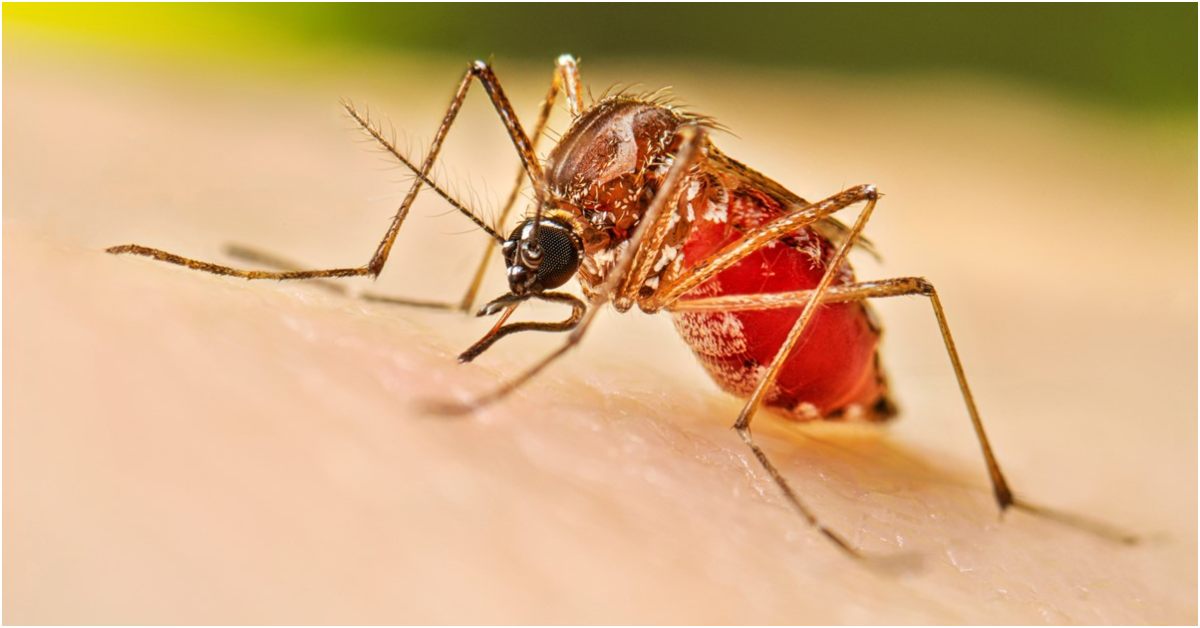
Dengue is transmitted through the bite of infected Aedes mosquitoes. The risk of transmission can increase when mosquito populations rise in areas with stagnant water.
Residents Advised To Get Tested For Fever
Civil Surgeon Yogendra Prasad Mandal has urged residents who develop fever to seek testing at a government or recognised hospital instead of self-medicating.
Common symptoms of dengue include high fever, severe headache, pain behind the eyes, muscle and joint pain, skin rashes, nausea, vomiting, weakness and loss of appetite. Severe cases can involve bleeding from the nose or gums.
Residents have been advised to prevent water from accumulating around their homes by regularly cleaning coolers, flower pots, discarded tyres and water tanks.
Health officials have also advised people to use mosquito repellents and wear full-sleeved clothing, particularly during periods when Aedes mosquitoes are active.