Patna: Patna is about to take another important step in improving its public transport system as the city prepares for the opening of two new metro stations — Malahi Pakri and Khemnichak. Metro officials say that if all safety checks are cleared, train services between these two stations could start in the first week of March. This will mark a big moment for the Patna Metro project, which aims to make daily travel easier, faster and safer for people across the city.

Before any passengers can travel, the project must pass a final safety inspection by the Commissioner of Metro Railway Safety (CMRS). A special team from Delhi will arrive in Patna between February 25 and 28 to carry out this inspection. They will carefully check the metro tracks, signalling systems, platform safety, emergency arrangements and passenger facilities. Only after the team is satisfied that all standards are met will permission be given to start services on this route.
At present, the Patna Metro is running between ISBT, Zero Mile and Bhutnath stations. With the addition of Malahi Pakri and Khemnichak, the route will become longer than six kilometres. This will give people living in East Patna direct access to the metro for the first time. Daily commuters are expected to save a lot of time, especially those who currently depend on crowded buses or slow-moving road traffic.

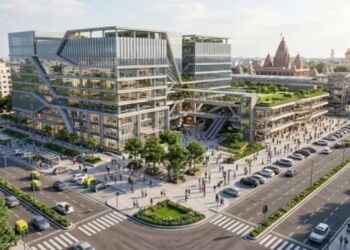
The metro project is also setting up a new administrative base. The Patna Metro office is being shifted from Indira Bhawan on Boring Road to a newly built G+4 storey building inside the ISBT depot complex. This modern office is now fully ready, and all officials will be moved there within the next few days. The new space will help metro staff work more efficiently as the network expands.
Officials will also hold an important review meeting with all construction and service agencies involved in the project. The aim is to solve site-related problems, improve coordination and ensure that work continues smoothly. With more stations coming up, the Patna Metro is expected to reduce traffic congestion, lower pollution levels and encourage more people to use public transport instead of private vehicles.