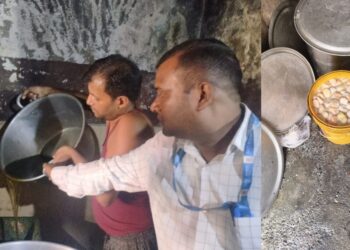

Patna: Patna Municipal Corporation (PMC) has announced a specialised training programme for personnel engaged in fogging and anti-larval spraying as part of its monsoon response to reduce the risk of dengue, malaria and other vector-borne diseases across the city.

According to the civic body, the training follows directions issued by the Municipal Commissioner and is intended to improve the effectiveness and safety of ongoing disease-control operations that are being carried out alongside efforts to tackle waterlogging during the rainy season.
Monsoon Response Extends Beyond Drainage

PMC said it has adopted a multi-pronged strategy to address challenges associated with the monsoon. While drainage operations continue in waterlogged areas, fogging and anti-larval spraying are being conducted in two daily shifts to curb mosquito breeding and limit the spread of vector-borne illnesses.
Officials said the campaign is designed to reduce public health risks that typically increase during prolonged spells of rain and water accumulation.
What the Training Will Cover
The one-day training programme will be delivered by a three-member expert team from the Metropolitan Surveillance Unit.
According to PMC, the sessions will focus on the scientific operation of fogging and anti-larval spraying equipment, the safe and effective use of insecticides, compliance with Standard Operating Procedures (SOPs), and best practices for preventing and controlling vector-borne diseases.
The expert team includes a Public Health Specialist, a Microbiologist and the District Vector-Borne Disease Control Officer.
Officials said the training is intended to equip field personnel with the technical knowledge required to carry out disease-control measures more efficiently and safely.
Zone-Wise Schedule
The training programme will be conducted across Patna’s zonal offices over five days:
July 21: Azimabad and Patna City Zonal Offices
July 22: Patliputra Zonal Office
July 23: Bankipur Zonal Office
July 24: Kankarbagh Zonal Office
July 25: Nutan Rajdhani Zonal Office
According to the Municipal Corporation, personnel deployed in fogging and anti-larval operations from each zone will participate in the scheduled sessions.
Why It Matters
Health authorities have repeatedly emphasised that preventing mosquito breeding remains one of the most effective ways to limit outbreaks of diseases such as dengue and malaria during the monsoon.
PMC said the training programme is expected to strengthen the capacity of its field workforce and improve the implementation of vector-control campaigns across the city. The civic body is expected to continue drainage, fogging and anti-larval operations throughout the monsoon season as weather conditions require.