
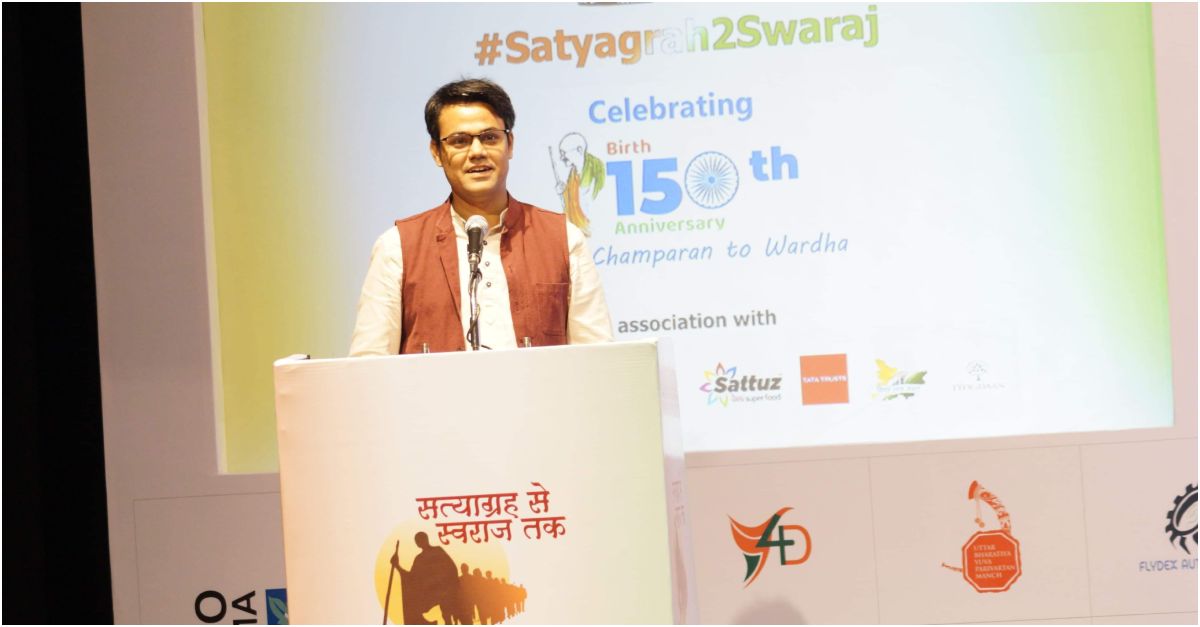
Patna: Ravi Kumar’s journey from a schoolboy in a Kendriya Vidyalaya in Bihar to the co-founder of a defence-focused travel and services platform began with a simple observation: everyday logistics for India’s armed forces were unnecessarily difficult.

Raised in a family with close ties to the military, Kumar grew up hearing about the realities of service life from his father, a veteran of the 1971 war. Among the accounts of duty and discipline were more mundane frustrations—particularly the difficulties soldiers faced when travelling on leave, from unreliable ticket availability to last-minute bookings and a lack of tailored support systems.
Those early impressions stayed with him long after he moved into corporate and technology roles, gradually shaping what would become udChalo, a platform designed specifically for defence personnel and their families.

The idea, Kumar has said, stemmed from a straightforward question: why should those serving the country struggle with basic travel arrangements? Existing civilian booking systems, he felt, did not account for the unpredictability of military life, where leave schedules can change suddenly due to deployment or operational requirements.
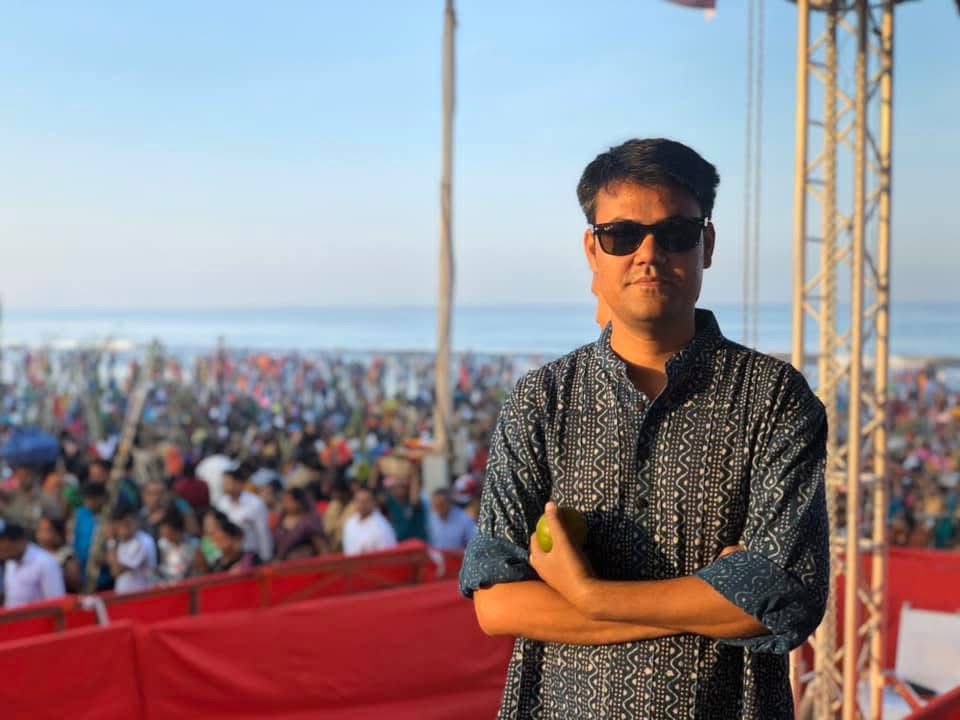
Launched with a focus on discounted and flexible flight bookings for armed forces personnel, udChalo positioned itself in a niche but largely overlooked segment. Over time, it expanded beyond air travel into train bookings, hotels and holiday packages, as well as financial services aimed at the same community.
The company has also moved into housing solutions for defence personnel through its Chawaani initiative, reflecting a broader attempt to build services around the specific needs of military families rather than retrofitting civilian products.
Unlike many consumer startups that pursue rapid scale through aggressive funding rounds, udChalo’s growth has been more measured, built around a defined user base and a problem-first approach. The company claims to have served millions of users from the defence community, with growth driven largely by repeat usage and word-of-mouth within military networks.
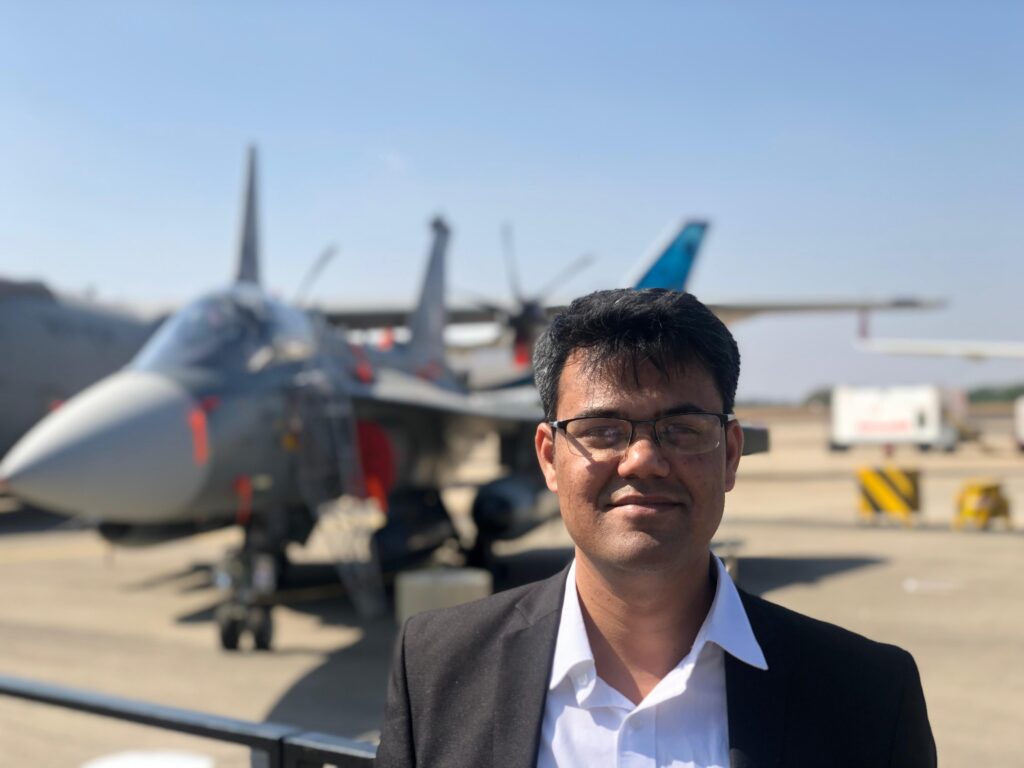
Its trajectory also reflects a wider shift in India’s startup ecosystem, where businesses targeting specific professional or institutional communities are increasingly finding room to grow by focusing on depth rather than mass-market reach.
Despite building a national platform, Kumar’s ties to Bihar remain central to his personal narrative. His story is often cited by supporters as an example of how founders from smaller cities are shaping large-scale digital businesses without severing connections to their origins.
For aspiring entrepreneurs, particularly in states like Bihar, his journey is frequently framed as an illustration of how identifying a narrowly defined problem within a familiar community can evolve into a sustainable enterprise.
At its core, udChalo’s evolution points to a broader theme in India’s tech economy: that innovation is not always driven by scale at inception, but often by proximity to a problem.