Patna: A unique park built entirely from scrap materials is taking shape in Patna, in an ambitious attempt to blend environmental awareness with cultural heritage.

Chief minister Nitish Kumar laid the foundation stone for the project in August 2025, with construction now underway. The park, to be named Dr Rajendra Prasad Bihar Gaurav Park, is being developed as a ‘waste-to-wonder’ attraction inspired by similar initiatives elsewhere in India.
Spread across nine acres between JP Ganga Path (Marine Drive) and the memorial site of India’s first president, the park is being constructed at a cost of Rs 15 crore. Scrap materials for the project have been sourced from Delhi.

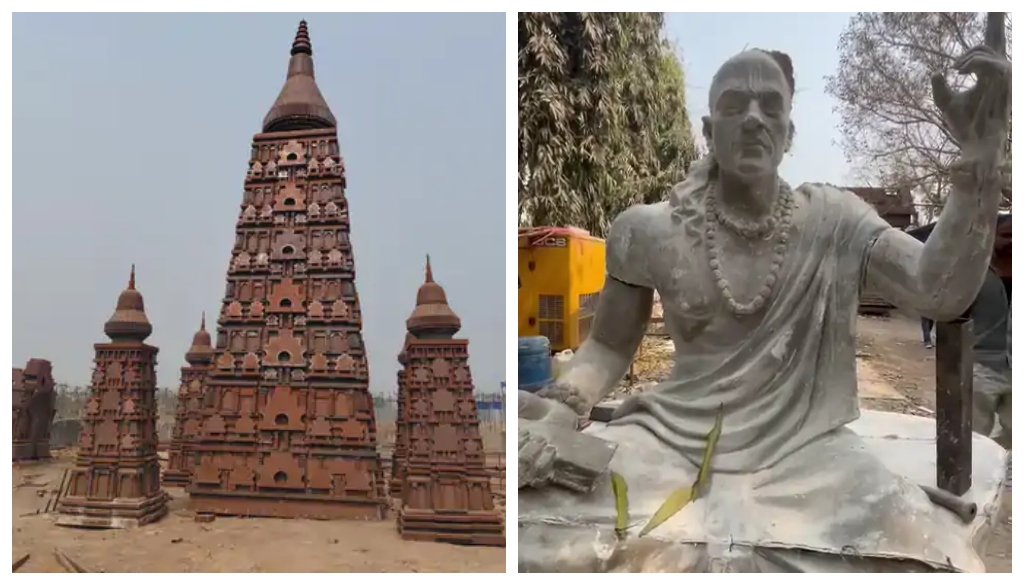
At the heart of the park are large-scale installations recreating Bihar’s historical landmarks, cultural figures and wildlife. A total of 38 distinct artworks are being developed, ranging from monuments such as the Mahabodhi Temple and Nalanda ruins to figures including Chanakya, Emperor Ashoka and Jayaprakash Narayan.
Several major structures — including the Sher Shah Suri tomb, Mundeshwari temple, Vikramshila University and Thave temple — are already close to completion, with officials estimating around 90% of the work finished. Each installation weighs approximately seven tonnes.
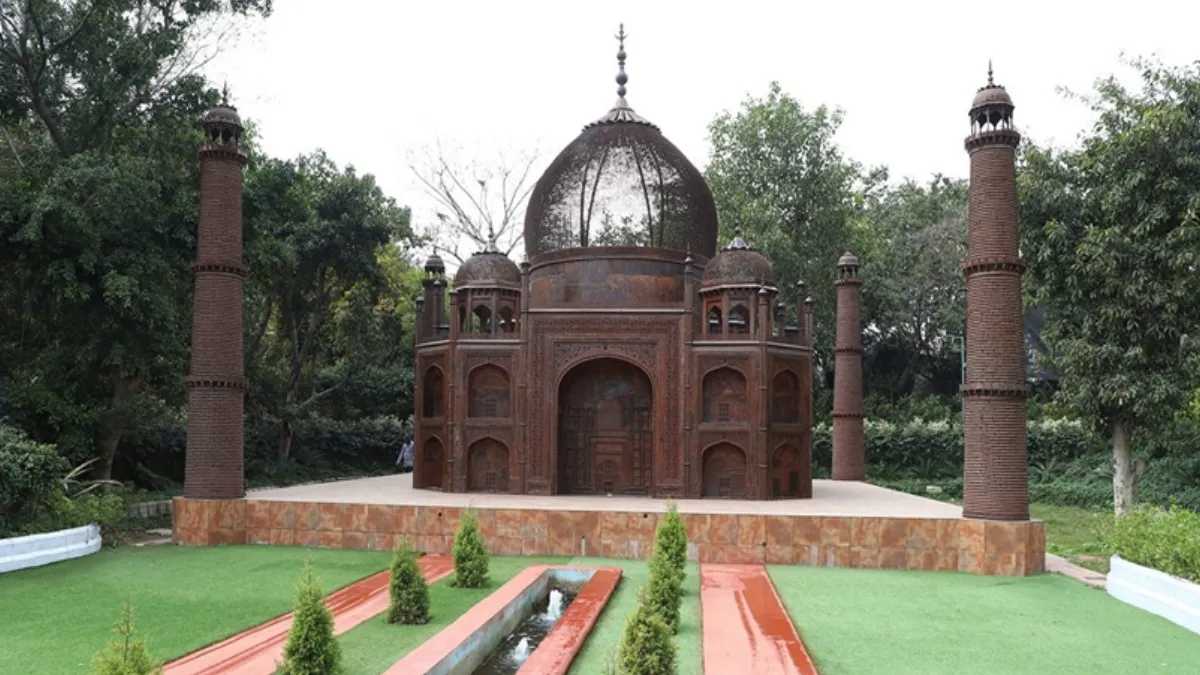
The artworks vary significantly in scale, with the tallest — a memorial to Dr Rajendra Prasad — rising to 45 feet, while others range between four and 36 feet. The park will also feature representations of Bihar’s biodiversity, including the Gangetic dolphin, Bengal tiger and Indian bison.
The project is being executed by the Bihar Urban Infrastructure Development Corporation (BUDCO), with a target completion date of September 2026.
Artists from Gujarat and Odisha have been engaged for the project. While artisans from Gujarat are crafting the scrap-based installations using materials such as discarded tyres, metal waste, broken pipes and electronic components, sculptors from Odisha are working on statues within the park.
Beyond its visual appeal, the initiative is aimed at promoting environmental consciousness and reinforcing the principles of the Swachh Bharat Abhiyan. The park will also incorporate traditional art forms such as Madhubani, Manjusha, Tikuli and Sujani in its design, particularly across boundary walls and public spaces like the food court.
Officials say the project is intended not only to enhance urban aesthetics but also to demonstrate the potential of recycling and sustainable design in public infrastructure.