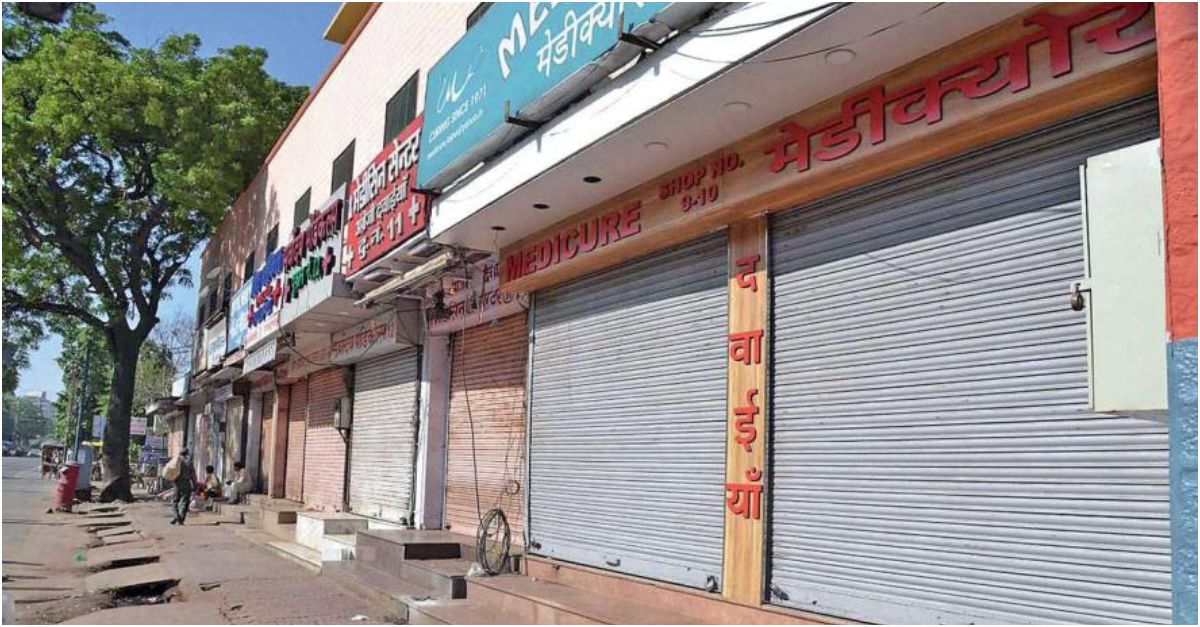
Patna: A nationwide strike by pharmacists and drug traders on Wednesday led to the closure of more than 40,000 medical shops across Bihar, severely impacting medicine availability for patients and their families.

The protest has been called against the online sale of medicines and provisions of the Central Government’s new drug policy. Wholesale and retail pharmacy associations have joined the shutdown, disrupting supply chains in several districts.
Impact at IGIMS Patna

Outside the Indira Gandhi Institute of Medical Sciences, several pharmacies remained shut, forcing patient attendants to face difficulties in arranging prescribed medicines.
Attendants expressed concern over the sudden unavailability of drugs, particularly for admitted patients who require immediate treatment.
One attendant said patients were already under treatment and questioned how essential medicines would be arranged during the strike period.
Reason Behind the Strike
Drug traders and pharmacists have raised concerns that the growing reach of online pharmacy platforms is creating financial pressure and threatening the viability of traditional medical stores.
The Bihar Chemists and Druggists Association and the Patna Chemists and Druggists Association have extended support to the protest and urged members across the state to participate in the shutdown.
Jan Aushadhi Kendras Remain Operational
Amid the strike, the Pradhan Mantri Bhartiya Jan Aushadhi Kendra (PMBJK) Retailer Association announced that its outlets will continue functioning as usual.
General Secretary Suresh Mittal said the decision was taken after consultations with National President Prashant Singh, stating that uninterrupted access to affordable medicines remains a priority for patients.
The association said shutting these centres could have increased hardship for elderly patients, those with chronic illnesses, and economically weaker sections.
Appeal and Public Impact
The Bihar Chemists and Druggists Association and the Patna Chemists and Druggists Association maintained that the strike is necessary to highlight concerns over policy changes affecting the pharmacy sector.
However, they also acknowledged the potential inconvenience caused to patients and assured that essential medicines may still be available through alternative arrangements where possible.
Healthcare observers noted that prolonged disruptions could strain outpatient services and increase pressure on hospital pharmacies if the strike continues.