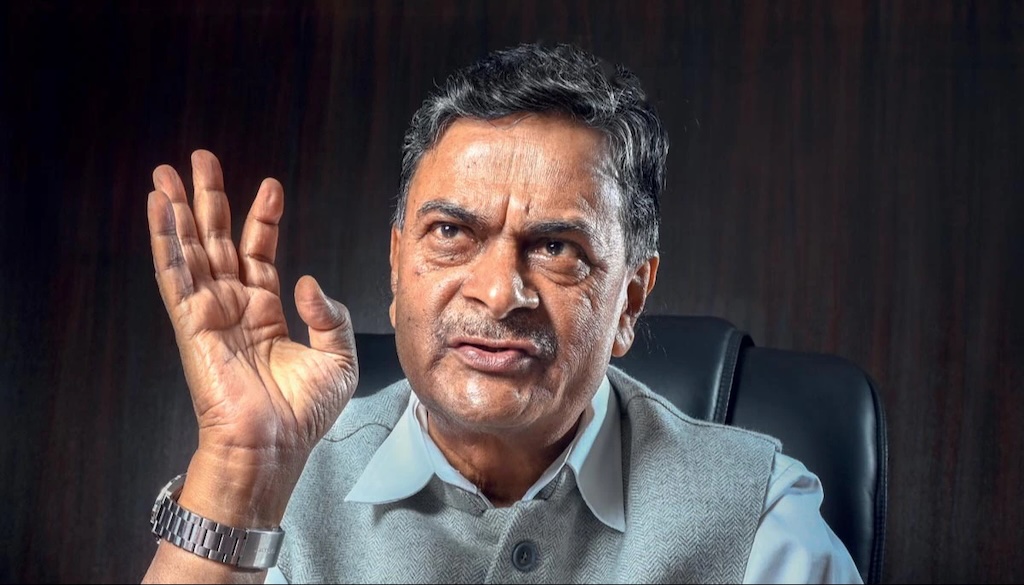
Patna: Former Union minister R. K. Singh has announced plans to launch a new political party in Bihar, marking his return to active politics months after resigning from the Bharatiya Janata Party (BJP).

Singh, a former IAS officer who later served as a Union minister and is now practising law, said the proposed party would focus on Bihar-centric issues and seek to bring in “honest, educated and non-casteist” individuals.
Praise For Modi, Criticism Of State Leadership

While praising Prime Minister Narendra Modi for retaining him in the Union cabinet for several years, Singh sharply criticised Bihar chief minister Samrat Choudhary, questioning his leadership and governance.
He also commented on former chief minister Nitish Kumar, describing his first tenure as successful but alleging widespread corruption in later years.
Plans For New Political Outfit
Singh said the name of the new party would be announced soon and indicated that preparations were underway to formally launch the outfit ahead of upcoming political developments in the state.
He added that his outspoken stance on various issues had led to differences within the BJP, eventually resulting in his suspension and resignation.
Political Journey And Background
Born in Supaul, Singh began his career in the Indian Administrative Service before entering politics. He gained national attention in 1990 for stopping the Rath Yatra led by L. K. Advani in Bihar.
After retiring as Union home secretary in 2013, he joined the BJP and was elected twice as a Member of Parliament from Arrah. He later served as Union power minister in the Modi government.
In the 2024 Lok Sabha elections, Singh contested again from Arrah but lost, following which he publicly criticised party leadership and was subsequently suspended.
Turn To Legal Practice
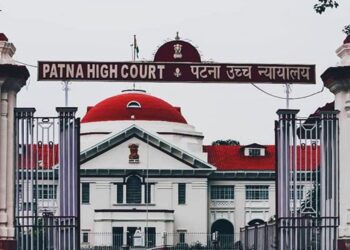
The 73-year-old has also begun practising law and recently enrolled with the Supreme Court Bar Council, sharing images from the Supreme Court of India.
His announcement signals a potential new entrant in Bihar’s political landscape, with attention now on how his party may shape the state’s evolving political dynamics.