Patna: The Satuan festival, also known as Satuani, is a traditional harvest and seasonal celebration observed mainly in Bihar, eastern Uttar Pradesh and parts of Jharkhand. Celebrated every year on April 14, the festival marks the beginning of the solar new year and the arrival of peak summer. Unlike many grand festivals, Satuan is simple in nature, focusing on food, charity and daily traditions that have been followed for generations.

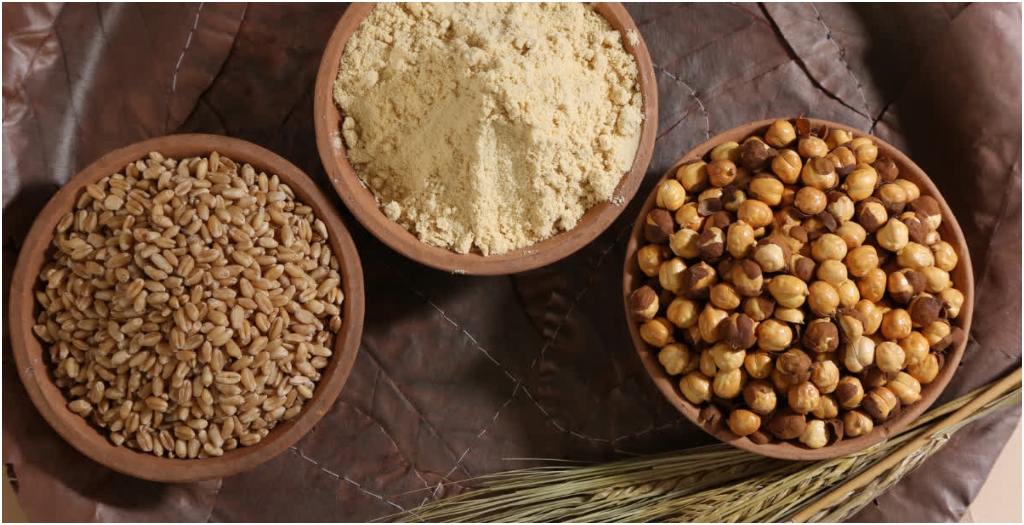
One of the most important aspects of Satuan is the use of sattu, a flour made from roasted gram. On this day, people prepare and eat dishes made from sattu because it helps keep the body cool during hot weather. Along with consuming it, people also donate sattu, raw mangoes, jaggery, grains, clothes and money to the poor. These acts of giving are seen as a way to help others cope with the harsh summer and also as a symbol of kindness and community support.
The festival also has religious importance. It is believed to be the day when the Sun enters the Aries zodiac sign, which makes it an important time in the Hindu calendar. Satuan also marks the end of an inauspicious period known as Kharmas, after which weddings and other ceremonies can begin again. Many people take holy baths, offer prayers and perform charity, believing that these actions bring good fortune and spiritual benefits.

Apart from its cultural and religious meaning, Satuan highlights the importance of traditional food habits. Sattu is considered very healthy as it is rich in protein, fibre and essential minerals. It is easy to digest and provides energy, making it ideal for summer. Popular dishes prepared on this day include sattu sharbat, sattu paratha, sattu bharta and litti. Through these simple foods and traditions, the festival reminds people of the value of staying connected to nature and caring for one another during changing seasons.