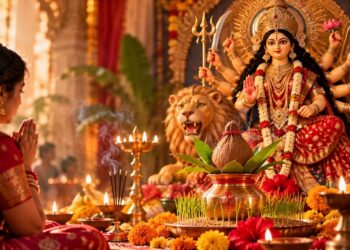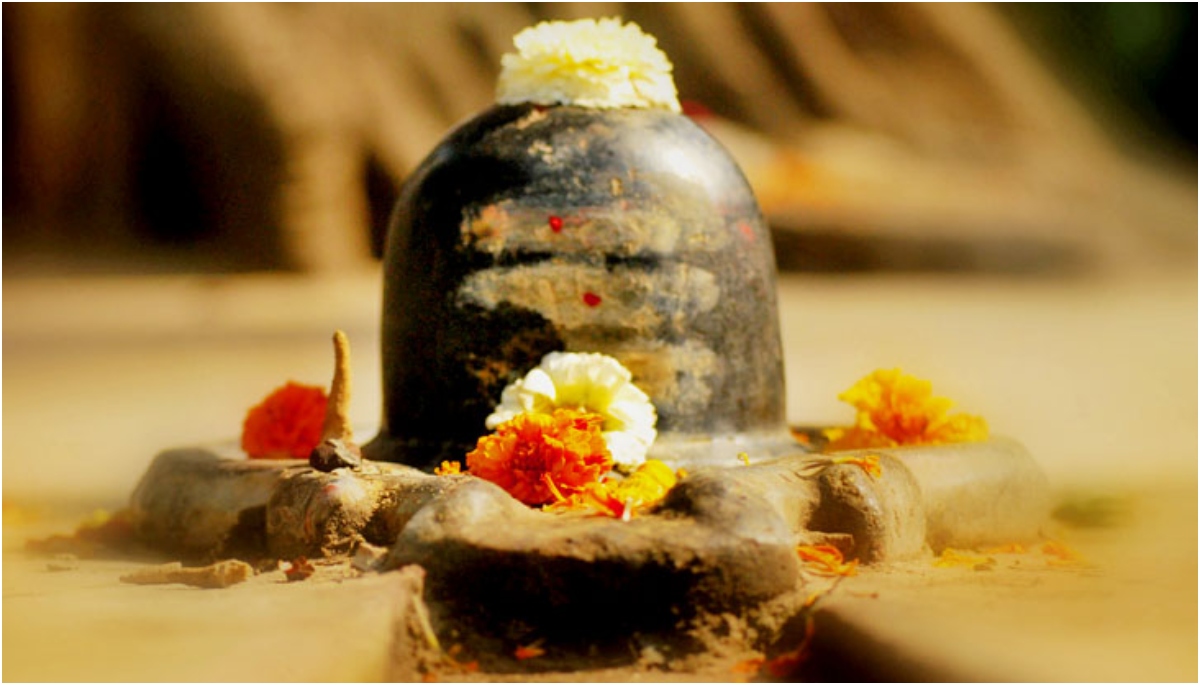
Patna: Devotees across Bihar thronged Shiva temples early Monday as the third Monday of Sawan coincided with Nag Panchami, a rare religious combination that has drawn large crowds for prayers and jalabhishek.

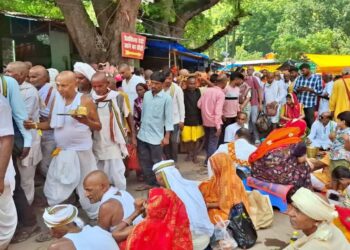
Long queues were reported at several prominent temples, with devotees gathering since the early hours to offer water and prayers to Lord Shiva. In Deoghar, preparations for the third Sawan Monday saw a significant rush of Kanwariyas. The queue reportedly extended beyond Nandan Pahar towards Kumaitha, with the route stretching around 9 to 10 kilometres.
According to astrologer Rakesh Jha, the Panchami tithi of both the Krishna and Shukla Paksha of Sawan is traditionally associated with the worship of Nag Devta. He cited references from the Garuda Purana and said Nag Panchami is associated with reverence, conservation and protection of snakes.

Significance of Nag Panchami
Jha said devotees traditionally worship prominent Nagas including Ananta, Vasuki, Shesha, Padmanabha, Kambala, Karkotaka, Ashwa, Dhritarashtra, Shankhapala, Kaliya and Takshaka.
He said devotees may make snake figures from clay or flour and offer flowers, milk, kheer, lava, incense and lamps as part of Nag Panchami rituals. The festival is traditionally observed to seek protection from snake-related fears.
Some devotees also perform Nag Puja while seeking relief from what is described in astrology as Kaal Sarp Dosha. The mantra “Om Bhujangeshaya Vidmahe, Sarparajaya Dhimahi, Tanno Nagah Prachodayat” is traditionally recited during the worship.
Worship of Goddess Manasa
In several parts of North and Eastern India, Goddess Manasa is also worshipped on Nag Panchami. She is traditionally regarded as the goddess associated with snakes, and her worship is particularly observed in regions including Bengal and Odisha.
Rudrabhishek, or the ritual bathing of the Shiva lingam, also holds significance on the day. According to Hindu religious traditions, Sheshnag is believed to support the Earth, making the worship of Nag Devta particularly significant.
The day is also known in some traditions as Garuda Panchami, when Garuda is worshipped alongside Nag Devta.
Third Sawan Monday considered significant for unmarried devotees
According to Jha, the coincidence of Sawan Somwari and Nag Panchami is considered particularly significant for unmarried devotees in traditional belief.
He said devotees traditionally perform jalabhishek, Rudri recitation and chant “Om Namah Shivaya” while seeking Lord Shiva’s blessings for marriage and personal well-being. Married devotees are also believed to seek blessings for a harmonious family life.
Religious practices such as Shiv Sahasranama, Shiv Panchakshar, Shiv Mahimna, Rudrashtak, Shiv Kavach and Shiv Tandav Stotra are also performed by devotees on Sawan Mondays.
Devotee rush across Bihar
In Patna, a large number of devotees gathered at the Gauri Shankar Temple, with queues extending from the temple premises onto the road. Devotees were seen chanting and participating in religious celebrations.
At Baba Harigiri Dham in Begusarai’s Garhpura, devotees gathered in large numbers for jalabhishek, with chants of “Bam Bhole” echoing across the temple premises.
In Muzaffarpur, devotees began arriving at Baba Garibnath Dham from Sunday afternoon for jalabhishek. Kanwariyas carrying Ganga water from Pahleja Ghat continued to arrive on foot, with long queues reported through the night.
Tourism Minister Kedar Prasad Gupta said a helicopter would shower flowers over Baba Garibnath Temple and other prominent locations in Muzaffarpur at around 8 am on Monday as part of the celebrations.