Patna: Bihar State Disaster Management Authority (BSDMA) has convened a high-level inter-departmental meeting to prepare for an anticipated heatwave season, warning that temperatures in parts of the state could approach 40°C in the coming weeks.

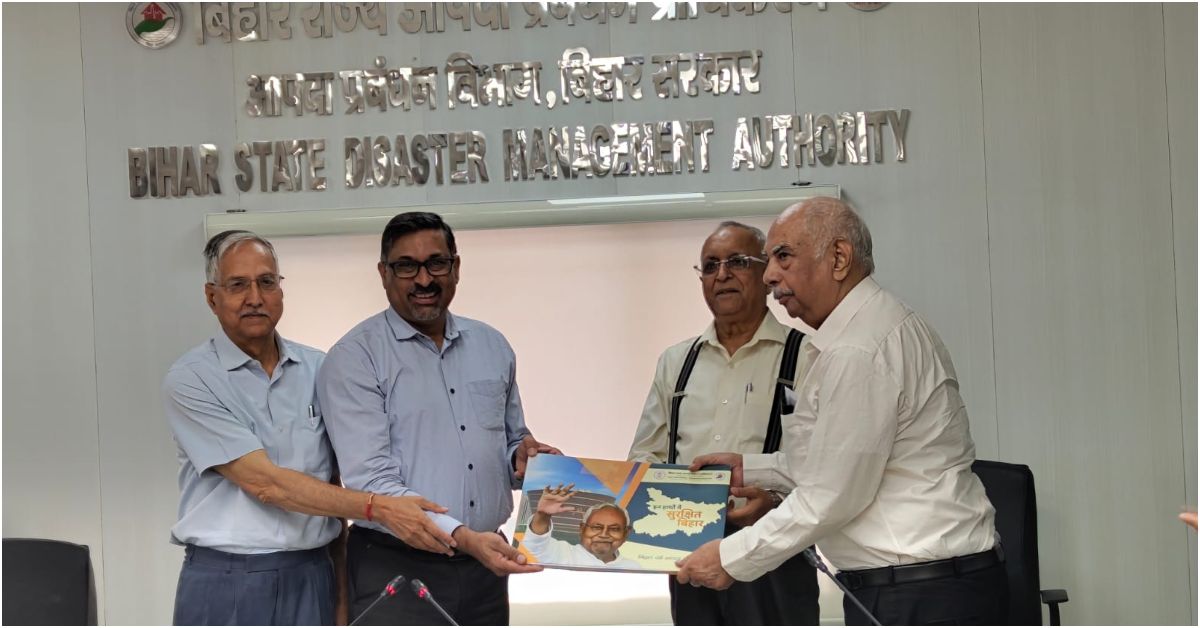
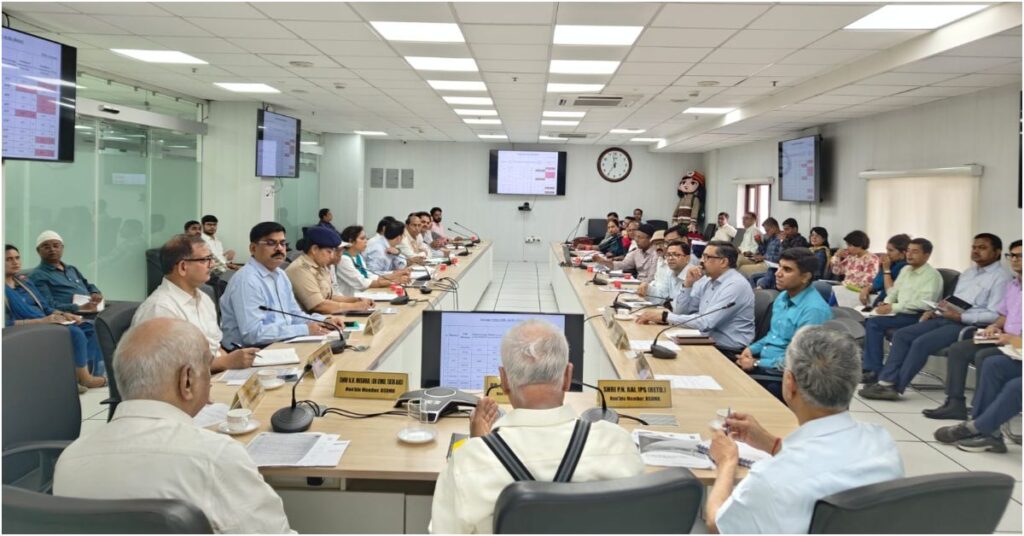
The review, held under the BSDMA, brought together senior officials from departments including health, agriculture, water resources, drinking water, fire services, and rural development. It was chaired by vice-chairman Uday Kant, with members P. N. Rai and Kaushal Kishore Mishra also present. Officials said the aim was to develop a coordinated response to rising temperatures, water stress, and associated health and livelihood risks.
Meteorological assessments presented at the meeting indicated that April temperatures are expected to remain slightly above normal, ranging between 36°C and 38°C in several parts of the state, with southern districts likely to see peaks near 40°C. Officials cautioned that a further spike was likely between April 17 and 23, with May expected to bring more severe conditions, requiring early preparedness measures.

The health department was directed to strengthen systems for identifying and reporting heat-related illnesses, in line with central government guidelines. Officials acknowledged that underreporting remains a concern and proposed a shift towards a digital reporting mechanism, supported by a dashboard linked to the state’s command-and-control infrastructure. Training of frontline workers, including ASHA workers and community volunteers, was identified as a priority to enable early detection of heatstroke cases.
Agriculture officials were instructed to promote heat-resilient farming practices, including the use of suitable seed varieties, moisture conservation techniques, and improved water management. The department also plans to expand awareness programmes at village level forums and address risks linked to stubble burning by encouraging alternative practices.
On water management, officials reviewed the status of hand pumps and rural supply systems, noting that while most are currently functional, demand is expected to rise sharply. Immediate repair of non-functional pumps and third-party verification were ordered, along with identification of water-stressed areas for advance planning. The meeting also discussed conservation measures, water harvesting, and the use of tanker supplies where necessary, as well as coordination over canal-based irrigation systems.
The authority also explored the use of technology, including drones for emergency water delivery in remote areas, alongside expanded use of mobile applications and real-time dashboards. The state’s agriculture app, which reportedly has close to 9,00,000 users, was cited as a potential tool for wider public communication.
Fire safety in agricultural areas was flagged as a growing concern, with officials calling for improved preparedness, faster response times, and targeted surveillance in high-risk zones.
Public awareness campaigns will be expanded through village meetings, street theatre, and community organisations, with disaster volunteers and local self-help groups expected to play a larger role in outreach efforts. Officials stressed the need to educate residents on symptoms of heat-related illness and immediate response measures.
The authority also instructed departments to hold regular district-level reviews and strengthen monitoring and data collection systems. External evaluation mechanisms are also expected to be introduced to verify ground-level implementation.
Departments have been given 15 days to show measurable progress, with the next review meeting scheduled for April 15. Officials said coordinated action across departments would be critical to reducing the impact of extreme heat on public health, agriculture, and water security in the state.