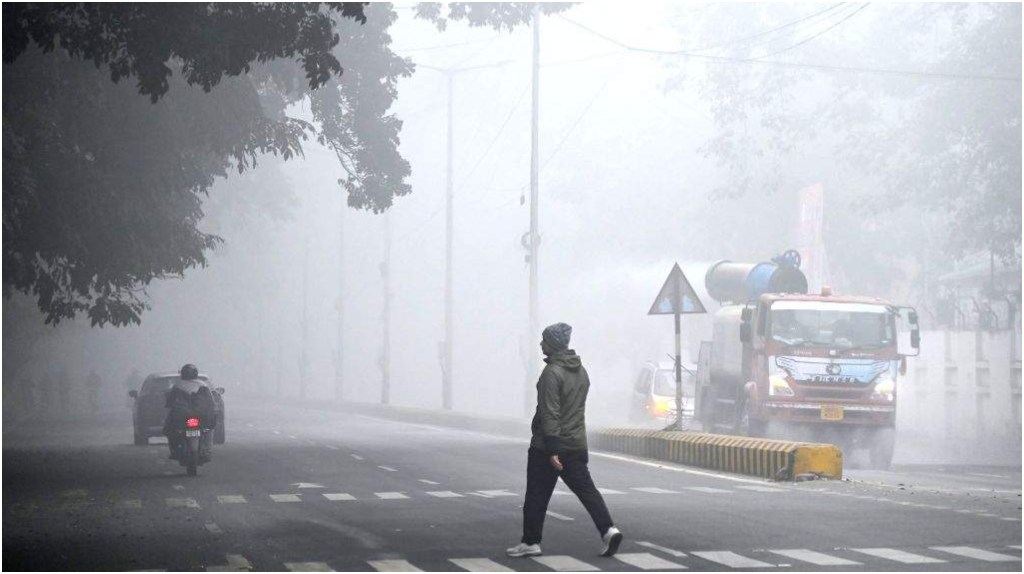
Patna: For more than three weeks, residents of Patna and its surrounding areas have lived under a blanket of fog, cold and persistent cloud cover, with little or no sunlight breaking through. Doctors warn that the prolonged absence of sunshine is fuelling what they describe as a “silent health emergency”: a worsening vitamin D deficiency that weakens the body gradually, often without obvious early symptoms.

Government data underline the scale of the problem. A 2023 survey conducted in government hospitals found that 82% of people tested in Patna district were deficient in vitamin D, with higher rates recorded among urban residents. Nationally, the picture is little better. According to the National Family Health Survey (NFHS-5), about 73% of India’s population suffers from vitamin D deficiency, placing Patna among the most affected cities, on a par with or worse than Vadodara, Surat and Ahmedabad.
Doctors say the condition is particularly dangerous because it is easy to miss in its early stages. “Most patients do not come for testing until they experience fractures, persistent joint and muscle pain, extreme fatigue or frequent infections,” said Dr Gunjan Kumar, a neuro-medicine specialist at Patna Medical College and Hospital (PMCH). In children, symptoms may include rickets, dental decay and delayed development. The cost of testing, which is not routinely included in standard health check-ups, further limits early diagnosis.

Lifestyle changes in the Bihar capital are also aggravating the crisis. Dr B N Chaturvedi, an orthopaedic specialist at Nalanda Medical College and Hospital (NMCH), pointed to the rapid growth of high-rise apartments, smaller living spaces and a lack of open areas, all of which restrict exposure to natural sunlight. “Even indoors, many homes do not receive direct sunlight for most of the day,” he said.
Women who spend most of their time at home and school-going children are among the most affected. Doctors report rising cases of joint pain, muscle weakness and hormonal imbalances among women, while children face risks to bone strength and mental development. In older adults, minor falls are increasingly resulting in fractures, often linked to osteoporosis caused by long-term deficiency.
The prolonged cold and fog have also taken a toll on immunity. Dr Manoj Kumar Chaudhary, associate professor in the department of medicine at the Indira Gandhi Institute of Medical Sciences (IGIMS), said reduced sunlight exposure has further weakened immune responses, leading to a surge in colds, coughs, flu, viral infections and other respiratory illnesses. “Children are particularly vulnerable, as vitamin D deficiency gradually lowers the body’s resistance to disease,” he said.
Mental health effects are becoming more visible too. Persistent bone and muscle pain, weakness and fatigue are contributing to irritability, restlessness and symptoms of depression, according to doctors. Insomnia and difficulty concentrating are also frequently reported.
Health experts warn that unless the issue is addressed promptly, the long-term consequences could include a rise in bone disorders, mental health problems and chronic immunity-related illnesses. They recommend daily exposure to sunlight for 15–20 minutes between 10am and 2pm, with hands, face and feet uncovered where possible. A diet including milk, yoghurt, cheese, eggs, fish and fortified foods can help, while supplements should be taken only on medical advice.
Doctors also advise children, women and the elderly to take special precautions and recommend checking vitamin D levels once or twice a year, particularly for those experiencing frequent fatigue, pain or fractures. As winter fog continues to shroud the city, clinicians stress that sunlight, balanced nutrition and timely medical guidance remain the most effective defences against this quiet but growing health threat.