Patna: Maintaining a regular fitness routine during peak summer can become significantly more difficult as rising temperatures increase the risks of dehydration, fatigue and heat-related illnesses.

Health and fitness experts warn that exercising without adjusting to seasonal conditions can place excessive stress on the body, particularly during periods of extreme heat and humidity.
While some people stop exercising altogether during summer, others continue intense workout schedules without adequate precautions — both of which can negatively affect physical health.

Experts say that with proper planning, hydration and changes in workout intensity, people can continue exercising safely during hot weather.
Best Time To Exercise During Summer
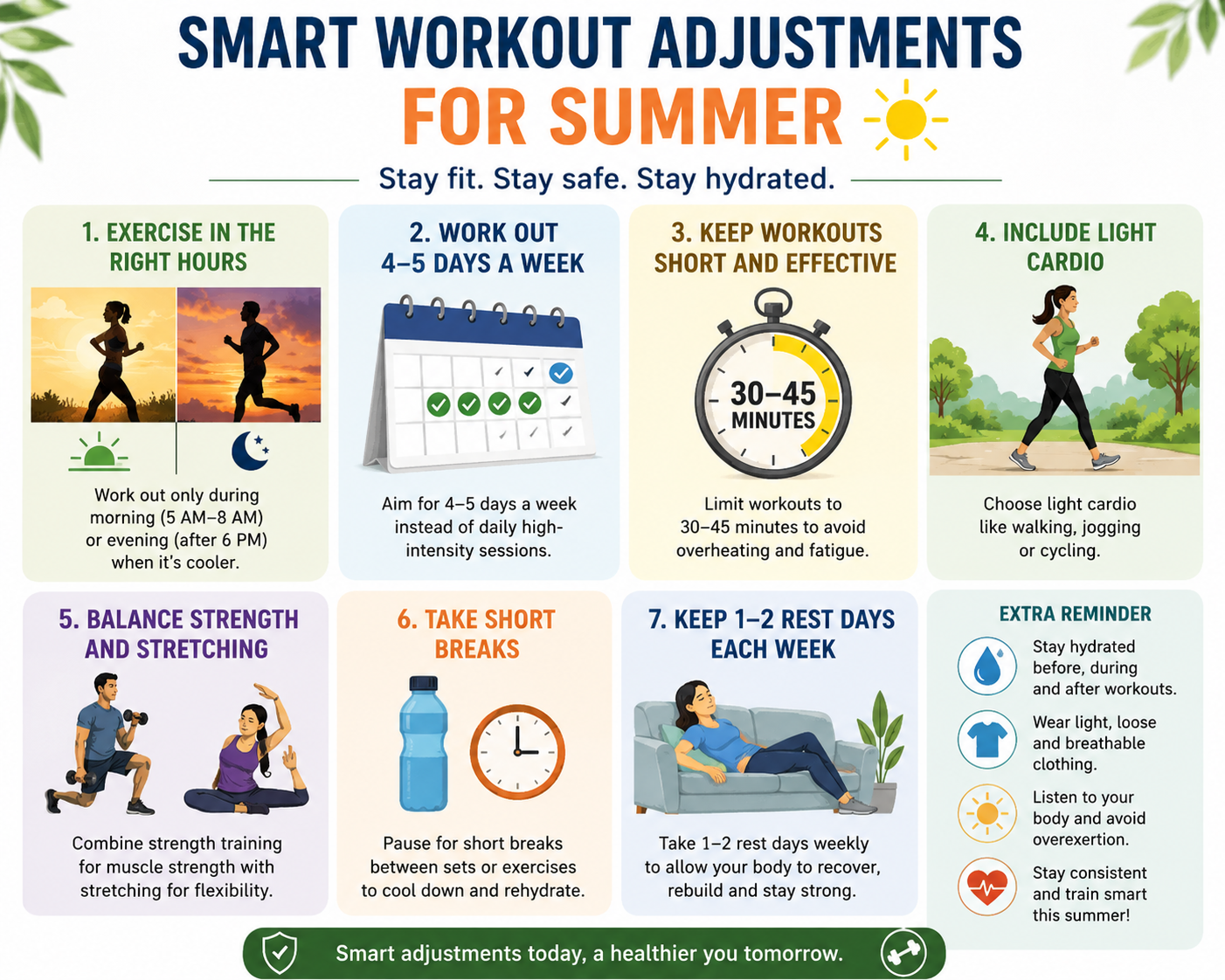
Fitness specialists recommend avoiding workouts during the hottest part of the day.
The ideal workout timings during summer are generally considered to be:
- Between 5am and 8am
- After 6pm in the evening
According to experts, temperatures are comparatively lower during these hours, reducing stress on the body and lowering the risk of overheating.
Morning workouts can also help improve energy levels and freshness throughout the day, while evening exercise may help reduce accumulated fatigue.
By contrast, afternoon workouts — especially during heatwave conditions — can sharply increase the risks of:
- Heat stress
- Dehydration
- Heat exhaustion
- Heatstroke
Why Afternoon Exercise Can Be Dangerous
Doctors say high temperatures during the afternoon can cause the body to overheat rapidly, especially during strenuous activity.
Common warning signs associated with heat-related stress include:
- Dizziness
- Vomiting
- Excessive sweating
- Weakness
- Muscle cramps
Excessive sweating can also lead to the loss of fluids and essential electrolytes, potentially causing serious health complications if hydration is not maintained.
How To Adjust Your Summer Workout Routine
Experts advise keeping workout schedules flexible during summer months and reducing overall intensity where necessary.
Recommended adjustments include:
- Exercising only during morning or evening hours
- Working out 4–5 days per week instead of daily high-intensity sessions
- Limiting workouts to 30–45 minutes
- Including light cardio such as walking or jogging
- Maintaining a balance between strength training and stretching exercises
- Taking short breaks during workouts
- Keeping 1–2 rest days each week for recovery
Fitness trainers say shorter but consistent workouts are generally safer and more sustainable during summer than prolonged sessions.
Low-Intensity Workouts Recommended
Health experts advise avoiding very high-intensity exercise during periods of extreme heat.
They say high-intensity workouts can:
- Raise body temperature too quickly
- Increase the risk of overheating
- Cause excessive sweating and fluid loss
- Put additional strain on the heart
- Lead to faster fatigue
Instead, experts recommend moderate or low-intensity exercise routines during summer.
Hydration And Nutrition Become Critical
Maintaining hydration before, during and after exercise is considered essential during summer workouts.
Experts recommend:
- Drinking 1–2 glasses of water before exercising
- Sipping water every 15–20 minutes during workouts
- Rehydrating immediately after exercise
- Consuming electrolytes to replace lost salts and minerals
Nutrition also plays an important role in preventing weakness and maintaining energy levels.
Recommended pre-workout snacks include:
- One medium-sized banana
- Four to five soaked almonds
Experts advise against exercising on an empty stomach during summer, warning that it may cause dizziness, weakness and rapid energy depletion.
Clothing And Workout Environment Matter
Fitness specialists also recommend choosing:
- Light-coloured clothing
- Loose-fitting attire
- Breathable fabrics
These can help sweat evaporate more easily and reduce body heat retention.
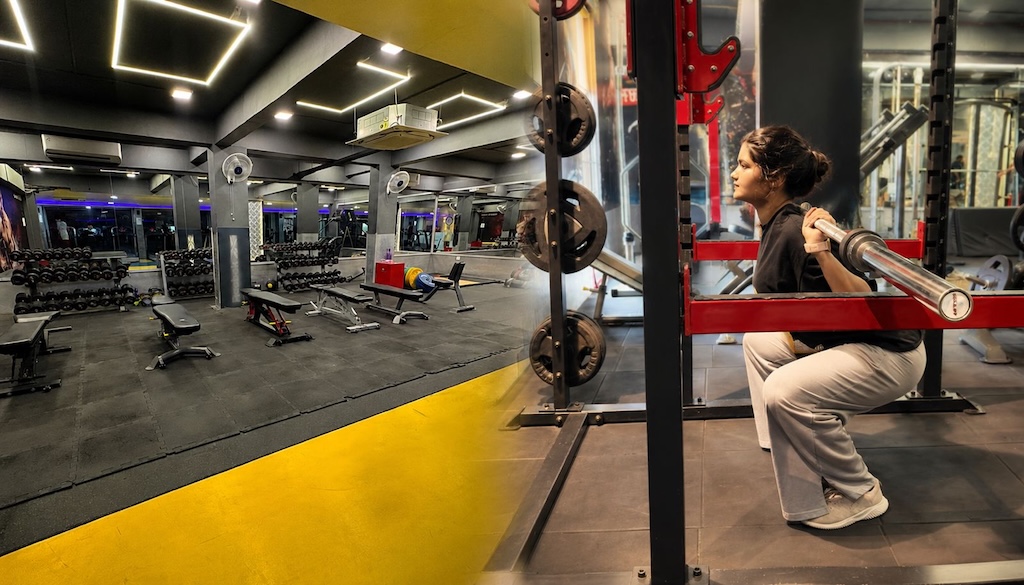
Experts add that poorly ventilated gyms may increase discomfort and heat stress during summer.
In such situations, exercising at home or in a cooler, well-ventilated environment may be safer.
Warning Signs Should Not Be Ignored
Doctors caution that symptoms such as dizziness, unusual fatigue and excessive sweating during exercise should never be ignored.
They advise stopping workouts immediately if signs of overheating appear and seeking medical attention if symptoms worsen.
Experts say the key to staying fit during summer lies not in avoiding exercise altogether, but in adapting routines intelligently to changing weather conditions.