Saharsa: The Indian government has announced a major overhaul of its regional air connectivity programme, committing Rs 28,840 crore under an expanded version of the UDAN scheme aimed at improving access to remote areas.

The scheme, formally known as Ude Desh Ka Aam Nagrik (UDAN), will see an allocation of around Rs 12,159 crore between 2026-27 and 2035-36 for the development of 100 new airports across the country, in partnership with state governments.
Launched in 2016, the original UDAN scheme has so far operationalised 663 routes across 95 airports, heliports and water aerodromes, facilitating more than Rs 3.41 lakh flights and benefiting over 1.62 crore passengers.

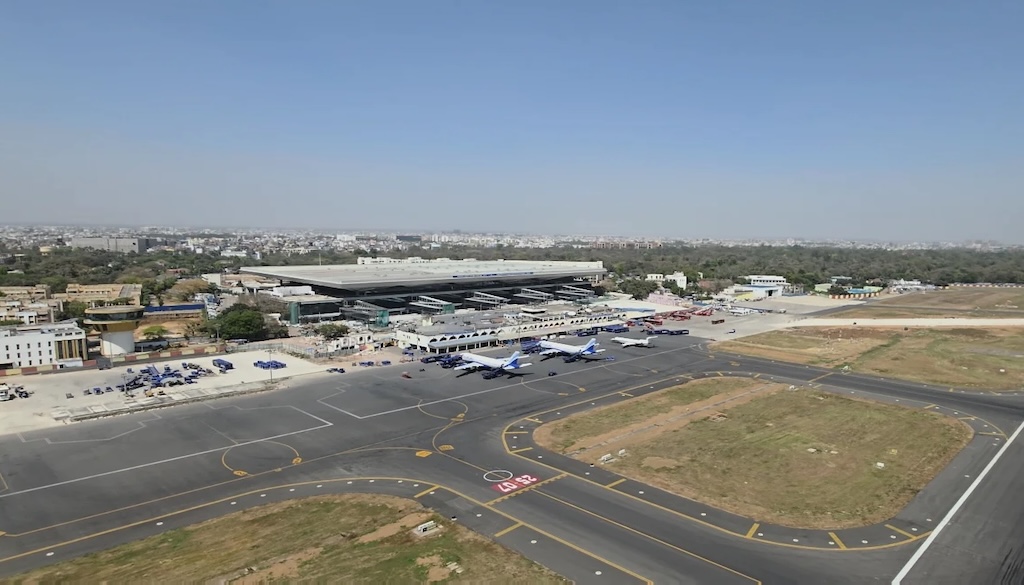
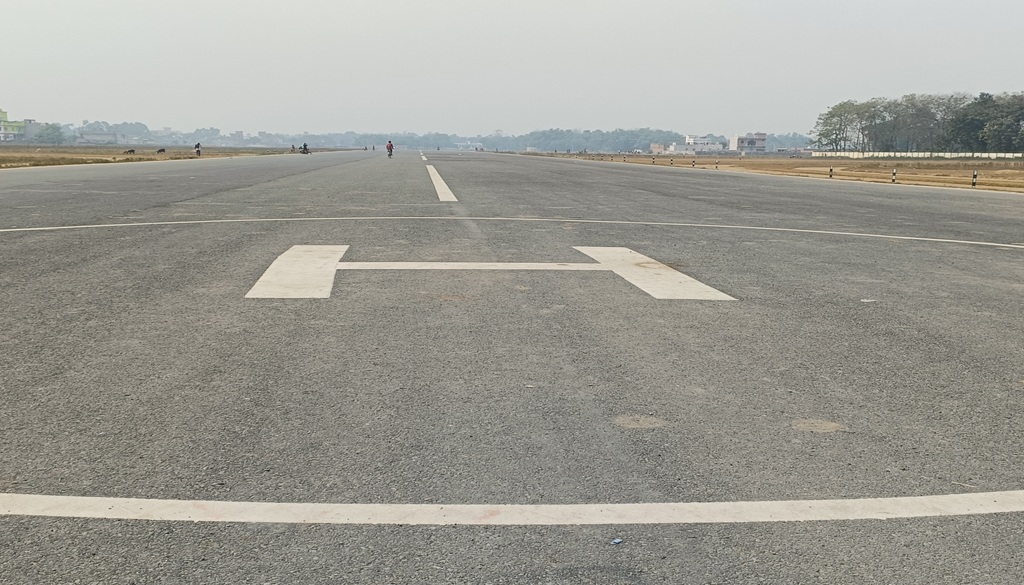
As part of the renewed push, Saharsa airport is expected to be among the facilities to see significant upgrades, raising hopes of imminent air connectivity for the region.
Authorities have already conducted a public hearing on land acquisition for runway expansion in Nariyar Mouza. The project initially required 12 acres of land, with Rs 147 crore allocated in the Bihar budget for 2026-27. Following technical recommendations, an additional three acres is now being acquired to facilitate operations.
The expansion will increase the airport’s total area to around 77 acres and extend the runway from 854 metres to 1,121 metres, enabling the operation of 19-seater aircraft in the first phase.
Officials said the land acquisition process is being accelerated, with 67 plots already identified. Further surveys have assessed obstacles such as buildings, mobile towers and trees to ensure safe flight operations.
The development is expected to significantly benefit residents of the Kosi region, including Saharsa, Madhepura and Supaul districts, as well as neighbouring Khagaria, by improving connectivity and reducing travel time.
Plans also include the construction of a terminal building and parking facilities on the northern side of the airport.
Aviation authorities indicated that flight frequency could be increased in future depending on passenger demand, marking a step forward in integrating underserved regions into the national air network.