New Delhi/Patna: A Supreme Court bench led by Justice Surya Kant, hearing pleas against the Special Intensive Revision (SIR) of Bihar’s electoral rolls, cautioned counsel Abhishek Manu Singhvi against characterizations that paint the state in a negative light, remarking “let us not project Bihar this way” while assessing claims of mass exclusions and administrative irregularities. The bench, which also includes Justice Joymalya Bagchi, indicated that the SIR framework appears “voter-friendly,” noting that electors may establish eligibility with any one of 11 permissible documents—more than the seven typically accepted during a summary revision—signaling inclusion rather than exclusion in principle.

Singhvi, representing petitioners challenging the June 24 directive for SIR ahead of Bihar’s assembly polls, contended that despite a longer list, the availability of some documents remains limited among Bihar’s population, thereby creating practical barriers for vulnerable groups. He questioned the exclusion of Aadhaar and ration cards as conclusive proof and argued that on-the-ground implementation risked arbitrary deletions and insufficient safeguards. The bench responded that the multiplicity of acceptable documents is designed to expand coverage and said it would evaluate the evidence on implementation, reiterating that any one document suffices rather than all.
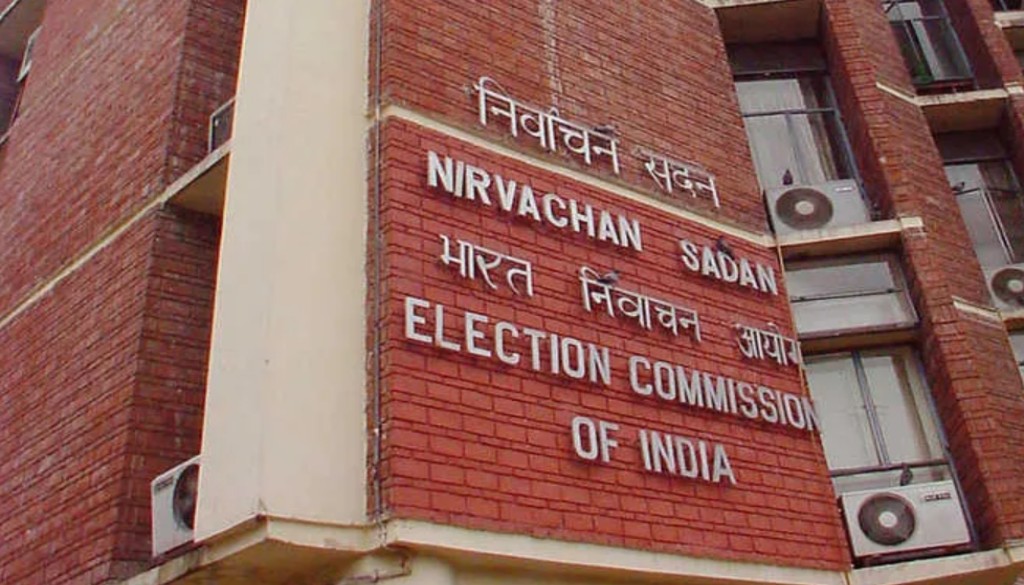
The court has previously underlined that inclusion and exclusion decisions rest with the Election Commission under its constitutional remit, while also stressing due process: no deletion without notice, an opportunity to be heard, and a reasoned order. During the hearing, the bench pressed for clarity on data around proposed deletions and additions, timelines for scrutiny, and the remedies available to voters facing adverse decisions, amid allegations that the exercise disproportionately affects women and marginalized communities.

Justice Kant’s intervention urging restraint in how Bihar is portrayed came amid pointed political claims surrounding the SIR, with petitions also seeking transparency on large volumes of proposed deletions and the criteria used by electoral authorities. The bench indicated it would not entertain broad-brush narratives but would focus on legality, due process, and voter protection within the framework of the Representation of the People Act and established revision procedures.