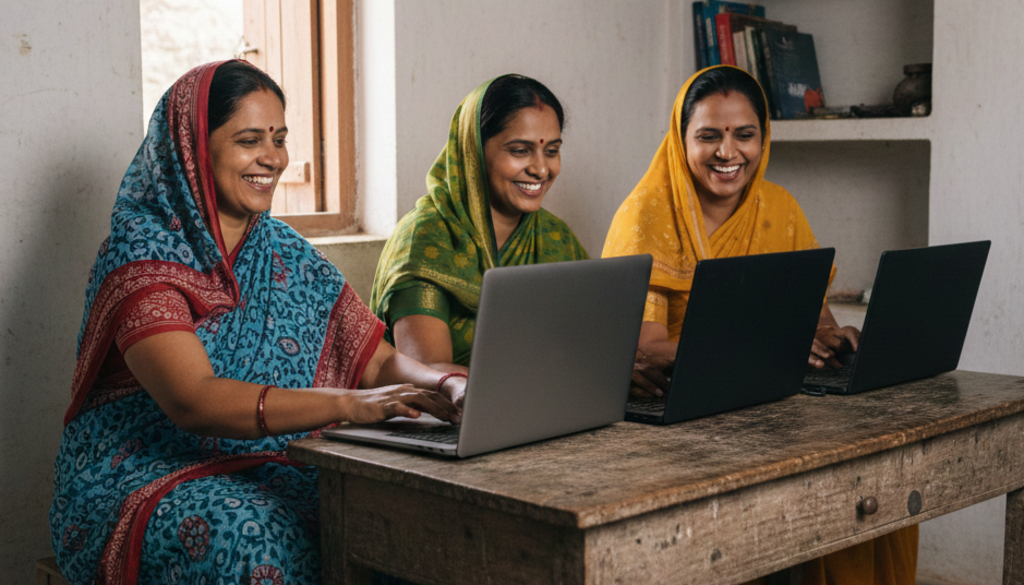
Patna: The Bihar govt has introduced a new initiative to make government services easier to access in rural areas, assigning trained JEEViKA members as “Digital Didi” or “Sakshama Didi”. The role will focus on helping residents complete online registrations for services such as e-registration, marriage certificates and adoption deeds, while raising awareness about digital processes.

The scheme is being launched as a pilot project by the state’s Excise, Prohibition and Registration Department in partnership with the Bihar Rural Livelihoods Promotion Society. Officials say the initiative is aimed at reducing middlemen, travel costs and delays faced by villagers who often depend on government offices in towns and cities.
Priority will be given to JEEViKA women with matric or intermediate qualifications, computer diplomas or technical training. Selected participants will receive equipment including a computer, printer and Wi-Fi, as well as training in online forms, document uploads and fee payments. The goal, according to officials, is to ensure they can both operate services independently and guide villagers through the system.

Bihar has around 15 million JEEViKA members across its districts, with nearly 805 of them working in block-level offices. In addition, 270 Didi Adhikar Kendras currently issue residential certificates and other essential documents. The state hopes the new training programme will strengthen this network and expand digital services further into remote areas.
More than 1,000 women will be selected in the first phase. The government will assess the results before expanding the project statewide. Authorities anticipate that the programme will improve transparency, reduce paperwork and save time for applicants, especially those unfamiliar with digital procedures.
Officials say the initiative could also build trust between rural communities and local administration by offering a reliable contact point for services within the village itself. If successful, the state expects the scheme to help citizens apply for government benefits more independently and increase digital literacy at a grassroots level.