Patna: Members of the Bihar Legislative Assembly will no longer be required to be physically present to submit notices during Zero Hour, following a decision to shift the process online.

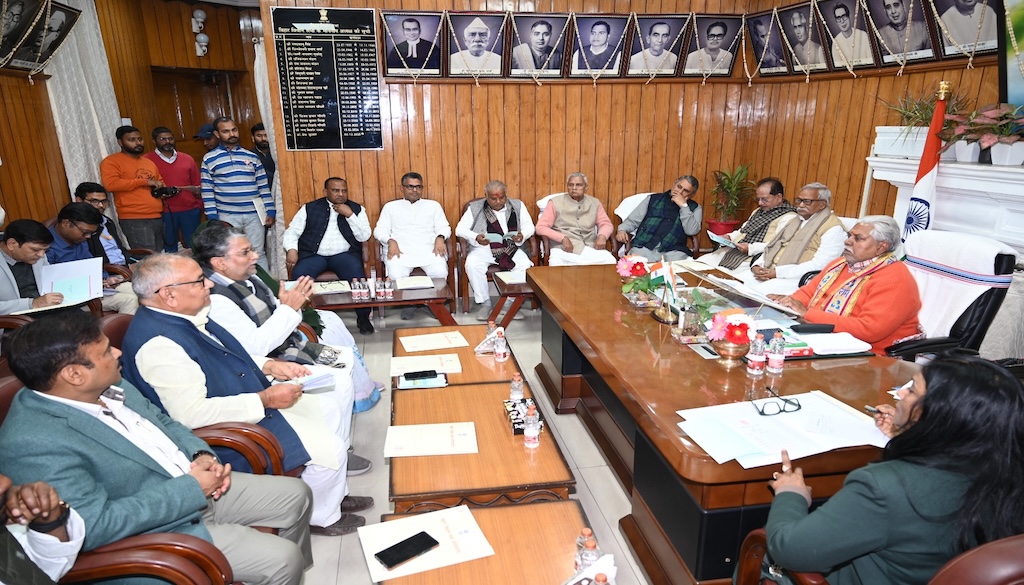
The change was approved at a meeting of party leaders chaired by the assembly speaker, Prem Kumar, on Friday. The proposal, put forward by the speaker, will come into effect from the upcoming budget session from February 2.
Addressing the meeting, Speaker Prem Kumar said the move was intended to make legislative functioning more efficient and to ensure smoother conduct of the session. He expressed hope that the procedural change would help maximise productive time in the house and enable more meaningful discussions on issues of public interest.

The speaker also appealed to both the ruling party and the opposition to cooperate in the peaceful conduct of the session, saying constructive engagement was essential for resolving public concerns through parliamentary debate.
During the meeting, Prem Kumar also announced that a special lecture would be organised on February 7 to mark the foundation day of the Bihar legislative assembly building. The event will be held in the Central Hall and attended by members of both houses.
Invitations have been extended to Lok Sabha speaker Om Birla, Rajya Sabha deputy chairman Harivansh and Union parliamentary affairs minister Kiren Rijiju.
The meeting was attended by deputy chief minister Vijay Kumar Sinha, parliamentary affairs minister Vijay Kumar Chaudhary, deputy speaker Narendra Narayan Yadav, energy, planning and development minister Bijendra Prasad Yadav, and rural development minister Shravan Kumar.
Several MLAs, including Alok Kumar Mehta, Arun Singh, Madhav Anand, Indrajeet Prasad Gupta, Satish Kumar Singh Yadav, Kumar Sarvajeet, Dr Prakash Chandra and Jyoti Devi, were also present, along with officer-in-charge secretary of the assembly Dr Khyati Singh and senior officials of the assembly secretariat.
Officials said the online system for Zero Hour notices was expected to modernise assembly procedures and reduce administrative delays, while preserving the scope for debate on pressing public issues.