Patna: Concerns over potential disruptions in cooking gas supplies have led to a surge in demand for electric cooking appliances across India. The anxiety stems from the ongoing war-like situation in West Asia, which has raised fears about interruptions in the supply of crude oil and liquefied petroleum gas (LPG) to the country.

The impact has already begun to appear in the commercial sector. Several regions are reportedly experiencing a shortage of commercial LPG cylinders, creating serious challenges for restaurants and food businesses. Some establishments have been forced to reduce operations or temporarily shut down due to difficulties in securing cooking gas.
Although the government has reassured citizens that domestic LPG supplies remain stable, uncertainty in the market has begun influencing consumer behaviour. Urban households, which typically rely on LPG cylinders for daily cooking, are increasingly purchasing electric alternatives such as induction cooktops, electric cookers and air fryers as a precaution.

Retailers in cities including Bengaluru and Chennai say sales of these appliances have risen sharply in recent weeks. Electronic stores have seen a surge in customer footfall, while several popular models of induction stoves and other kitchen devices have gone out of stock on major online platforms.
Health experts say induction cooktops can offer certain advantages over traditional gas stoves. The technology heats cookware directly through electromagnetic energy rather than producing an open flame, which reduces heat loss and eliminates the emission of combustion gases indoors. This can improve indoor air quality and lower the risk of respiratory irritation, while also reducing the chances of accidental fires in the kitchen.
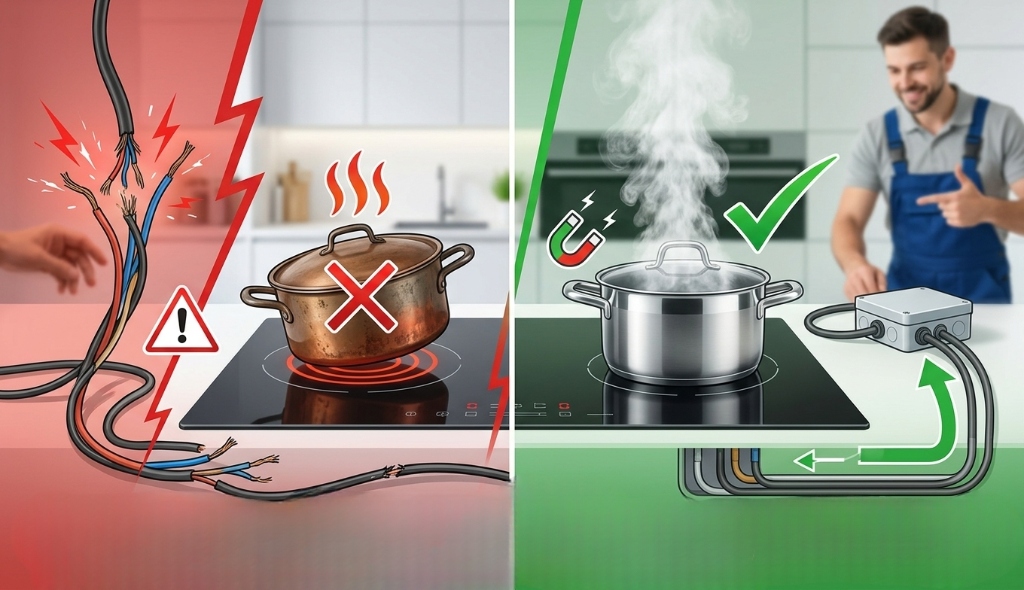
However, induction cooktops require compatible cookware, typically made from iron or specific types of stainless steel. When used correctly, experts say they can match the efficiency of conventional gas stoves and provide a reliable alternative for everyday cooking.
Alongside induction stoves, appliances such as air fryers and electric pressure cookers are also gaining popularity. Air fryers allow food to be prepared with minimal oil, making them attractive for health-conscious consumers, though they may not be suitable for all traditional Indian dishes, particularly liquid-based preparations such as sambhar or rasam. Electric pressure cookers, meanwhile, help reduce cooking time while preserving the nutritional value of ingredients.
Specialists caution that households should ensure their electrical systems can handle the load of high-power kitchen appliances. Proper wiring and avoiding multiple devices on a single outlet are essential safety measures.
Experts also recommend simple cooking habits to conserve energy. Nutritionist Nandita Iyer has suggested that soaking lentils before cooking, using pressure cookers whenever possible and keeping pots covered while cooking can reduce energy consumption by up to 30%, helping households use fuel and electricity more efficiently.