Patna: Residents of Patna continue to face prolonged delays in receiving liquefied petroleum gas (LPG) cylinders, even as officials point to a gradual easing of the supply backlog.

In urban areas, consumers report waiting between 35 and 37 days for a second cylinder, while in rural parts of the district the delay stretches to nearly two months. The shortfall has forced many households to rely on alternative fuels for extended periods, underscoring the gap between official data and lived experience.
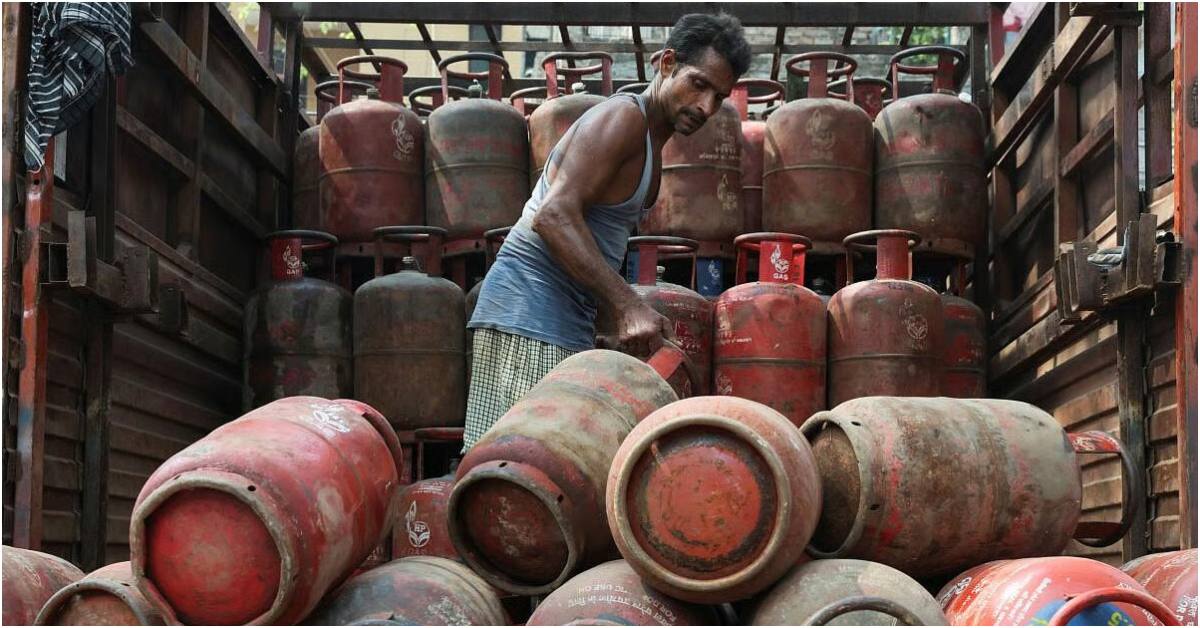
Long queues persist outside gas distribution centres across the city, often leading to disorder despite repeated appeals from the district administration to maintain calm. Data from the District Supply Branch suggests the backlog has begun to decline following an increase in supply and delivery rates, but authorities acknowledge that conditions remain far from normal.

The backlog, which stood at 53,046 cylinders on March 1, surged to 193,355 by March 17 and 18 before easing to 174,280 after intensified efforts by officials. Gas companies have increased average daily supply from 35,000 to more than 42,000 cylinders, while delivery agencies have expanded vendor rounds, raising home deliveries to over 37,000 per day. Even so, consumers continue to face waiting periods of seven to ten days after booking.
Enforcement measures have also been stepped up to curb black marketing. Authorities carried out raids on 11 gas agencies and 30 hotels and restaurants, seizing 27 cylinders and registering a single police case.
The crisis has had a disproportionate impact on low- and middle-income households. Beneficiaries of the Pradhan Mantri Ujjwala Yojana have, in some cases, reverted to using firewood and coal as cooking fuel due to the scarcity.
Efforts to expand access to piped natural gas (PNG) have seen limited uptake. Camps organised by GAIL in recent days provided 141 new connections, though this remains marginal compared with the scale of demand.
Consumer frustration is evident in the volume of complaints. More than 1,300 grievances have been registered on the LPG helpline, with most forwarded to relevant agencies for action.
Inside homes, the shortage is reshaping daily routines. Families are rationing gas use, cutting back on cooking-intensive meals and limiting tea preparation to twice a day. Hosting guests has become a rarity, while dinners are increasingly simplified to basic staples such as flatbread and vegetables.
For many households, a standard 14.2kg cylinder that once lasted close to a month is now being stretched with difficulty. With refills uncertain and delays mounting, the city’s dependence on LPG is being tested in ways that official figures alone fail to capture.