Patna: Malls, hotels, schools and hospitals in Patna will be required to process and dispose of their own waste under new rules introduced by the Bihar State Pollution Control Board, marking a significant shift in how bulk waste is handled in the city.

The directive, aligned with the Solid Waste Management Rules, 2026, places responsibility squarely on bulk waste generators (BWGs), mandating the segregation, processing and disposal of both wet and dry waste within their premises. Authorities say the move is rooted in the “polluter pays” principle, aimed at ensuring accountability among large-scale waste producers.
Institutions unable to manage waste independently must contract agencies authorised by the pollution control board. These agencies will operate as waste processing, recycling, treatment and disposal facilities, according to officials.

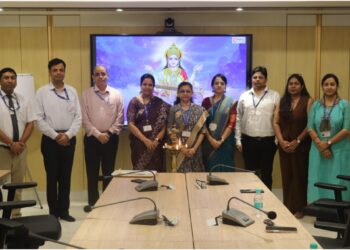
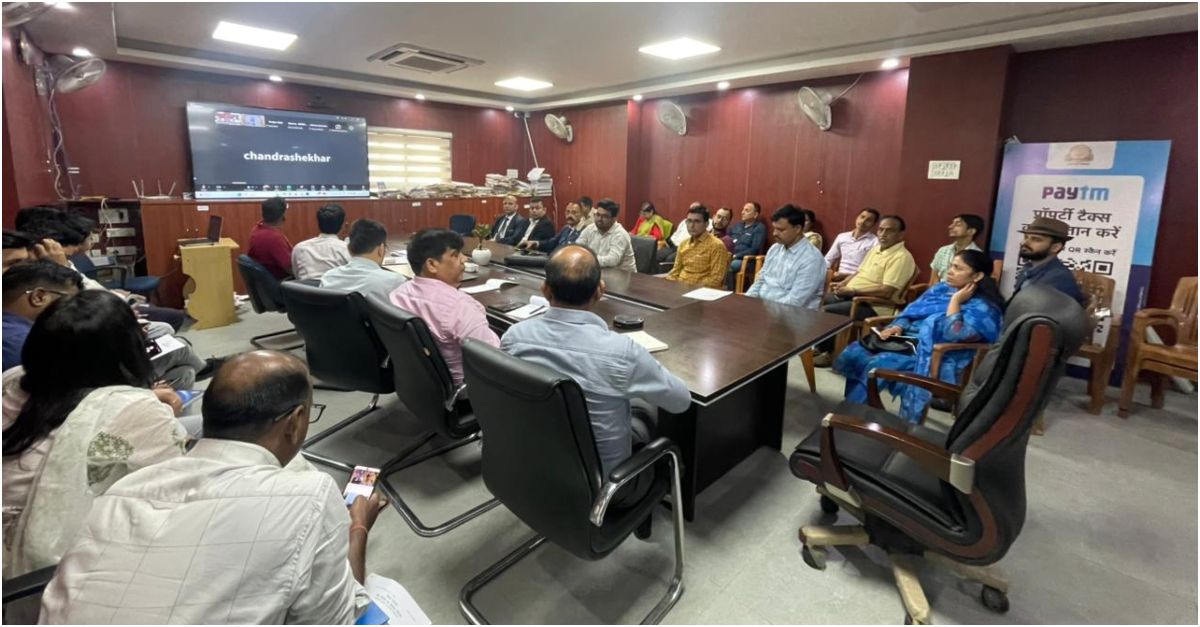
The new framework was outlined during a virtual workshop hosted on Wednesday by the pollution control board in collaboration with the Patna Municipal Corporation. Representatives from various institutions attended the session, where they were briefed on compliance requirements, registration procedures and scientific waste management practices.
Officials warned that stringent penalties would be imposed on entities found dumping, burning or burying waste in public spaces, including roads, drains and water bodies.
A centralised online portal, to be launched by the Central Pollution Control Board by the end of April, will make registration mandatory for all stakeholders, including bulk waste generators, recyclers and disposal units. Authorities said no entity would be permitted to operate without formal registration.
The municipal corporation is also expected to publish a list of authorised agencies on its website, enabling institutions to partner with approved service providers for safe waste disposal. It will continue to monitor compliance and enforce penalties for violations.
Under the revised system, the civic body will limit its role to collecting sanitary and special care waste. The management of dry waste, which it currently collects, will now fall entirely on the institutions that generate it.
Officials say the changes are designed to promote decentralised waste management and reduce the burden on municipal infrastructure, while improving environmental outcomes in the city.