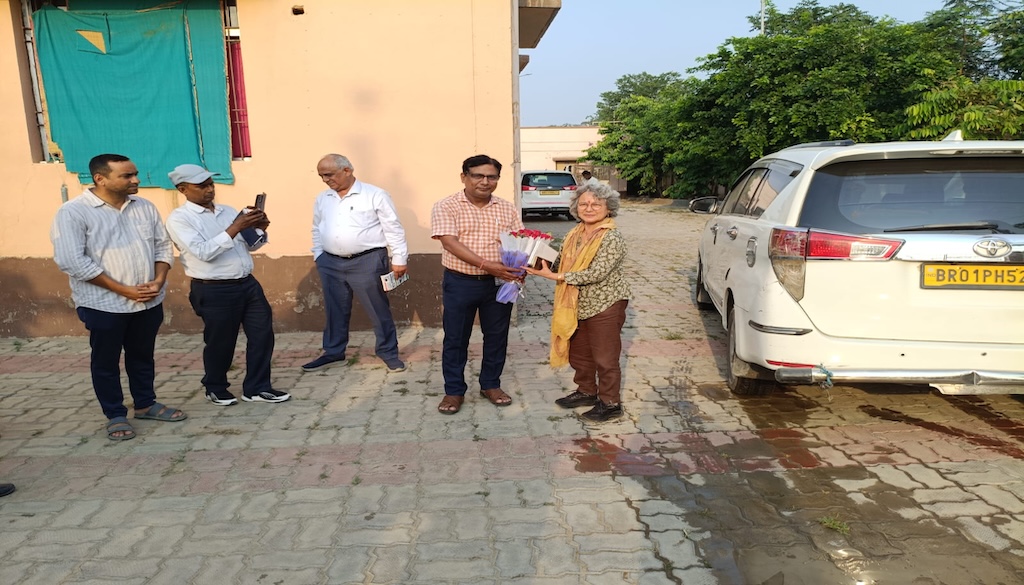
Patna, June 17: A two-member World Bank delegation visited facilities operated by the Patna Municipal Corporation (PMC) at Ramchak Bairia to study the scientific management of animal-generated bio-waste and assess systems related to animal welfare, waste disposal and environmental protection.

The visit formed part of a broader assessment of bio-waste management practices across Bihar. During the inspection, the team reviewed operations at the Animal Birth Control (ABC) Centre, the animal crematorium and the solid waste processing complex, and sought detailed information from municipal officials about the systems in place.
World Bank team examines stray dog sterilisation programme

Officials told the delegation that the Municipal Corporation captures around 40 stray dogs each day from different parts of Patna and transports them to the ABC Centre for sterilisation procedures aimed at controlling the city’s stray animal population.
According to officials, the animals receive veterinary care before and after surgery and are kept under observation for at least four days. Once they have recovered, they are released back to the locations from which they were captured.
The delegation inspected the facility’s laboratory, operation theatre and other sections of the dog hospital. Officials explained the procedures followed for animal treatment, sterilisation, post-operative care and monitoring.
Municipal officials said bio-waste generated during surgeries is collected and transported to an incineration facility operated by the Indira Gandhi Institute of Medical Sciences at Ramchak Bairia for disposal in accordance with prescribed environmental norms.
The World Bank team commended the systems in place for animal welfare and population management, according to PMC officials. Patna Press could not independently verify the team’s assessment beyond statements provided by the Municipal Corporation.
Crematorium uses pollution control technology
The delegation also visited the animal crematorium operated by the Municipal Corporation, where officials demonstrated the infrastructure used for the disposal of animal carcasses.
Officials said the facility is equipped with two electric furnaces capable of scientifically disposing of an average of five to six animal carcasses each day. The cremation of large animals is typically completed within three hours.
The team was informed that the crematorium uses wet scrubber technology to reduce emissions generated during the cremation process. According to officials, the system absorbs gases released during combustion, helping minimise air pollution.
Municipal officials further stated that the ash generated after cremation is buried within the Ramchak Bairia complex using scientific methods. The ash contains minerals such as calcium, phosphorus and magnesium that can contribute to soil fertility.
Solid waste facility processes 1,200 tonnes daily
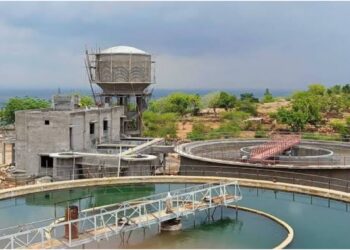
The World Bank delegation also inspected the solid waste management operations at Ramchak Bairia, one of Patna’s primary waste processing centres.
Officials informed the visitors that around 1,200 tonnes of municipal solid waste are brought to the site every day for treatment and processing. The delegation was briefed on projects including legacy waste treatment, bio-remediation, biomethanation, composting and the Material Recovery Facility (MRF).
PMC officials said efforts are underway to reduce accumulated legacy waste while recovering reusable resources through scientific processing techniques. The delegation also reviewed measures intended to improve waste segregation and disposal efficiency.
The visitors reportedly noted the absence of foul odour within the complex despite the volume of waste being processed, according to municipal officials.
Observation recorded in visitors’ book
At the conclusion of the visit, the World Bank team recorded its observations in the facility’s visitors’ book.
According to the Municipal Corporation, World Bank representative Jolly Brood wrote: “We toured the complex and were deeply impressed by the functioning of the Animal Birth Control Center, the laboratory facilities, the waste management system, and the operation of the incinerators. We hope that this institution will continue to maintain such high standards in the future.”
Why the visit matters
The inspection comes as urban local bodies across India face increasing pressure to adopt scientific methods for managing animal populations, bio-medical waste and municipal solid waste while complying with environmental standards.
For Patna residents, effective animal birth control programmes can help address concerns related to stray dog populations, while improved waste treatment systems are aimed at reducing environmental and public health risks associated with improper disposal practices.
The findings and observations from the World Bank’s ongoing assessment of bio-waste management systems in Bihar may contribute to future recommendations on waste management and urban sanitation practices in the state.