Patna: AIIMS Patna has performed its first bariatric surgery in the government sector, marking what doctors described as a significant step forward for public healthcare in Bihar. The procedure brings advanced metabolic treatment within reach of patients who previously depended on expensive private hospitals or travelled outside the state for care.

The surgery was carried out on a 24-year-old woman with morbid obesity, weighing 110kg with a body mass index above 42. She was also living with Polycystic Ovarian Disease (PCOD) and infertility. Doctors said the intervention represents not only a surgical milestone for the institute but also a potential turning point in the patient’s health, offering improved hormonal balance, enhanced fertility prospects and protection against long-term metabolic complications.
Bariatric surgery is widely recognised as more than a weight-loss procedure. Clinicians note that it can significantly reduce the risk of conditions linked to obesity, including diabetes, hypertension, cardiovascular disease, fatty liver, sleep apnoea and degenerative joint disorders. For younger patients, early intervention can prevent decades of chronic illness, reduce dependence on medication and improve mobility, productivity and psychological wellbeing.

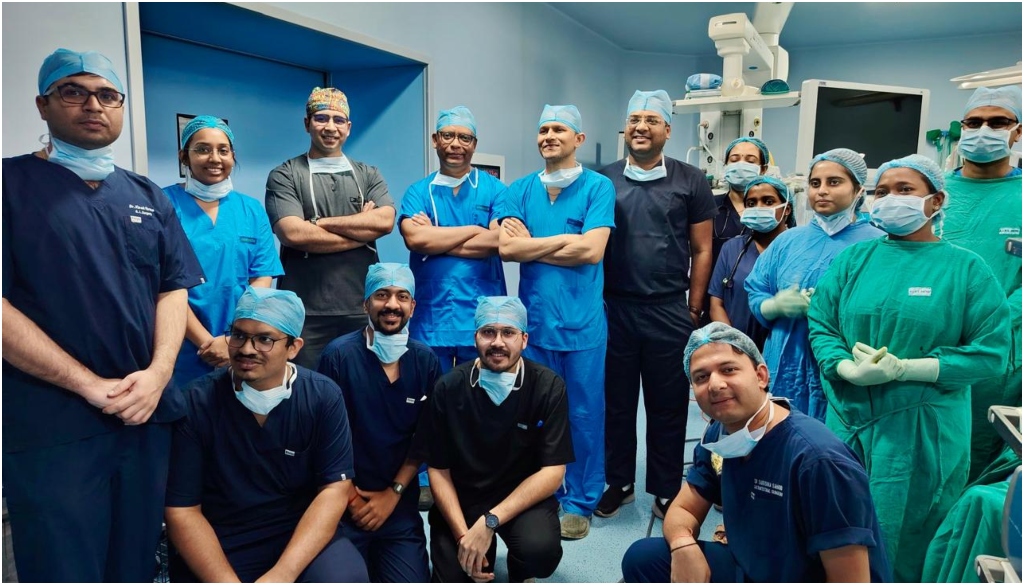
The procedure was led by Prof Dr Utpal, Dr Basant and Dr Kunal, under the mentorship of Dr Nirupam Sinha of Netaji Subhas Medical College and Hospital. Hospital officials said the surgery was delivered at a comprehensive and economical cost within the government healthcare system, substantially lowering financial barriers and reinforcing equitable access to super-specialty services.
Given the high-risk profile associated with bariatric patients — including difficult airway management, reduced lung compliance, obstructive sleep apnoea and increased cardiovascular stress — the department of anaesthesiology and critical care played a pivotal role. Led by Dr Neeraj, associate professor, the team undertook detailed perioperative planning, advanced airway preparedness, vigilant intraoperative monitoring and preventive measures against thromboembolism, alongside optimised postoperative respiratory care.
Prof Dr Umesh Bhadani, head of anaesthesiology, commended the team’s coordination in managing the complex case. The executive director of AIIMS Patna, Prof (Brig) Dr Raju Agarwal, said the introduction of structured bariatric and metabolic surgery within the public system marked a strategic expansion of advanced healthcare services in Bihar.
The institute now plans to establish a comprehensive bariatric programme that will include pre-operative counselling, nutritional management, psychological assessment and long-term follow-up. As obesity and metabolic disorders rise among younger populations, doctors said the milestone signals a broader shift: advanced metabolic surgery is no longer confined to private institutions but is becoming part of accessible public health provision in the state.