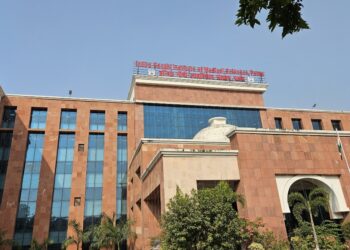
Patna: AIIMS Patna has inaugurated a six-day national capacity-building programme aimed at improving the ability of district-level health officials to respond to public health emergencies, as India continues efforts to strengthen its disaster preparedness after the Covid-19 pandemic.

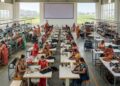
The programme, held from December 8-13, is being conducted by the institute’s Department of Hospital Administration under the Ministry of Health and Family Welfare’s Health Sector Disaster Preparedness Programme. The initiative forms part of a broader government strategy to improve patient safety, care quality and crisis readiness across India’s public health system.
Prof (Brig) Dr Raju Agarwal, executive director of AIIMS Patna, opened the event at the Research Division of the Administrative Block, stressing the importance of building resilient and well-trained district-level teams capable of responding swiftly to emergencies.


Senior faculty members, including Sanjay Pandey, head of the Department of Community and Family Medicine and acting dean (academic), Prof (Dr) Anup Kumar, medical superintendent, and Dr Sujeet Kumar Sinha, head of hospital administration and course coordinator, were present at the inauguration.
AIIMS Patna conducts four such national training cycles every financial year as part of its role in supporting the government’s long-term goal of a stronger, more resilient healthcare system able to withstand natural disasters, epidemics and other crises. Participants this year include district health officers, medical officers and public health administrators from Bihar, Assam, Uttar Pradesh and Rajasthan.

The opening day of the programme covered a wide range of topics.
Dr Sinha highlighted the need for coordinated and efficient emergency response mechanisms and underscored the relevance of the course in a post-pandemic health landscape. His session focused on the fundamentals of disaster management, along with the legal and institutional frameworks that guide emergency response in India.
Dr Ramkrishna Mondal, assistant professor in hospital administration, followed with a session on health emergency risk assessment and public health surveillance. After lunch, Dr Santosh Kumar Nirala delivered an introduction to epidemiology, while Dr Mahendra M led a practical module on outbreak investigation.
The day concluded with further discussions on surveillance systems, led by Dr Mondal, and laboratory preparedness during disasters, presented by Dr Binod Kumar Pati.