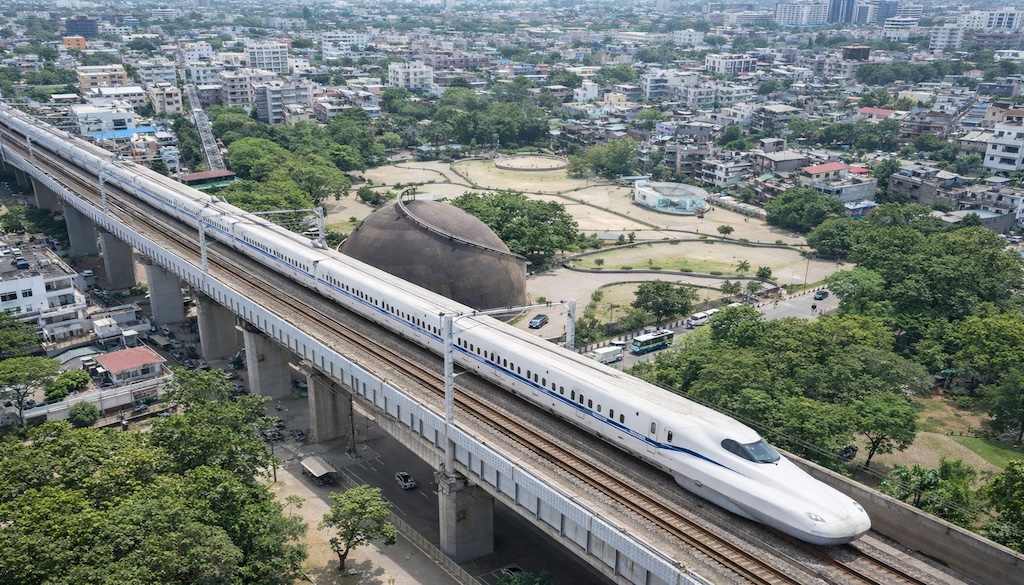
Patna: Bihar is poised for a significant infrastructure upgrade with plans for an elevated bullet train corridor running through Patna as part of the proposed Varanasi–Siliguri high-speed rail project.

Officials said around 65 kilometres of elevated track would be constructed within Patna district, passing through more than 60 villages identified for the project. Land acquisition will be undertaken where required, with authorities emphasising efforts to reduce displacement and congestion in densely populated areas.
The main bullet train station in the state capital is proposed near AIIMS, Phulwarisharif. Planners are also examining the feasibility of elevated sections around AIIMS, Phulwarisharif and Patliputra stations, reflecting the limited availability of land and heavy traffic within the city. Keeping most of the alignment elevated, officials said, would help protect existing roads and urban infrastructure.

Environmental considerations are being built into the project. Around 3,885 trees in Patna district fall along the proposed alignment and may obstruct construction. Instead of felling them, authorities are preparing plans for transplantation, with the process of seeking a no-objection certificate from the forest department expected to begin shortly.
The Patna stretch alone will require about 138 hectares of land. Beyond the capital, villages have been identified along the proposed route in Buxar, Bhojpur, Mokama, Kiul, Jamalpur and Sultanganj, indicating the scale of the project across central and eastern Bihar.
The Varanasi–Siliguri bullet train was earlier announced by Union minister Ashwini Vaishnaw, with confirmed stops in Patna and Katihar. Designed to operate at speeds of up to 350 km per hour, the service is expected to cover the full distance in about two hours and 55 minutes.
Officials said the corridor would dramatically cut travel time while offering direct high-speed connectivity to north Bihar and the Seemanchal region. Beyond faster journeys, the project is being projected as a catalyst for economic growth, industrial expansion and tourism, marking what the state government has described as a turning point in Bihar’s transport infrastructure.