Patna: Bihar’s chief secretary has pledged “zero tolerance” against drugs, calling for tighter coordination between agencies, expanded use of satellite surveillance and stronger legal action to curb trafficking and illicit cultivation across the state.

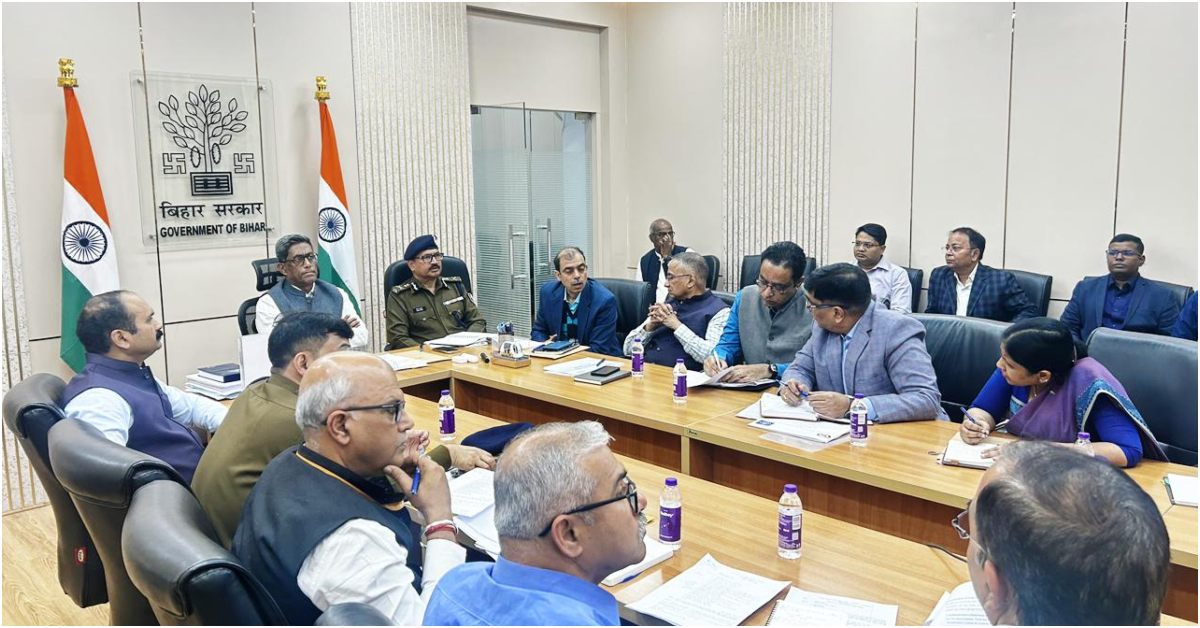
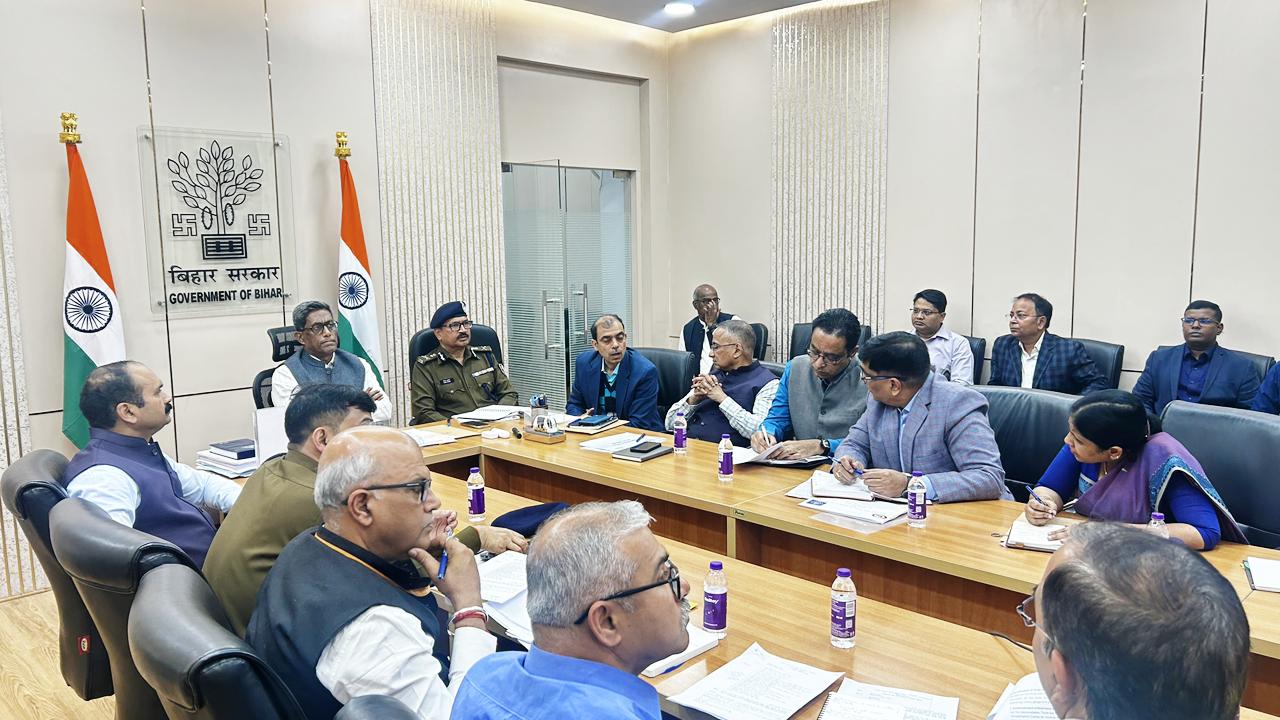
The commitments were made at the ninth apex-level meeting of the State-Level NCORD (Narco Coordination Centre), held on Monday at the secretariat in Patna and chaired by chief secretary Pratyay Amrit. Senior officials reviewed progress since the previous meeting in July 2024 and outlined a series of measures aimed at strengthening enforcement and rehabilitation efforts.
Opening the session, the home department presented an assessment of the current drug situation in Bihar and reported on compliance with earlier decisions. Amrit directed that NCORD meetings be held quarterly at the state level and monthly in districts, instructing district magistrates to upload reports and proceedings promptly to the NCORD portal to ensure accountability.

Officials reviewed action taken since the last apex meeting on July 1, 2024 with a particular focus on inter-agency coordination and follow-up enforcement. The chief secretary emphasised the use of technology to identify and eradicate illegal cultivation of opium and cannabis. Authorities were asked to use satellite data from the Bhaskaracharya National Institute for Space Applications and Geo-Informatics (BISAG) and the Advanced Data Processing Research Institute (ADRIN) to detect and destroy illicit crops in a timely manner.
The meeting also highlighted the need to strengthen the capacity of state-level Drug Law Enforcement Agencies to identify and dismantle organised drug networks. Training, intelligence-sharing and coordinated field operations were discussed as priorities.
In a move to expand public outreach, officials agreed to launch a comprehensive awareness campaign on de-addiction in partnership with leading spiritual organisations. Memorandums of understanding are to be signed to formalise cooperation, with the aim of addressing substance abuse through community engagement.
Legal measures were also on the agenda. In line with directives from the Ministry of Home Affairs, the state discussed the establishment of special courts under the Narcotic Drugs and Psychotropic Substances (NDPS) Act and enhancing the use of video conferencing to present evidence during trials, in an effort to expedite prosecutions.
Rehabilitation featured prominently in the deliberations. The chief secretary stressed the need to establish and effectively operate de-addiction, rehabilitation and counselling centres in every district, framing enforcement and recovery as complementary aspects of the state’s anti-drug strategy.
The meeting further agreed on the deputation of Bihar Police personnel to provide security at the Narcotics Control Bureau’s office in the state.
Concluding the session, Amrit reiterated that the government remained committed to a policy of “zero tolerance” against drug trafficking, saying the campaign’s success would depend on stronger policy coordination and active cooperation from stakeholders at the grassroots level.