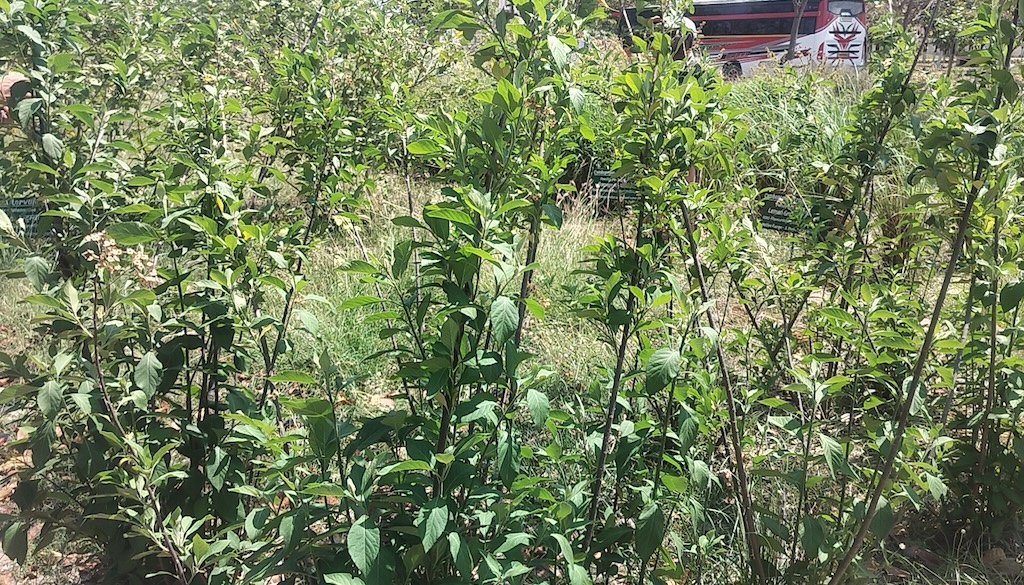
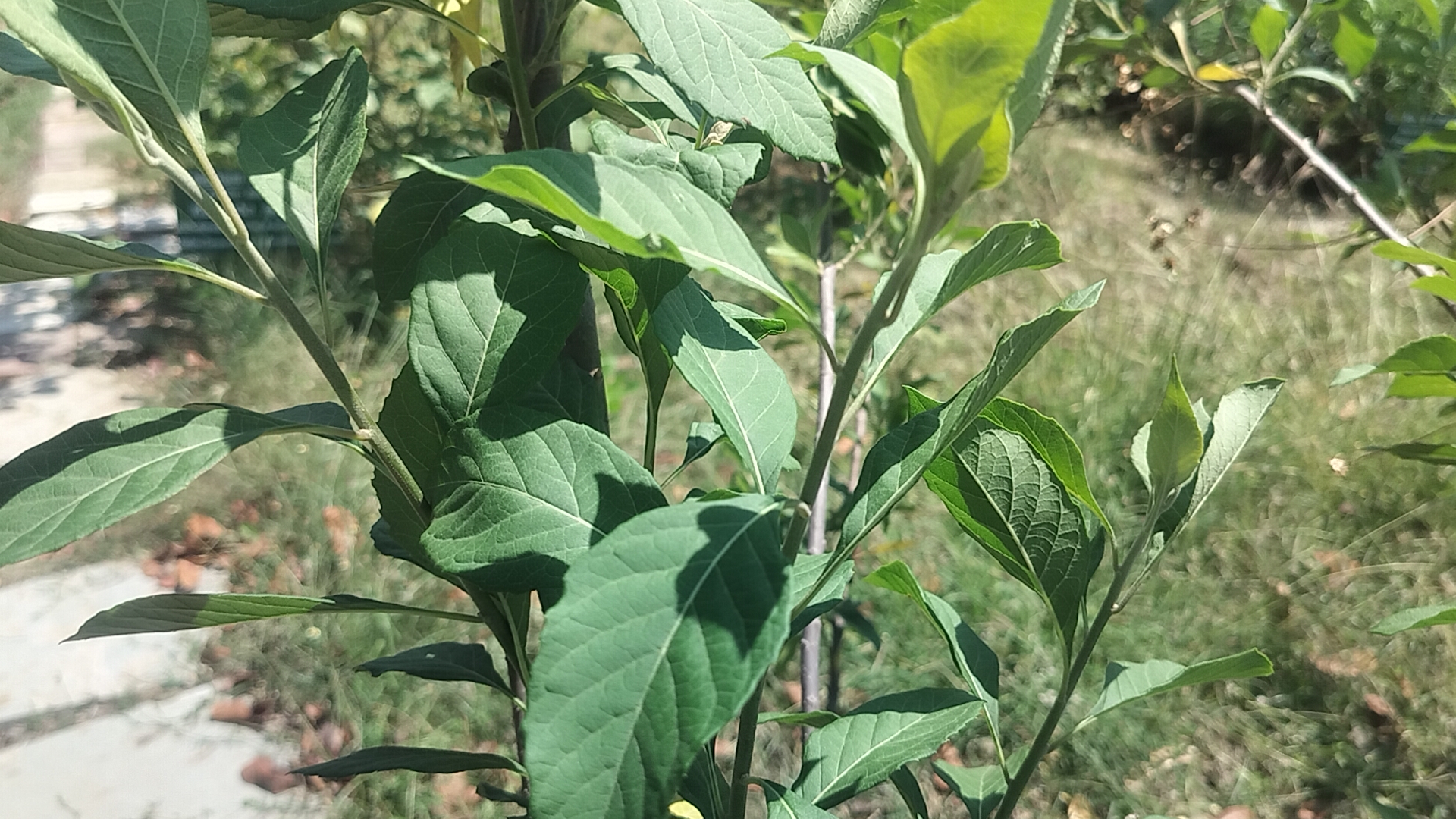
Gaya: A medicinal plant known as Gudmar (Gymnema sylvestre), found on Brahmayoni Hill, has drawn renewed attention from researchers and practitioners of traditional medicine for its potential role in managing diabetes.

The plant, long used in Ayurvedic practices, is found in significant numbers on the hill, which is known both for its religious importance and its biodiversity.
Research Confirms Presence

A 2024 study conducted by researchers from Magadh University confirmed that Gudmar continues to grow in abundance on Brahmayoni Hill.
The study, published in the International Journal of Creative Research Thoughts, identified Gymnema sylvestre as one of several medicinal plants in the area with potential therapeutic value.
Traditional Knowledge And Usage
Local priests and residents say the hill has been home to medicinal plants for centuries.
Devanandan Baba, a temple priest, said people with knowledge of herbs have long identified and used such plants for various ailments. He claimed that Gudmar has been traditionally consumed to help manage symptoms associated with diabetes.
Scientific Perspective
Experts say the plant contains compounds such as gymnemic acids, flavonoids and saponins, which are believed to influence blood sugar regulation and metabolism.
Dr Hemant Kumar, assistant professor at Central University of South Bihar, said the leaves of Gudmar can temporarily suppress the perception of sweetness and may help reduce sugar cravings.
He added that the plant has been used in Ayurvedic medicine for centuries and is considered beneficial in managing metabolic conditions.
Use In Modern Medicine
The Council of Scientific and Industrial Research (CSIR) has incorporated Gudmar as one of the components in its anti-diabetic formulation BGR-34.
A 2022 study by All India Institute of Medical Sciences (AIIMS) reported that the formulation showed effectiveness in controlling blood sugar levels and improving metabolic health.
Caution And Need For Research
Despite its traditional use, medical experts caution that herbal remedies should not replace prescribed treatment without consultation.
Researchers have called for further scientific studies to better understand the plant’s efficacy, dosage and long-term effects.
In addition to its potential role in diabetes management, Gudmar is also believed to help regulate blood pressure and cholesterol levels, and may support digestive health.
Cultural And Ecological Significance
Brahmayoni Hill, one of the prominent religious sites in Gaya, is also emerging as a location of interest for botanical and medicinal research.
Authorities and researchers say preserving such natural resources could play a role in advancing both traditional knowledge and modern scientific inquiry.
Understanding Diabetes
Diabetes, a chronic metabolic condition, affects how the body processes blood sugar. Early symptoms include excessive thirst, frequent urination, fatigue and slow wound healing.
Experts emphasise early diagnosis and a combination of medical treatment, lifestyle changes and, where appropriate, supervised use of traditional remedies for effective management.