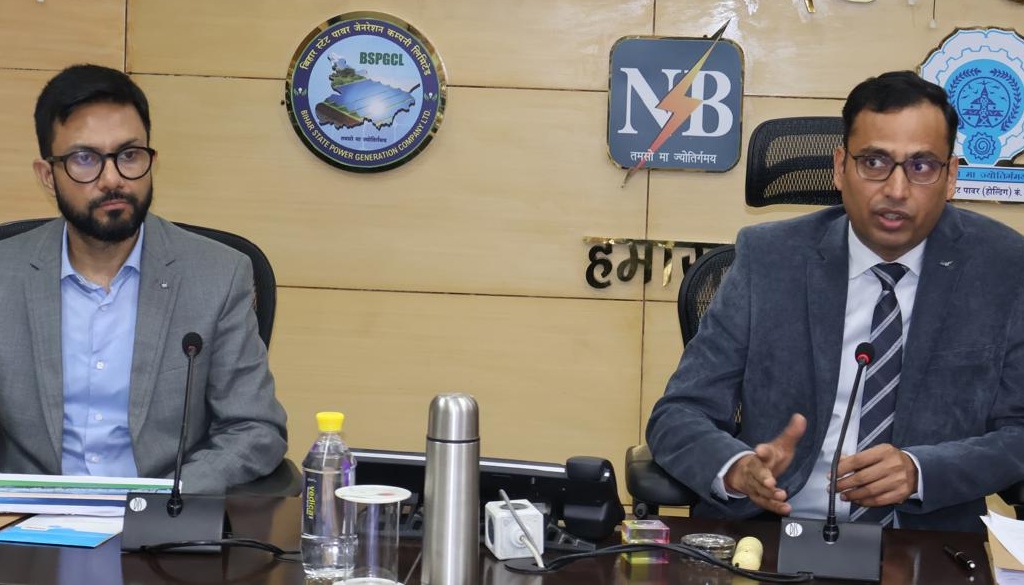
Patna: Officials of Bihar energy department ad its companies, including the DISCOMS, have been instructed to step up maintenance, strengthen consumer services and take tougher action against electricity theft as the state prepares for a surge in summer demand. The directions were issued during a high-level review meeting chaired by the energy secretary on Saturday.

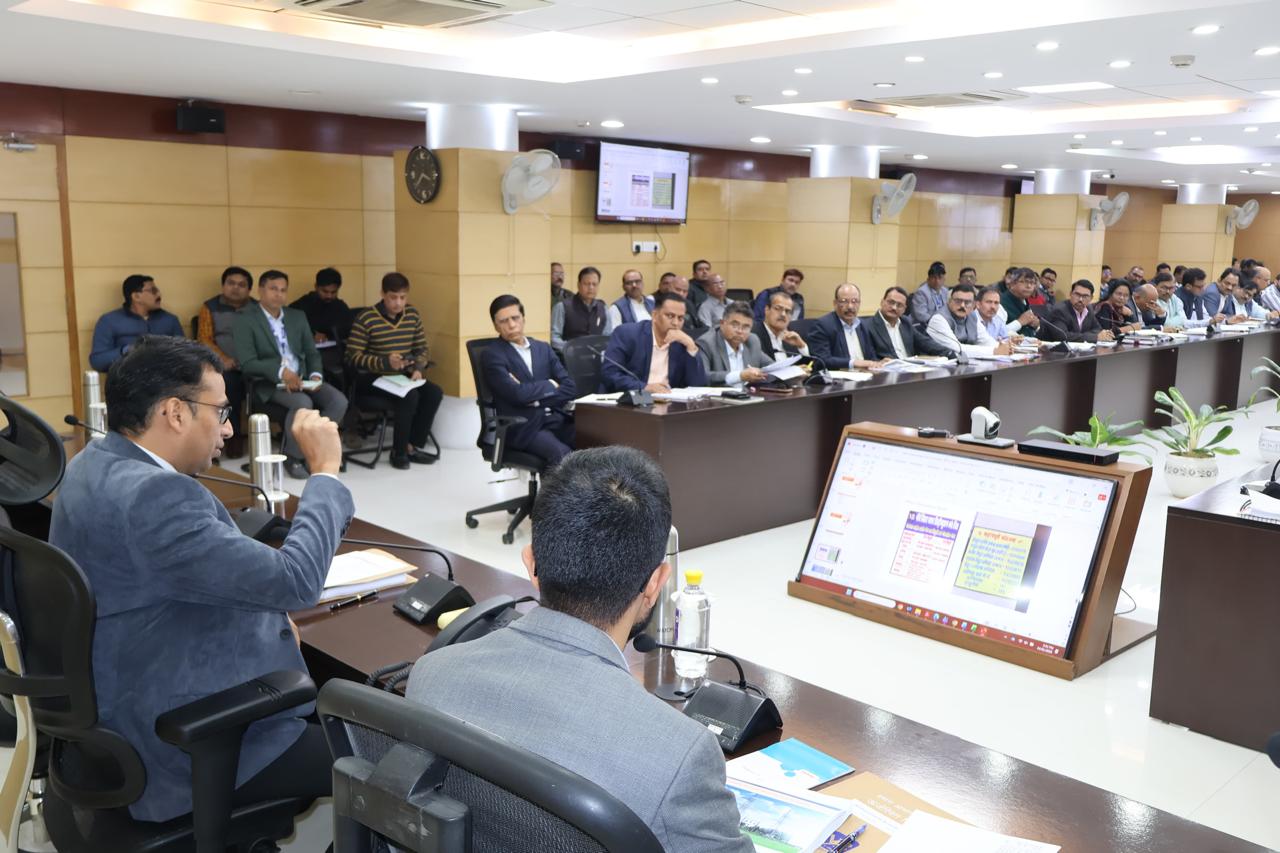
The meeting, held in Patna, was led by Manoj Kumar Singh, the Energy Secretary and Chairman-cum-Managing Director of Bihar State Power Holding Company Limited (BSPHCL). He reviewed the performance, operations and progress of ongoing schemes and projects across BSPHCL and its subsidiary companies, with a focus on reliability and timely execution.

Officials discussed issues ranging from the quality of works and system stability to the services being delivered to consumers. Singh emphasised transparency, accountability and efficiency, calling on senior management to closely monitor progress. The meeting was attended by top executives, including Rahul Kumar, managing director of North Bihar Power Distribution Company Limited and Bihar State Power Transmission Company Limited.
To prevent outages during the summer months, the energy secretary directed that all grid and power substations follow standard operating procedures strictly. Regular inspections, checklist-based monitoring and mandatory use of safety gear were stressed, with worker safety described as a priority. He asked officials to complete maintenance and necessary repairs of distribution transformers, feeders and other infrastructure by March 31, 2026.
Consumer grievance redressal also featured prominently. Singh ordered that fuse call centre contact numbers be printed on electricity bills, allowing consumers to directly reach local officials during faults. He also called for the creation of a centralised online portal where complaints can be logged, tracked through a unique ID and updated in real time.
The review highlighted the need to curb power theft and improve revenue collection. Officials were told to analyse smart meter data to design targeted enforcement strategies and to reduce technical losses in distribution networks. The meeting concluded with a push for regular training of staff to build a skilled workforce capable of adopting new technologies and improving overall service delivery.