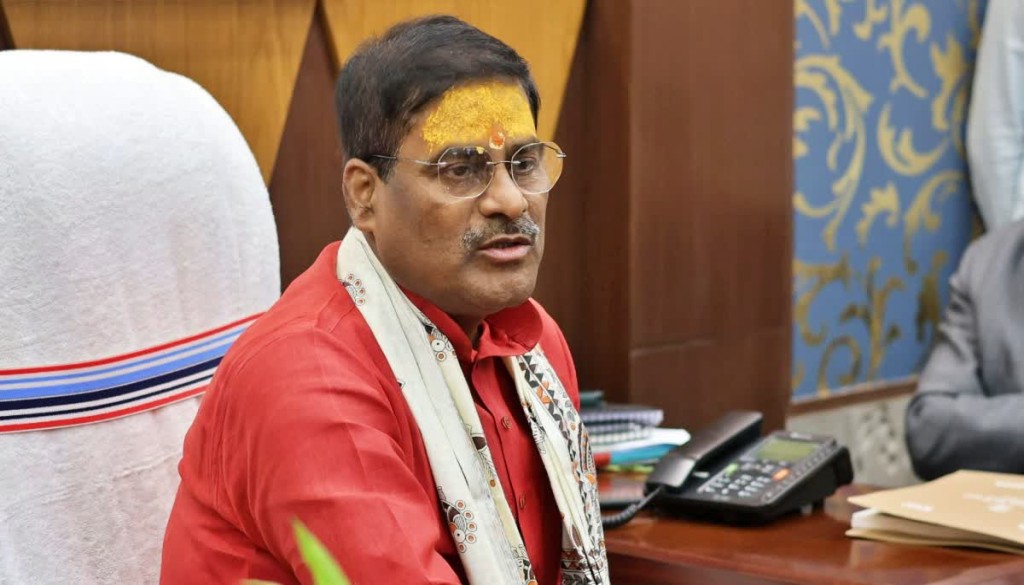
Patna: State Mines and Geology Minister Pramod Kumar on Tuesday said rare mineral deposits had been identified in different parts of the state and that the process for commercial mining would begin soon.

The minister said the Union government had identified 14 blocks containing critical and rare minerals, with auctions expected to begin shortly. The minerals include palladium, titanium, glauconite, cobalt and other strategic resources.
According to Kumar, cobalt deposits have been found in Banka district and are expected to be put up for auction soon.

Rare earth element indications in Bhagalpur
The minister said significant indications of rare earth elements (REE) had been found in the Bateshwarsthan area of Bhagalpur district. Possibilities of chromite reserves in the district have also been identified.
Rare earth elements are a group of 17 metallic elements used in defence and advanced technology sectors, including missiles, radar systems, fighter aircraft, drones and military communication equipment. They are also used in electric vehicles, smartphones, laptops, television screens and storage devices.
Kumar said these elements are relatively abundant in the earth’s crust, but economically viable concentrated deposits are less common.
The REE group includes lanthanum, cerium, neodymium, samarium, europium and tyttrium, among others.
Auction process likely after May 20
The minister said the Centre was preparing to auction a mining block containing vanadium-bearing magnetite and ilmenite in Nawada district, along with three glauconite blocks in Rohtas district.
Public sector undertaking Metal Scrap Trade Corporation (MSTC) has invited bids for the blocks, and the auction process is expected to begin after May 20.
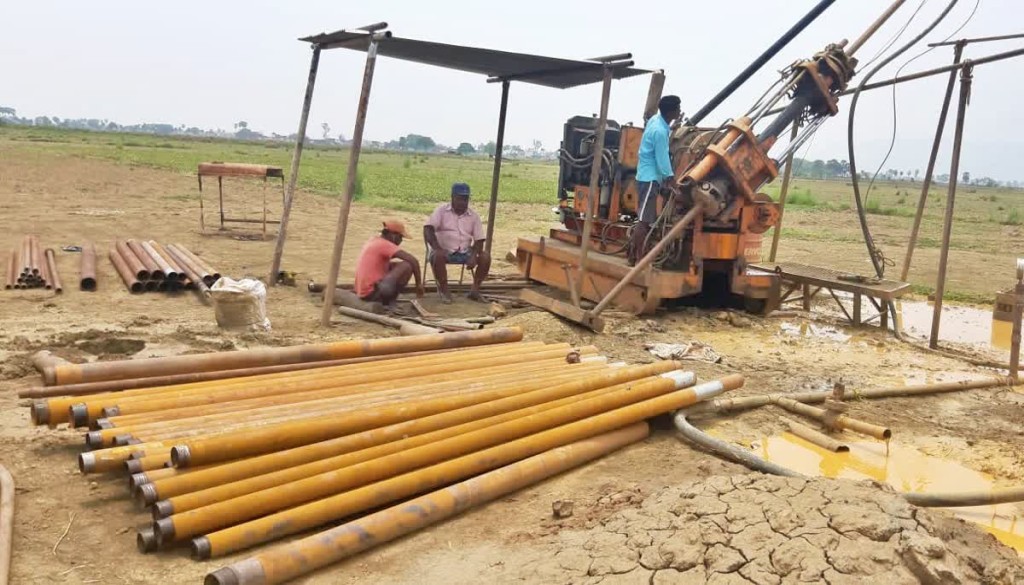
Kumar added that extensive mineral exploration activities were under way in southern Bihar, particularly in areas bordering Jharkhand. These include aerial surveys, satellite imaging, analysis of older geological data and ground-level studies.
Gold reserve surveys continue in Jamui
The minister also said indications of gold reserves had been found in the Sono region of Jamui district, where surveys are ongoing and reports are awaited.
In Banka district’s Pindarakh area, copper deposits have been identified and studies are being conducted to assess the feasibility of mining operations.
The possibility of gold reserves in Jamui had earlier been highlighted in a Geological Survey of India (GSI) report in 2021, which suggested that nearly 44% of the country’s gold resources could be located in the Sono and Karmatia areas.
During the winter session of Parliament in 2021, then Union minister for mines, coal and parliamentary affairs Pralhad Joshi referred to the findings in response to a question in the Lok Sabha.
Local history linked to gold discoveries
According to local residents, reports of gold traces in the Karmatia hills first emerged in 1981, when villagers allegedly found shiny stone fragments while digging soil near the area. The stones were later cleaned in a nearby river and sold in local markets.
Following growing speculation about the presence of gold, the Union government declared the area protected in 1982 and imposed restrictions on excavation activities.