Patna: The Bihar government has pledged to intensify efforts to eliminate child labour, with the state’s deputy chief minister, Samrat Choudhary, calling the practice “a curse on society” and urging a collective commitment to ensure that every child is in school.

Speaking at a one-day state-level workshop in Patna on Thursday, Choudhary said thousands of children were still being forced into work despite clear legal prohibitions. “Children must be identified first as students, not as labourers,” he said, appealing to public representatives, officials, non-governmental organisations and citizens to work together towards a child labour–free Bihar.
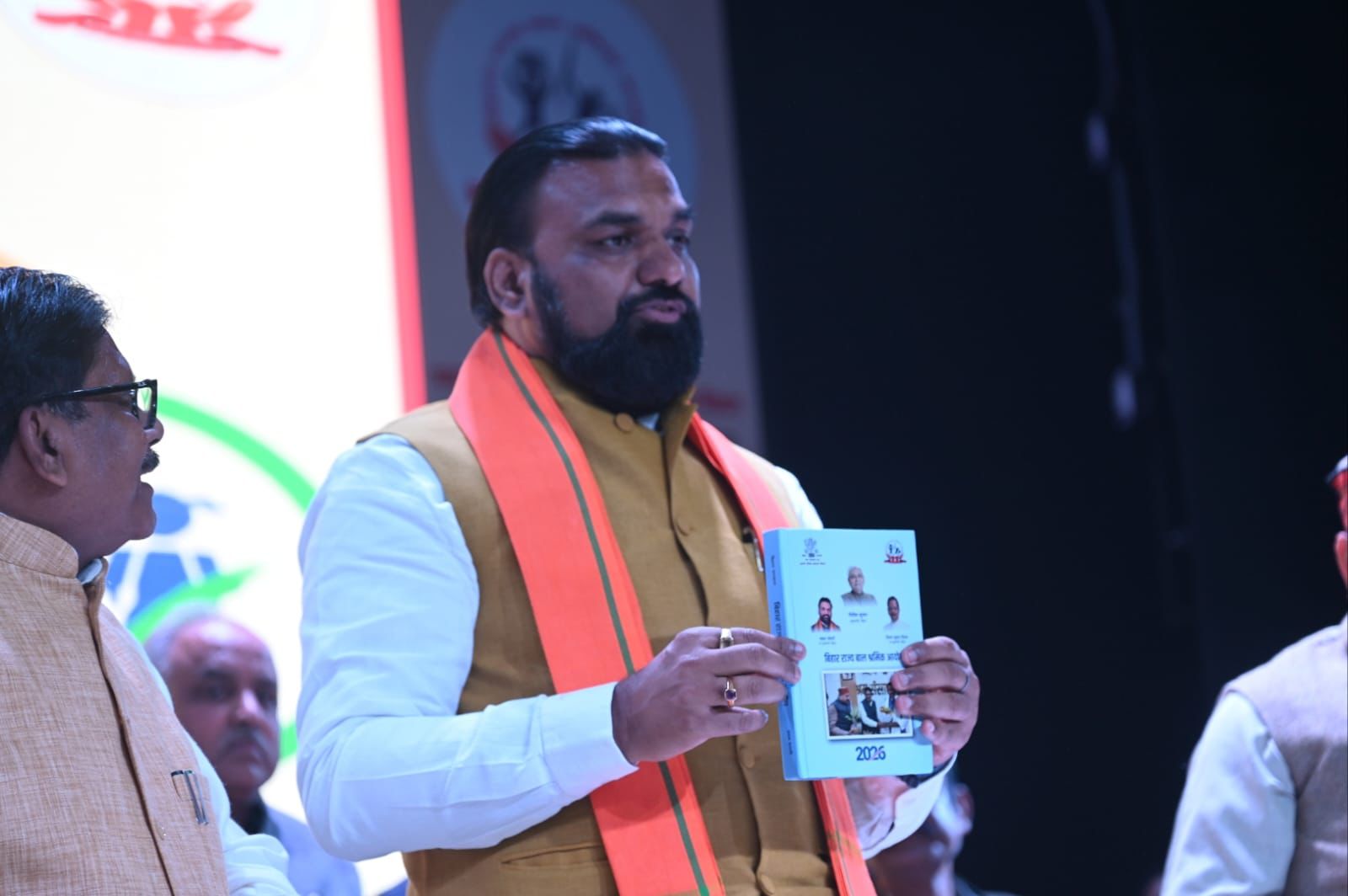

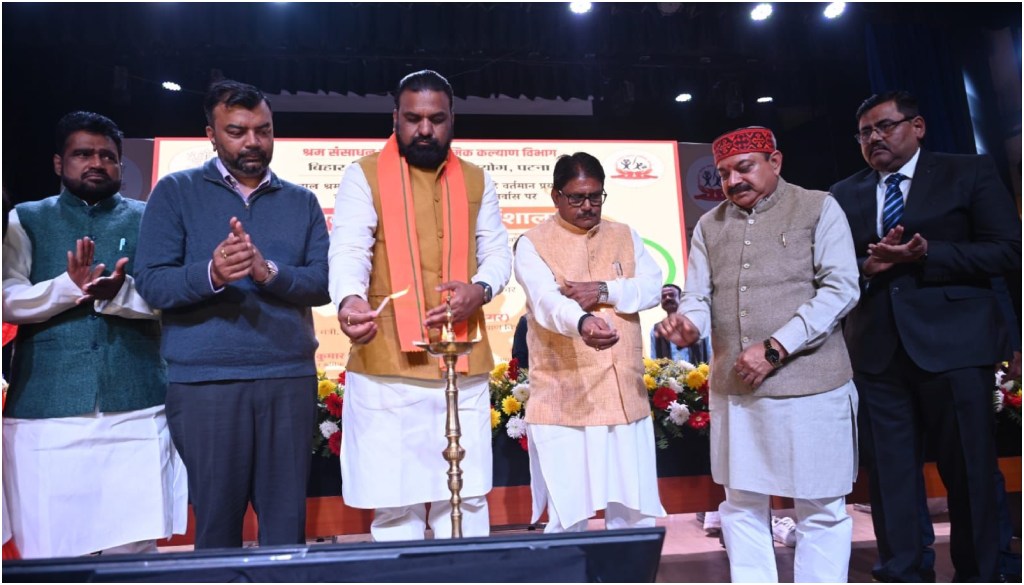
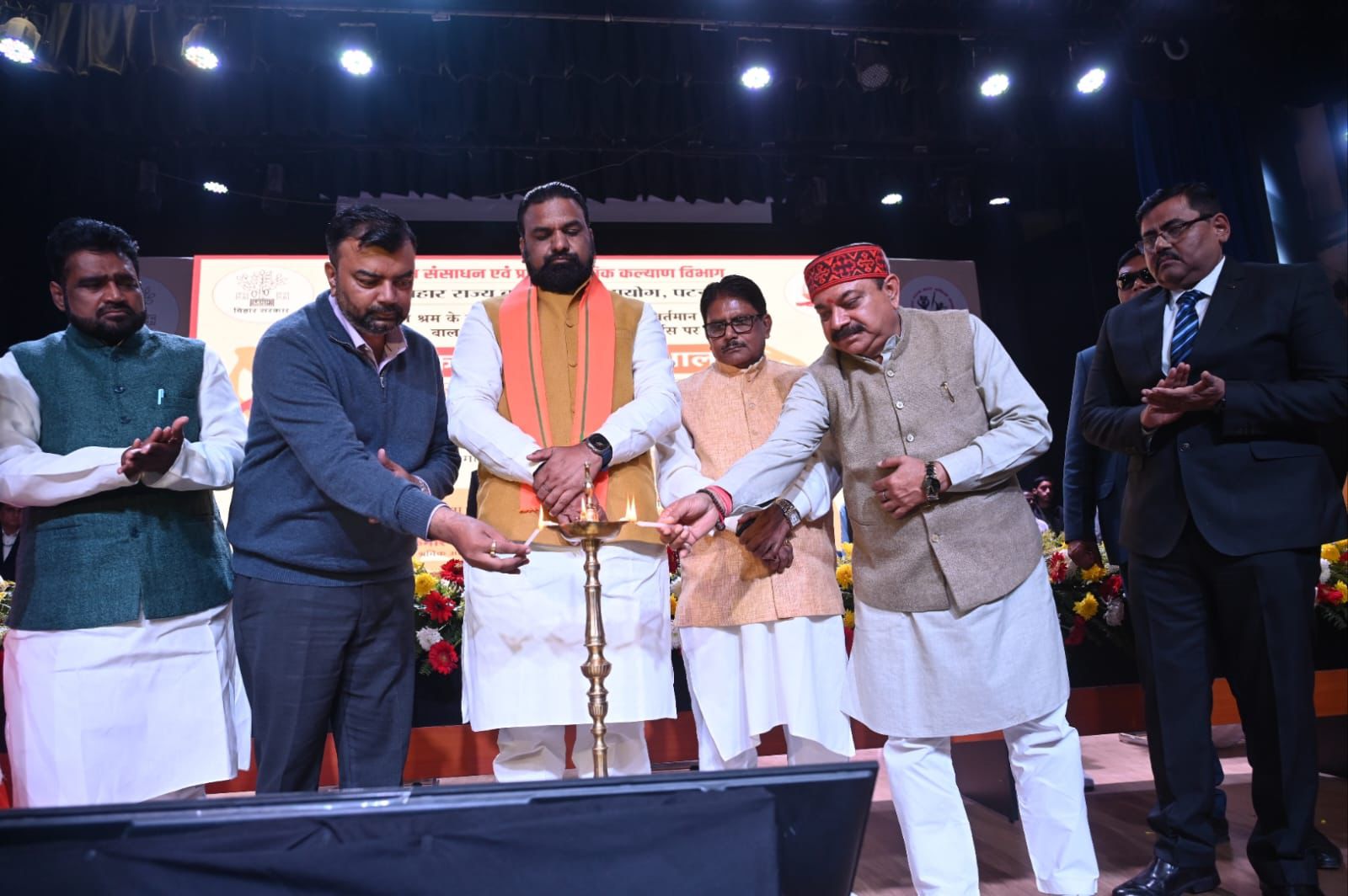
The workshop, organised by the Bihar State Child Labour Commission at the Dashrath Manjhi Institute of Labour and Employment Studies, brought together officials from the labour, education, social welfare and Panchayati Raj departments, along with legal experts and civil society groups. Representatives from Odisha, Assam and Maharashtra also shared experiences and models from their states.
Choudhary highlighted what he described as significant improvements in Bihar’s education infrastructure, including the expansion of high schools to almost every panchayat, greater access to intermediate education, and plans to open new degree colleges in underserved areas. He also pointed to the growth of technical and vocational institutions, including ITIs, women’s ITIs, and nursing and paramedical colleges across all subdivisions.
“The most vulnerable to child labour are children from poor families, who often remain unaware of their own potential,” he said. “It is our responsibility to connect them with education and opportunity.”
According to the state government, enforcement and awareness measures have led to a notable decline in the number of child labourers rescued. Deepak Anand, secretary of the department of labour resources and migrant workers’ welfare, said rescues had fallen from 1,213 children in 2024–25 to 581 so far in 2025–26. While welcoming the reduction, he said the government’s goal remained “zero child labour”.
Ashok Kumar Badal, chair of the Bihar State Child Labour Commission, said the vision of a developed India would remain incomplete until every child was able to study, play and pursue their aspirations. He said task forces had been formed at district, block and panchayat levels to identify, rescue and rehabilitate child and adolescent labourers, alongside public awareness campaigns using street plays, media and workshops.
The commission’s vice-chair, Arvind Kumar Singh, said poverty and illiteracy continued to fuel the practice, even though employing children under 14 is a criminal offence. He stressed the importance of sustained monitoring and family support to prevent rescued children from returning to work.
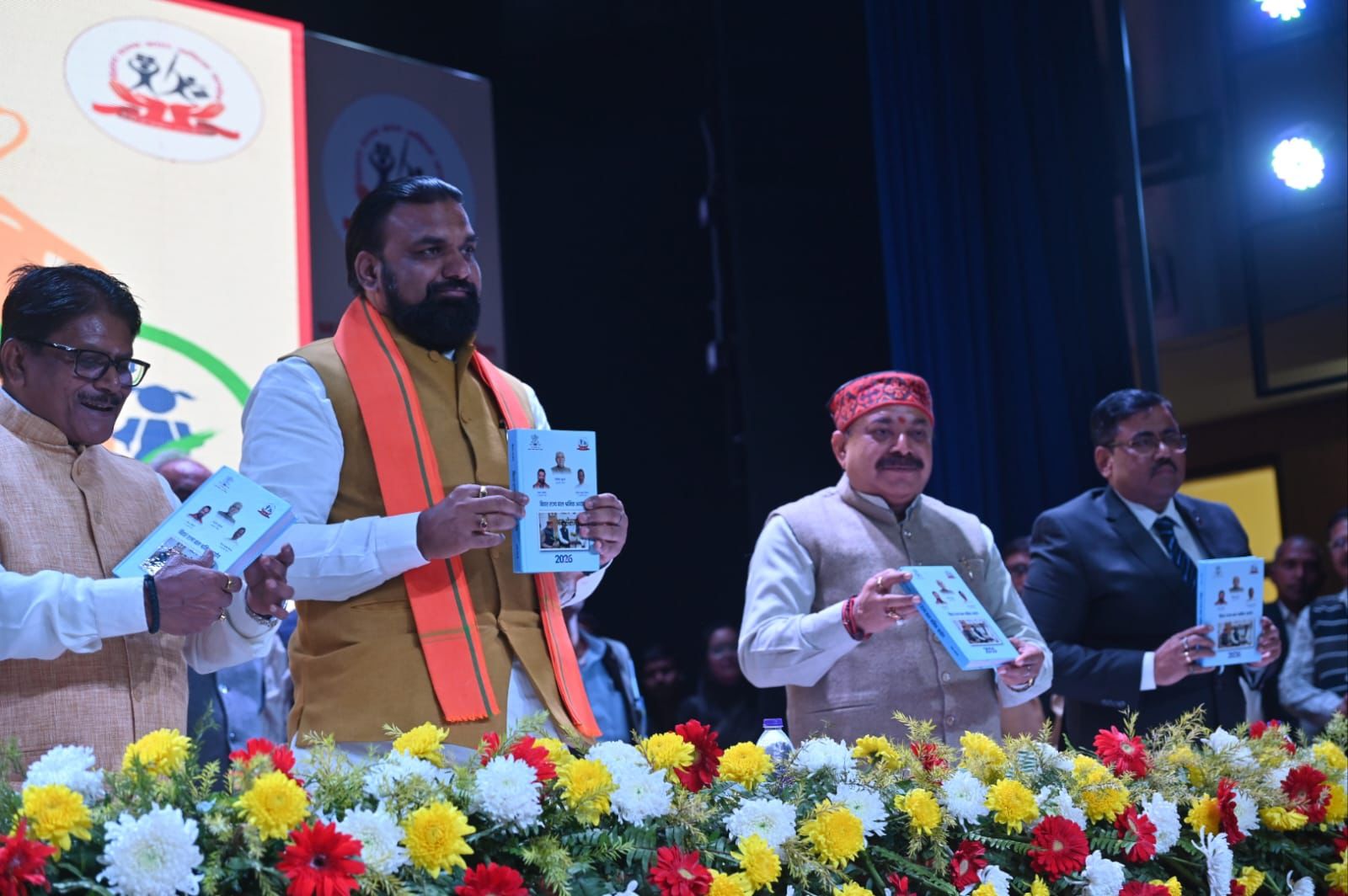
The workshop featured multiple sessions on prevention strategies, rehabilitation and inter-departmental coordination. Academics from the V.V. Giri National Labour Institute and Chanakya National Law University addressed legal frameworks and the role of different stakeholders, while civil society organisations shared successful rehabilitation models. The event concluded with the presentation of findings and a renewed call to turn the eradication of child labour into a mass movement across Bihar.