Patna: As millions of devotees across India is ready to celebrate Ganesh Chaturthi, religious leaders and devotees alike emphasise the symbolic offerings that form an essential part of the festival’s rituals.

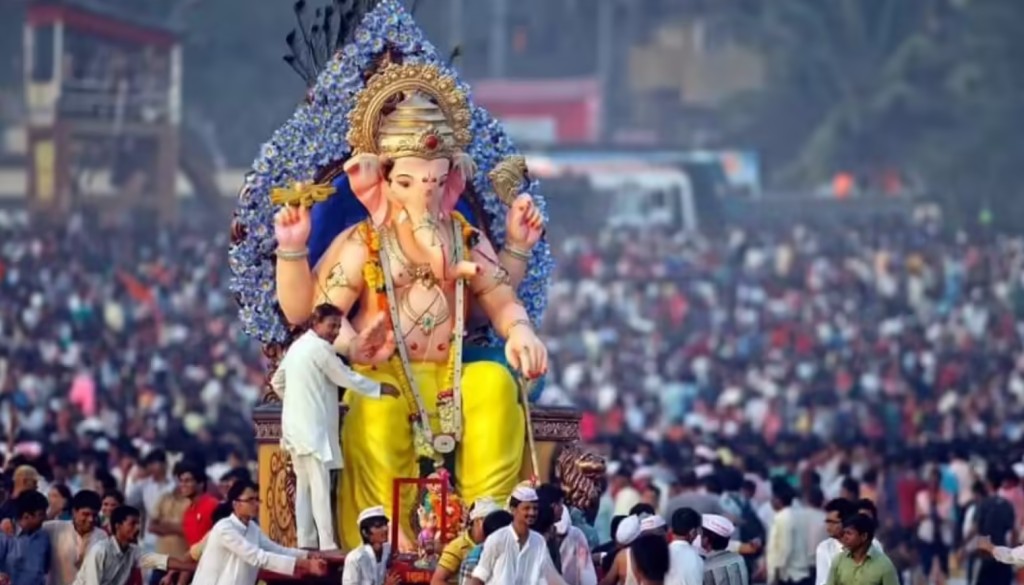
Ganesh Chaturthi, observed on the fourth day of the waxing moon in the Hindu month of Bhadrapada, marks the birth of Lord Ganesha, the elephant-headed deity revered as the remover of obstacles and bringer of prosperity. The festival, which lasts for 10 days, is one of the most widely celebrated events in the Hindu calendar, drawing large gatherings in homes and public pandals.
Hindu tradition maintains that certain offerings are indispensable to the puja, or worship, of Ganesha. Five in particular are regarded as essential:

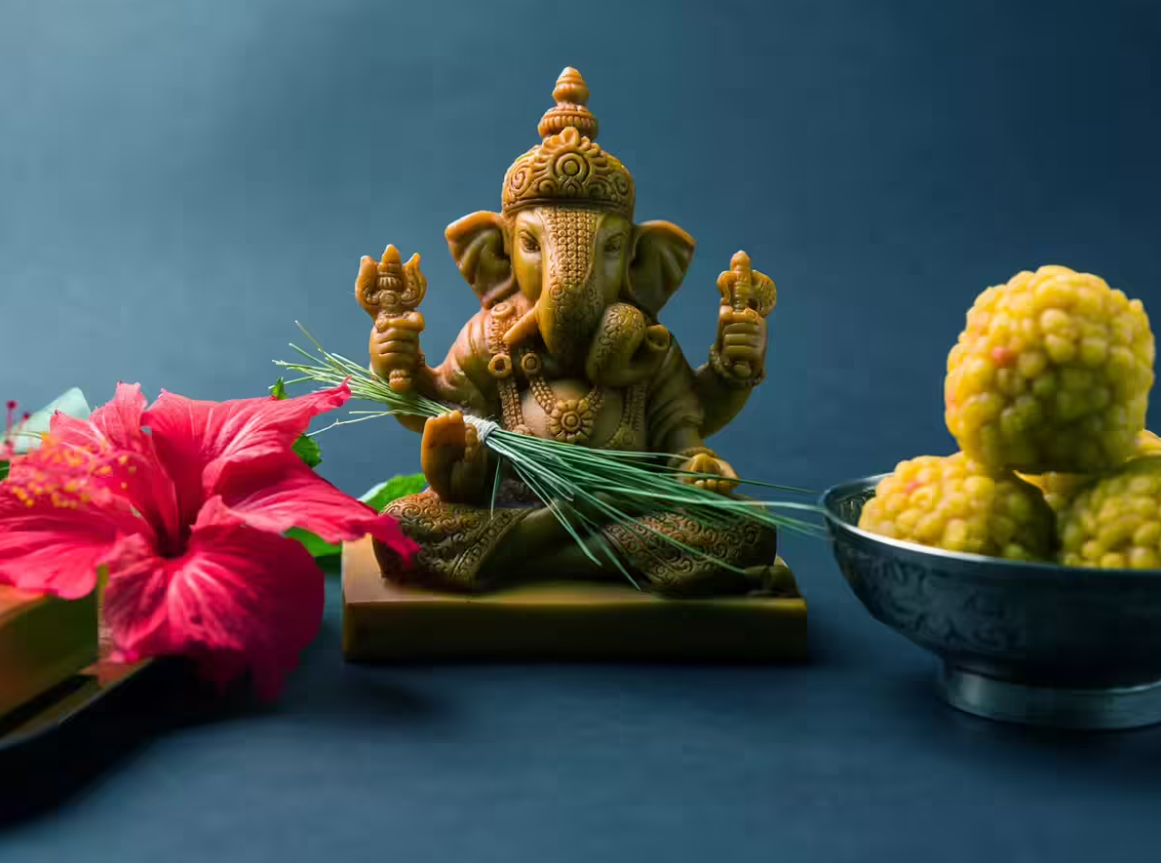
- Durva (Grass): Known as one of Ganesha’s favourites, devotees traditionally present 21 blades of durva tied with red thread. Offering the grass is believed to invite blessings and remove misfortune.
- Sindoor (vermillion): Applied to the idol during the rituals, sindoor is associated with auspiciousness. Devotees believe it ensures protection from negativity and brings good fortune.
- Akshat (unbroken rice grains): Considered pure and sacred, unbroken grains symbolise abundance and long life. Worshippers often chant mantras while presenting akshat.
- Modak: The sweet dumpling, regarded as Ganesha’s most cherished delicacy, is offered and later distributed as prasad. In its absence, motichoor laddus are also considered appropriate.
- Flowers, especially hibiscus and marigold: Both are closely linked with Ganesha’s worship. Red hibiscus is believed to bring career success, while marigold is associated with happiness and prosperity.
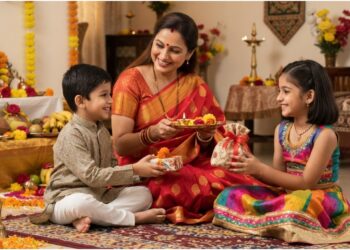
While the festival is celebrated with grand processions in cities such as Mumbai, Pune and Hyderabad, many households mark the occasion with intimate family pujas, centred on these offerings. Religious scholars note that such traditions not only hold devotional value but also reinforce cultural continuity across generations.